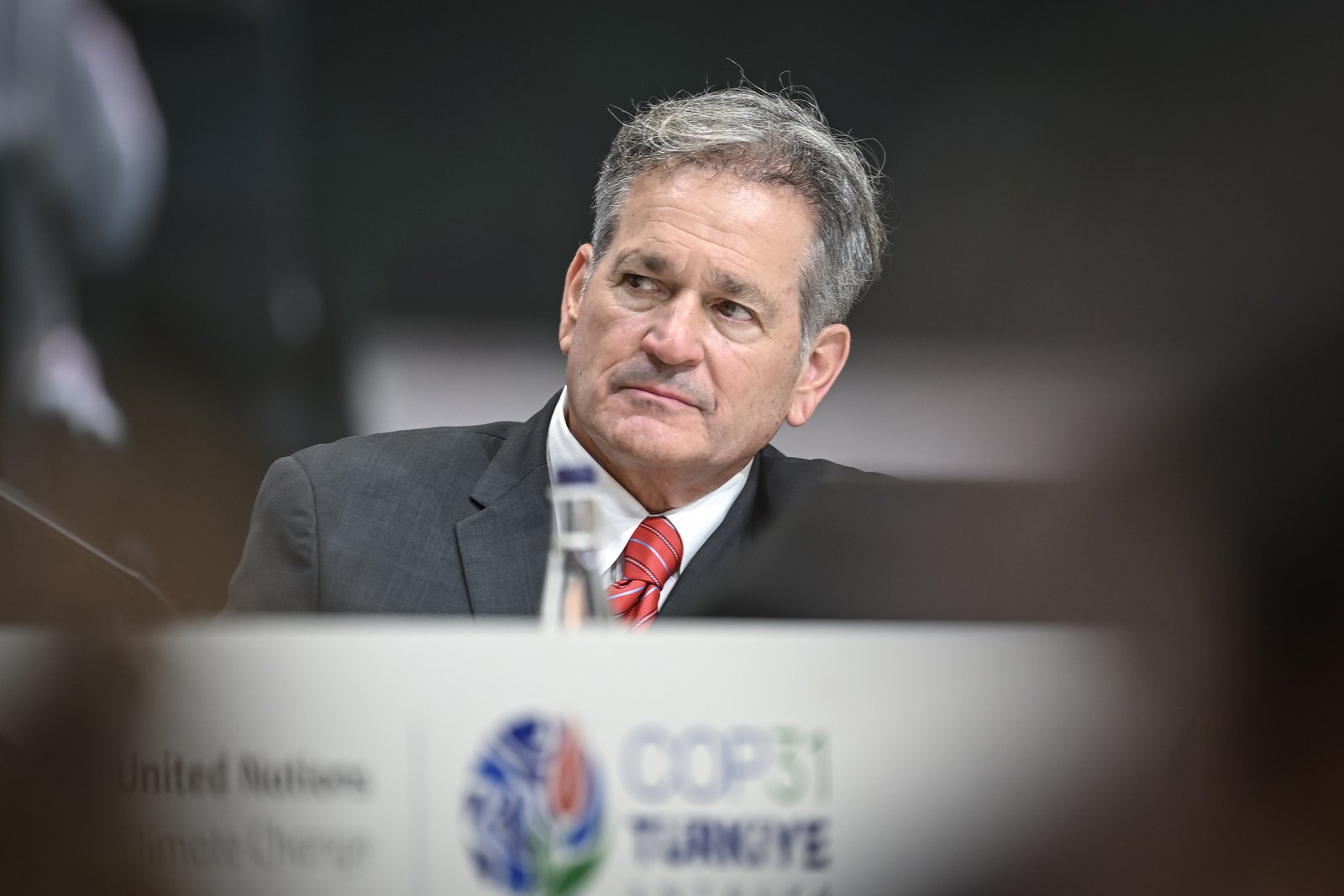









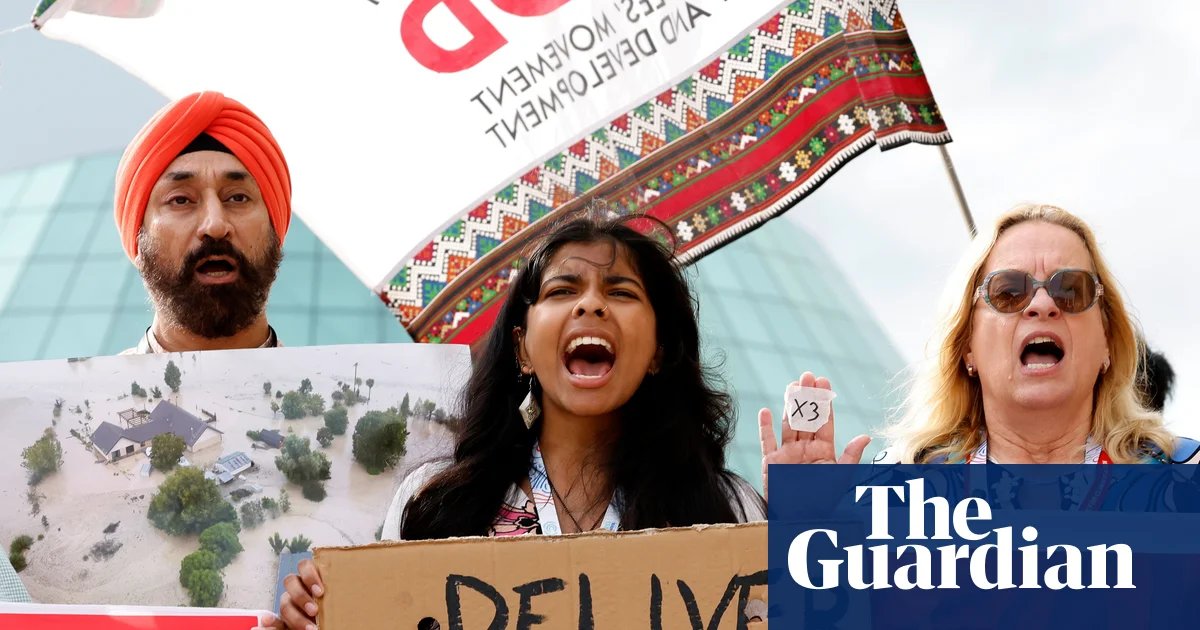
As the 31st UN climate summit in Antalya draws to its scheduled close, the atmosphere among delegates remains as volatile as the warming planet they are attempting to regulate. While the official agenda is slated to conclude tomorrow, participants are bracing for the customary overrun of negotiations, as a final agreement remains elusive amid profound disagreements over the global energy transition.
The conference has been defined by a stark divide between wealthy petrostates continuing to expand fossil fuel infrastructure and vulnerable nations facing an existential threat from rising sea levels. At the center of the debate is the looming “overshoot” of the 1.5C (2.7F) global temperature target. Climate scientists and world leaders increasingly acknowledge that this threshold will be surpassed, sparking intense friction over whether this failure represents a manageable transition or a catastrophic breach of the Paris Agreement.
Hilda Heine, president of the Marshall Islands, delivered a sobering assessment during the leaders’ summit, warning that the response to crossing the 1.5C mark must be “overwhelming.” For small island nations, even a temporary exceedance of the target carries severe, irreversible consequences in the form of accelerated sea-level rise. This sentiment was echoed by Mia Mottley, the prime minister of Barbados, who framed the overshoot not as a flexible target, but as a “debt of heat” borrowed from future generations.
The path to mitigating this debt is clear in scientific terms: an immediate and rapid phase-out of coal, oil, and gas. However, diplomatic progress on this front has been sluggish. Although the term “fossil fuels” has appeared in draft texts, observers are increasingly skeptical that the co-hosts—Turkey and Australia—can secure a final deal that includes substantive commitments to end their extraction. The influence of the fossil fuel industry was sharply criticized by Panama’s environment minister, Juan Carlos Navarro, who described the global diplomatic community as being “held hostage by the petroleum mafia,” noting that many nations have become so dependent on these industries that they are unable to pivot despite the long-term cost.
Amid the gridlock, the push to electrify the global economy has emerged as the most significant area of potential consensus. A proposed pledge to source 35% of the world’s final energy consumption from electricity by 2035 is gaining momentum, with several nations signaling support. Supporters of the measure argue that electrification provides a pragmatic pathway to decarbonization that is easier to sell to domestic constituents than direct taxation on polluters.
However, the efficacy of this transition remains under scrutiny. Debate persists over how “clean” that electricity must be; critics worry that a lack of specificity will allow nations to classify new gas-fired power plants as part of the green transition. EU climate commissioner Wopke Hoekstra signaled a willingness to prioritize broad adoption over stringent standards, suggesting that a degree of “pragmatism” might be necessary to bring hesitant countries into the fold.
As the talks head into the final hours, the core issues remain unresolved: who should bear the financial burden of the transition, how to ensure fairness for developing economies, and how to reconcile underlying climate science with political reality. Whether the summit results in a meaningful commitment or a diluted compromise will determine the world’s trajectory in the coming years. For now, diplomats continue to argue against a backdrop of mounting urgency, attempting to finalize a text that can satisfy the competing interests of a global economy at a crossroads.
Disclaimer: This content is auto-generated for informational purposes only.
Source: Read Original News