







Geopolitical Tensions and Domestic Shifts: A Sunday of High-Stakes Diplomacy
The global political landscape witnessed a flurry of activity this Sunday, November 22, 2026, as nations grappled with internal governance challenges, border security, and long-standing international disputes. From the high-altitude frontier of Arunachal Pradesh to the diplomatic corridors of New Delhi and the volatile politics of the Middle East, the day proved consequential for regional stability.
Border Security and Diplomatic Outreach
In India, the focus remained squarely on the Line of Actual Control (LAC) in Arunachal Pradesh. Military officials from India and China concluded a significant 10-day dialogue aimed at de-escalating tensions. These Corps Commander-level discussions sought to establish concrete mechanisms to prevent troop friction as winter conditions descend upon the high-altitude terrain.
Simultaneously, Union Home Minister Amit Shah underscored the Centre’s commitment to border security through socio-economic development. During a visit to the region, Shah highlighted the success of the Vibrant Villages Programme, noting that the infrastructure boost has sparked reverse migration, with residents returning to approximately 40 villages situated along the international border.
Diplomacy also took center stage in the national capital as Nepal’s Prime Minister, Balendra Shah, touched down in New Delhi for his inaugural official visit to India. The visit is set to bolster bilateral ties, with high-level discussions with Prime Minister Narendra Modi and the inauguration of several collaborative infrastructure projects scheduled for the coming week.
Political Deadlocks and Global Friction
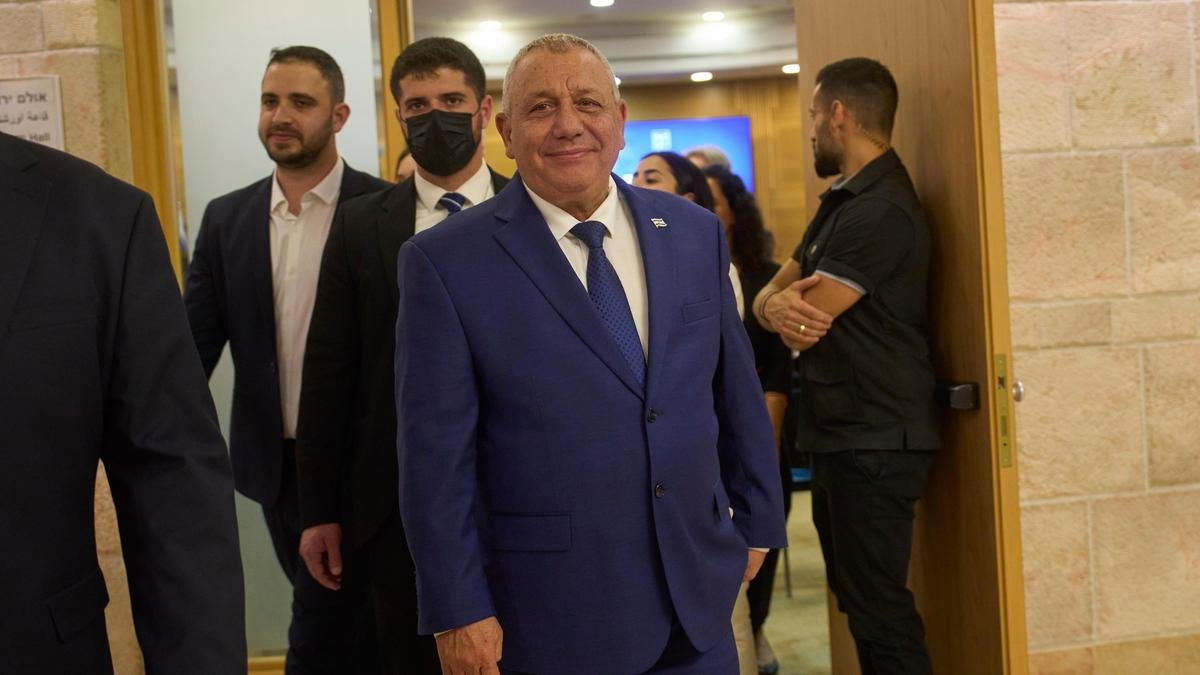
The international arena faced significant setbacks, particularly in the Middle East and at the UN climate summit. In Israel, the path toward a stable government remains elusive. Caretaker Prime Minister Benjamin Netanyahu and opposition leader Gadi Eisenkot concluded another round of coalition talks without a breakthrough, leaving the country in a state of political uncertainty. The climate in the region was further strained by reports of militant settlers attacking Palestinian villages in the West Bank, an act of violence Eisenkot explicitly condemned as “Jewish terrorism.”
In Turkiye, the COP31 climate talks ended in a stalemate. Despite the conference extending for a record 48 hours, member nations failed to reach a consensus on a definitive fossil fuel phase-out, a development that has drawn sharp criticism from the European Union and other climate-conscious blocs.
Domestic Developments and Sporting Triumphs
Domestically, the political gears are shifting toward the 2027 Uttar Pradesh Assembly elections. The Congress party has signaled a desire for a “respectable” seat-sharing arrangement with the Samajwadi Party, with formal negotiations expected to commence this week. In a shift toward modernization, the Tamil Nadu State Marketing Corporation (Tasmac) has announced that liquor purchases exceeding ₹1,000 in Chennai must be settled via digital payment, effective November 23.
Meanwhile, the sporting world provided a stark contrast to the day’s geopolitical tensions. The Indian women’s hockey team maintained their dominant form, securing their third consecutive victory by thrashing Thailand 7-0 in the Asian Champions Trophy. In the world of cricket, India continues to fight for a rare Test victory in New Zealand, with the match entering a crucial final day. Conversely, the football world saw a difficult debut for Mauricio Pochettino, as his Manchester United side suffered a demoralizing 4-0 defeat at the hands of Liverpool.
Disclaimer: This content is auto-generated for informational purposes only.
Source: Read Original News