







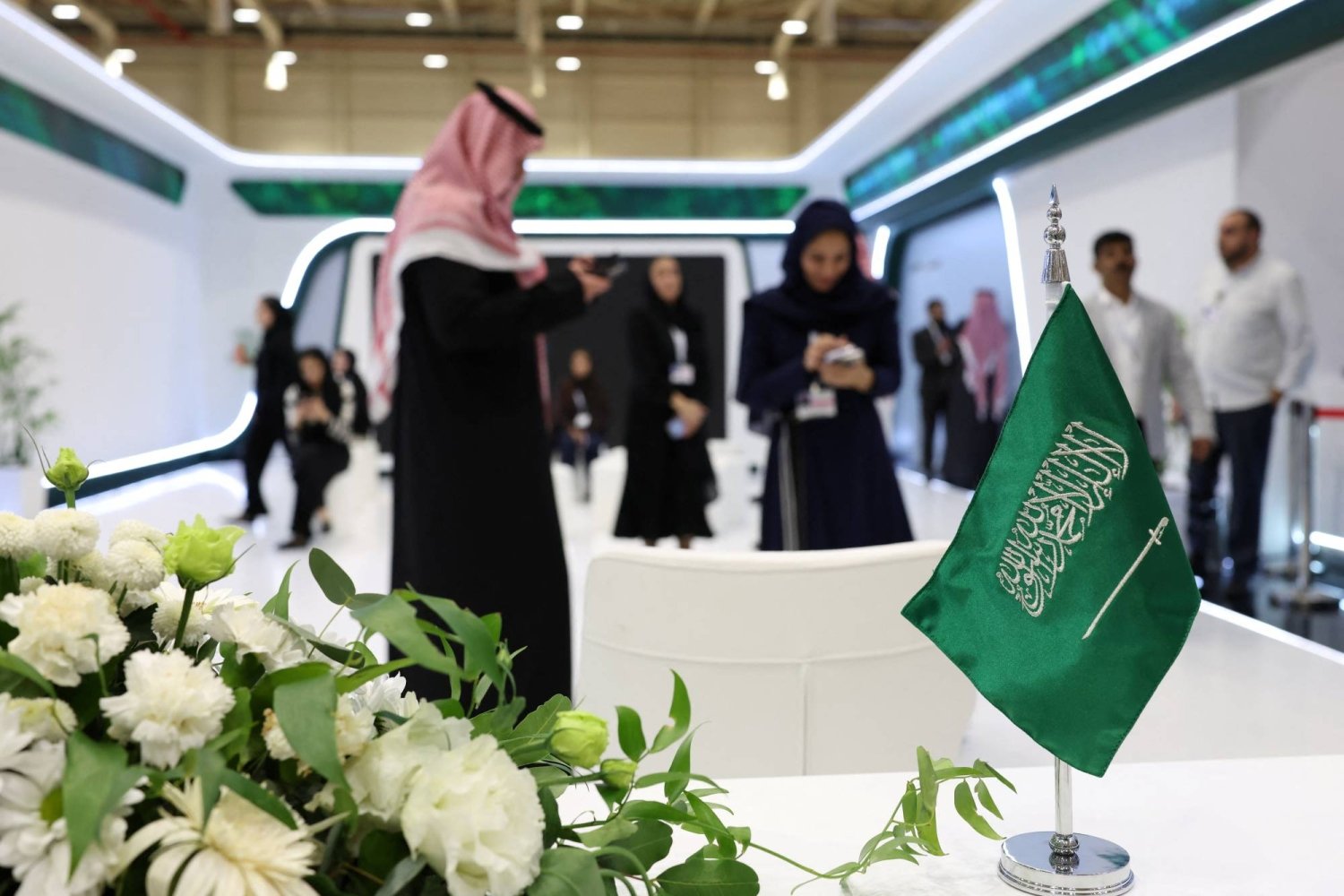
ANTALYA, Turkey – The curtains fell on the COP31 climate conference in an unprecedented stalemate, marking the first time since 2009 that a global climate summit failed to reach a final political agreement. As negotiators departed Antalya, a deep sense of frustration permeated the ranks of climate-vulnerable nations, many of whom alleged that the summit had been derailed by the undue influence of major oil-producing states.
The deadlock stemmed from a fundamental disagreement over the language used to describe the future of fossil fuels. While agreements in Glasgow (2021) and Dubai (2023) explicitly addressed the need to transition away from oil, gas, and coal, the draft text presented at COP31 omitted these terms entirely. Instead, the document favored language promoting carbon capture technologies—a priority for Saudi Arabia and other OPEC members, who have consistently maintained that fossil fuels must remain central to the global energy mix.
Negotiators from Europe, Latin America, Africa, and small island states reported a stark imbalance in access to the Turkish and Australian COP presidencies. While representatives from Riyadh enjoyed frequent access to the presiding offices, other delegations—particularly those representing nations at the forefront of the climate crisis—struggled to secure meetings, with some reporting that long-promised consultations were canceled at the eleventh hour.
“This COP, I believe, was hijacked by some oil states,” said Ireland’s climate minister, Darragh O’Brien, speaking on behalf of the European Union.
The Turkish presidency formally denied providing any “preferential treatment” to specific nations. However, the optics of the summit, characterized by private meetings between the presidency and officials from Saudi Arabia, China, and Russia while other groups were left sidelined, fueled widespread resentment.
Observers noted that the power vacuum at COP31 was exacerbated by a lack of active, traditional leadership from the United States. In previous years, close coordination between the U.S. and China often acted as the bedrock for bridging divides. This year, that collaborative force was absent. “Instead of having one or two major players helping define the boundaries of the discussion, those boundaries have become less clear,” observed Singapore Environment Minister Grace Fu.
The tension reached a boiling point in the final days of the conference. A coalition of approximately 130 countries—ranging from small island states to the European Union—delivered a letter demanding that any final deal include a commitment to transition away from fossil fuels. When the presidency released its final draft, that demand had been ignored, prompting an outcry.
“It seems like we are negotiating with the Saudis,” said Tuvalu’s climate minister, Maina Talia, as the talks teetered on the brink of collapse.
By Sunday afternoon, as delegations began to depart to catch flights, COP31 President Murat Kurum conceded that consensus was unattainable and opted not to advance a new text. The failure to secure a joint statement leaves the international community without a clear roadmap following a conference that had set out with modest, but firm, goals regarding global electrification and implementation of past accords.
For many, the outcome of COP31 underscores a growing concern: that the voices of those most vulnerable to rising seas and extreme weather are being effectively silenced by the economic interests of fossil fuel exporters.
“It seems like when fossil fuels cannot be mentioned in the cover text, then somehow the oil countries have a larger voice at this COP,” said Danish Climate Minister Samira Nawa. As the summit concluded without a resolution, the question of how future climate negotiations can navigate the competing interests of energy producers and climate-vulnerable nations remains, for now, unanswered.
Disclaimer: This content is auto-generated for informational purposes only.
Source: Read Original News