







The chalk streams of Hertfordshire, once threatened by systemic pollution and water abstraction, are increasingly becoming the focus of intensive ecological restoration efforts. These unique waterways, which derive their character from rain filtered through porous chalk bedrock, are celebrated for their crystal-clear water and stable, cool temperatures. However, recent observations by local naturalists and environmental groups highlight both the fragility and the remarkable recovery potential of these rare habitats.
At the heart of the Hertfordshire landscape, these shallow, gravel-bedded streams are beginning to show signs of renewed vitality. During the winter and early spring months, the clarity of the water—a hallmark of a healthy chalk stream—reveals the intricate subterranean ecosystems that lie beneath the surface. For observers, the sight of brown trout (Salmo trutta) navigating these gravel beds is no longer an anomaly, but rather a hopeful indicator of improving water quality and habitat complexity.
Chalk streams are globally rare, with the majority of the world’s supply located in southern and eastern England. Their stable environment provides a critical refuge for biodiversity, supporting species such as water voles, kingfishers, and a diverse range of invertebrates like mayflies and freshwater shrimp. In recent decades, however, these ecosystems have faced significant anthropogenic pressures. Excessive water extraction by utility companies to supply local populations has frequently lowered water levels, leaving streams prone to drying out during periods of drought. Concurrently, agricultural runoff and treated sewage discharge have contributed to high nutrient levels, leading to the proliferation of algal blooms that stifle the oxygen-rich gravel beds essential for fish spawning.
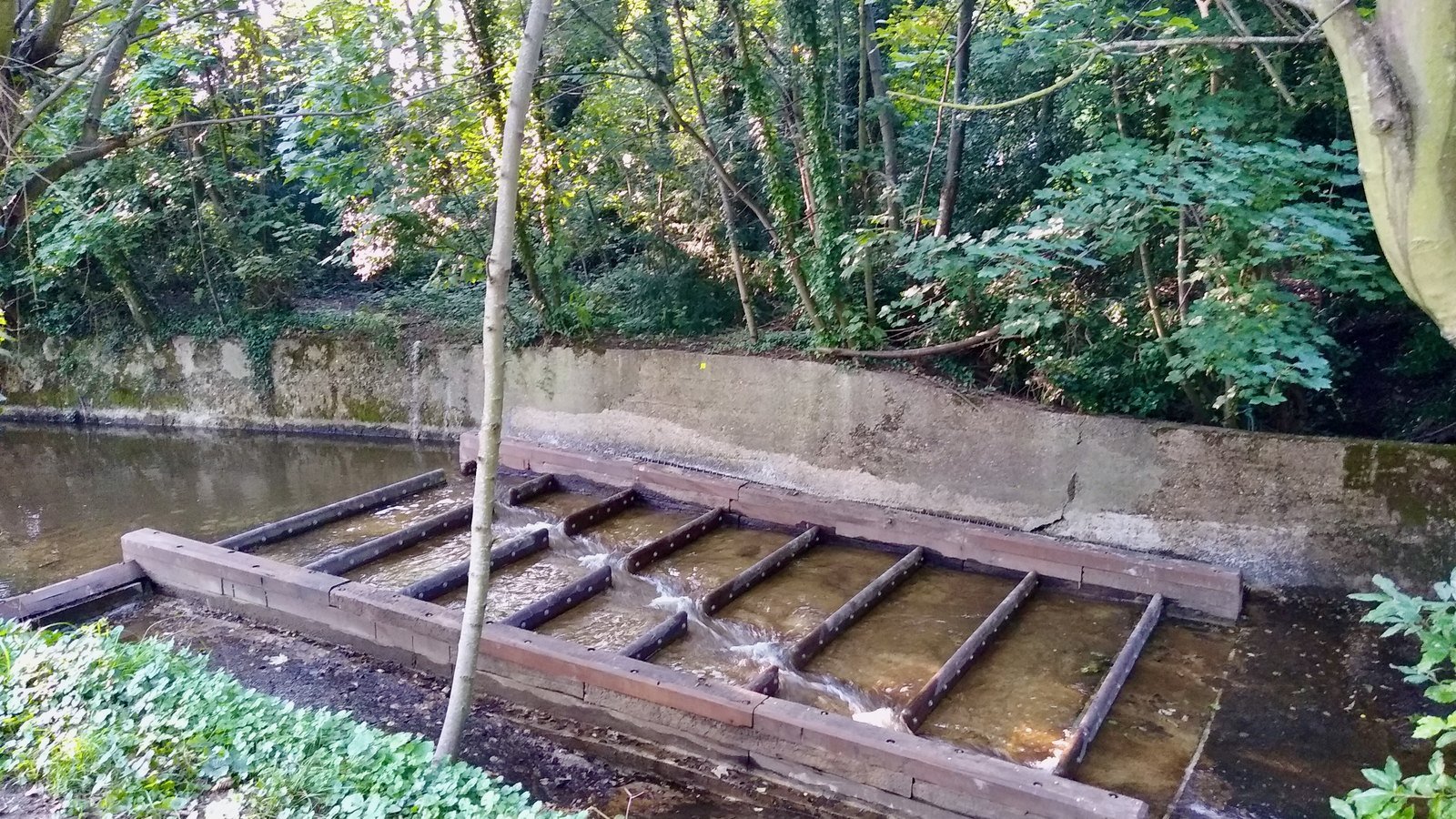
The current observations of trout in shallow, clear water reflect a concerted shift in management strategies. Conservation organizations, including the Hertfordshire and Middlesex Wildlife Trust and the Chilterns Chalk Streams Project, have been working to address the structural degradation of these channels. By installing woody debris and removing man-made barriers, these groups are slowing the flow of water, encouraging the meandering patterns that naturally clean the stream bed. This “re-wilding” of the riverbed allows the water to scour the gravels, maintaining the high-oxygen conditions necessary for trout to thrive.
Despite these localized successes, experts warn that the broader health of Hertfordshire’s watercourses remains precarious. Climate change is exacerbating the volatility of rainfall, creating a dichotomy where the risk of winter flooding is matched by the risk of summer desiccation. The resilience of the brown trout population is contingent upon the maintenance of baseflows—the groundwater that seeps into the stream throughout the year. If water demand continues to outpace the rate of aquifer recharge, the gains made in water quality could be nullified by a lack of volume.
Policy discussions are now shifting toward the integration of nature-based solutions. There is growing pressure on regulators to mandate stricter abstraction limits and to invest in advanced sewage treatment infrastructure to prevent the “chemical cocktail” of pollutants from reaching these sensitive headwaters. The presence of trout, while encouraging, serves as a “canary in the coal mine.” Their ability to find suitable gravel beds for spawning is a testament to the fact that the physical habitat is improving, but their long-term survival depends on the continued reduction of systemic pollutants and the responsible management of local water tables.
As residents and conservationists continue to monitor these waterways, the clarity of the water acts as a visual barometer for environmental health. The sight of a brown trout flickering over a gravel bed is more than just a pleasant encounter; it is a vital metric of ecosystem functionality. Protecting these Hertfordshire streams requires a sustained commitment to balancing human utility with the essential needs of an ecosystem that, when given the chance, demonstrates a persistent and impressive capacity to recover.
Disclaimer: This content is auto-generated for informational purposes only.
Source: Read Original News