







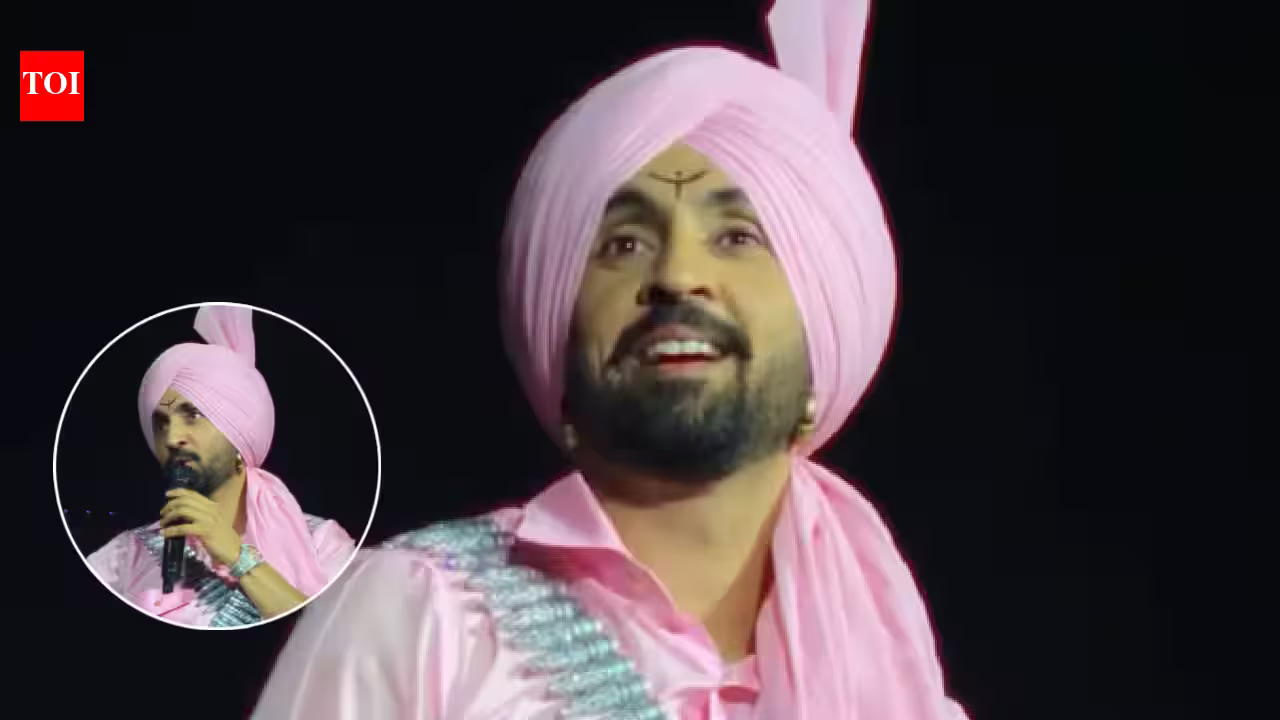
The electric hum of a Diljit Dosanjh concert is usually defined by the thrum of Punjabi beats and the deafening adoration of thousands. But at his recent stop at the Mumbai Mahalaxmi Racecourse, the atmosphere was thick with something else entirely: the sterile, clinical precision of an anti-narcotics operation. As the global superstar brought his AURA India Tour 2026 to the city, the audience found themselves not just under the spotlight of the stage, but under the watchful gaze of the Mumbai Police’s latest weapon in the war on drugs.
For those who thought a concert was merely a place to lose oneself in the music, the events of this past weekend served as a stark reminder that the modern live entertainment experience in India is shifting. Amidst the neon glow and the roar of the crowd, the authorities were busy deploying a high-tech forensic van, signaling a new era of proactive policing at large-scale public events.
A New Frontier in Public Safety
The operation at the Mahalaxmi Racecourse was far from routine. As fans queued up, eager to catch a glimpse of the “Dil-Luminati” hitmaker, nearly 40 young attendees were pulled aside for screening. The results were immediate and sobering: two individuals—one a Kenyan national and the other Indian—tested positive for drug consumption.
This isn’t just a random sweep; it represents a tactical shift by the Anti-Narcotics Cell (ANC). By integrating forensic capabilities directly into the fabric of a concert venue, the police are cutting out the logistical lag time that once hampered drug enforcement at massive gatherings. The objective is clear: to dismantle the supply and demand chains that often thrive in the shadows of high-energy music festivals and stadium shows.
The Power of the Anti-Narcotics Investigation and Forensic Van
The star of this operation was undoubtedly the newly inaugurated Anti-Narcotics Investigation and Forensic Van, which made its public debut just days prior. Launched by Deputy Chief Minister Devendra Fadnavis on November 21, 2026, the vehicle is a mobile laboratory on wheels.
It is designed to be the ultimate field tool for law enforcement, capable of conducting on-the-spot analysis of suspected substances. Instead of the traditional, tedious process of sending samples to an off-site lab, officers can now perform initial testing, catalog high-resolution photo and video evidence of a “crime scene,” and securely store seized contraband within the vehicle’s specialized compartments. It is a technological leap that turns a music venue into a controlled, surveilled environment, ensuring that the wheels of justice turn as fast as the concert’s beat.
The Van’s Baptism by Fire
While the Diljit Dosanjh concert served as a high-profile demonstration of the van’s utility, it was not its first test. The vehicle was commissioned for service just a day earlier at the ‘AEDEN’ live music event, also held at the Mahalaxmi Racecourse.
The results from that initial outing were perhaps even more telling of the current enforcement climate. In that instance, police initiated action under the stringent Narcotic Drugs and Psychotropic Substances (NDPS) Act against 12 people. By the time the AURA tour arrived, it was evident that the police had established a new “standard operating procedure” for live events in Mumbai. Event organizers across the city are now on notice: the era of lax security at large gatherings is effectively over, replaced by a zero-tolerance policy backed by forensic technology.
A Concert Under the Shadow of Threats
The focus on drug enforcement was compounded by a heavy, palpable tension resulting from a security threat that emerged just 24 hours before the first chord was struck. On Thursday—a date heavy with the emotional weight of the 26/11 Mumbai terror attack anniversary—the concert venue became the target of an alarming email.
The correspondence, sent by an individual identifying as “Hannah Meler,” did not mince words. It contained specific, chilling threats of grenade attacks and IED blasts targeting the mayor’s office, metro stations, and the concert grounds itself. The rhetoric in the email drew disturbing connections to the 1984 anti-Sikh riots and the Khalistan movement, explicitly threatening the safety of the artist and those associated with his tour.
In response, the Mumbai Police didn’t just heighten security; they turned the venue into a fortress. Over 500 personnel were deployed, including specialized units like the Bomb Detection and Disposal Squad (BDDS), which meticulously swept the grounds. Entry gates were expanded from three to five to facilitate stricter checking, and in a move that highlighted the gravity of the situation, organizers were strictly prohibited from displaying any banners, flags, or signs of any kind.
The “New Normal” for Live Music
As the dust settles on the AURA tour stop, the takeaway is clear: the relationship between the concert-goer and the state is changing. The deployment of plainclothes officers, the 500-meter “no-car zone” around the venue, and the blanket ban on hotel arrival information for the artist were all part of a hyper-vigilant security apparatus.
For Diljit Dosanjh, whose star power continues to reach stratospheric heights, the concert remained a testament to his connection with his fans. However, the presence of the forensic van and the overwhelming police response serves as a backdrop to the future of the Indian concert circuit. Whether this proactive, tech-heavy approach will deter illicit activity in the long run remains to be seen, but one thing is certain: for the foreseeable future, the lights at Mumbai’s biggest concerts will be shining brighter—and harsher—than ever before.
Disclaimer: This content is auto-generated for informational purposes only.
Source: Read Original News