





Berkshire Hathaway’s Shifting Tides: Greg Abel’s Strategic Spending and Strong Q2 Earnings
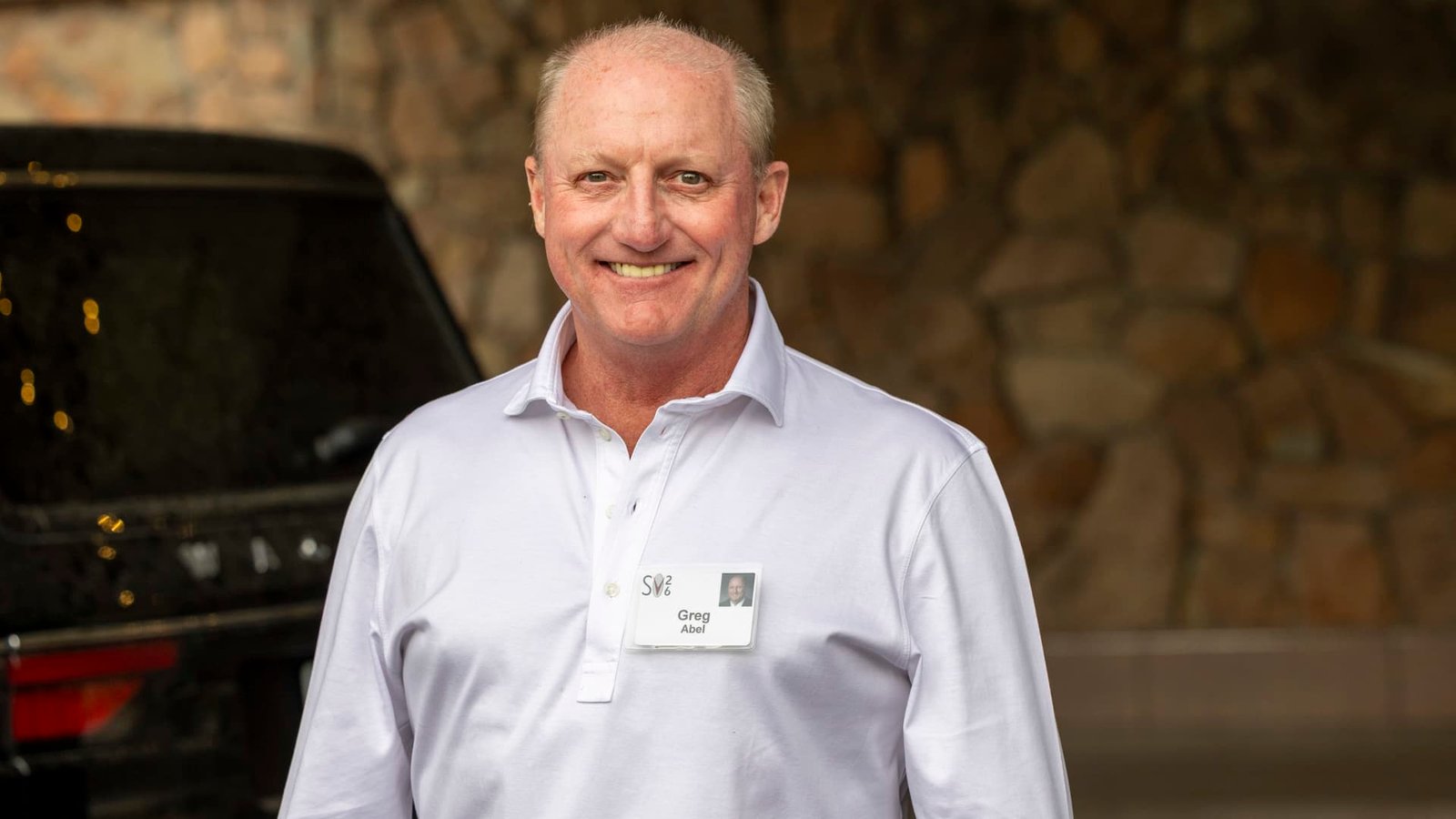
In a notable shift for Berkshire Hathaway, the conglomerate’s cash reserves experienced their first significant decline since early 2022, signaling an active quarter of capital deployment under the leadership of CEO Greg Abel. The second quarter of 2026 saw considerable spending, including substantial share buybacks and a significant increase in equity investments.
According to the financial report for the three months ending June 30, Berkshire Hathaway’s cash on hand decreased by 8.0% to $365.5 billion from a record high of $397.4 billion as of March 31. When excluding BNSF’s cash and adjusting for Treasury bills purchased but not yet paid for – a metric favored by Berkshire – the company’s cash declined 3.8% to $359.2 billion.
Abel Puts a Big Chunk of Berkshire’s Cash to Work
A key component of this spending was a $4.5 billion allocation to Berkshire share buybacks. While this figure came in below some analyst estimates, such as Barron’s rough estimate of $5 billion to $11 billion and UBS analyst Brian Meredith’s $8.5 billion forecast, it represents a substantial increase from the $235 million spent in the first quarter, which was Berkshire’s first buyback activity since 2024.
Cathy Seifert of CFRA Research noted to Bloomberg that “People are going to be encouraged by the buybacks. It’s also Greg’s way of taking the helm and asserting himself.” Macrae Sykes, a portfolio manager at Gabelli Funds, echoed this sentiment, stating that “Material repurchases provide confidence for shareholders that some of the best corporate capital allocators see current value.” Further analysis by Barron’s suggests that Berkshire may have spent an additional $3.4 billion on buybacks in July, primarily before the stock’s rally towards the end of the month.
Beyond buybacks, Berkshire Hathaway also became a net buyer of equities for the first time in 14 quarters, with a net increase of $20 billion in its equity portfolio. This includes a significant $10 billion investment in Alphabet, Google’s parent company, announced in June. The specifics of these new and adjusted holdings will be fully disclosed with the release of Berkshire’s Q2 portfolio snapshot in the coming week.
More Bullish News: Strong Operating Earnings
The second quarter also delivered strong operating earnings for Berkshire Hathaway, which will likely be welcomed by investors. Overall, operating earnings increased 16% to $12.98 billion. Key contributors to this growth included Berkshire Hathaway Energy, up 27%, and the BNSF railroad, which saw a 6% increase. The manufacturing, service, and retail sectors also performed well, with earnings rising 24% to almost $4.5 billion.
However, the insurance segment experienced a slight setback, with underwriting earnings falling 13% and insurance investment income dropping 9%. GEICO was a particular weak spot, with its underwriting profits declining by 45%. Despite this, Gabelli’s Sykes remained optimistic, noting, “Despite more difficult insurance industry back-drop, the company continues to build shareholder net worth in Greg Abel’s first year as CEO.”
DaVita Trim Not Driven by Stock Volatility
Berkshire Hathaway also adjusted its position in DaVita, the dialysis provider, shortly before the stock experienced a significant decline. However, this trim was not a reaction to the 23% plunge in DaVita’s share price following its Q2 earnings report, which revealed a decline in revenue per treatment due to patients dropping Obamacare plans after pandemic subsidy terminations.
The adjustment stemmed from a 2024 agreement with DaVita, which mandates that Berkshire maintain its stake at 45% or lower. To counteract any reduction in DaVita’s outstanding shares from repurchases, DaVita is required to buy back a corresponding amount from Berkshire quarterly. With DaVita’s outstanding shares decreasing by only 400,000 in Q2, Berkshire’s holding was reduced by just under 183,000 shares, preserving its 45.0% stake, valued at nearly $5.3 billion.
Berkshire received $36.5 million for these shares. Interestingly, while DaVita closed at over $240 on July 31st, the day of the transaction, Berkshire received just under $200 per share. This discrepancy is due to the agreement stipulating that the per-share price is the “volume-weighted average per share price” of DaVita’s public buybacks during the quarter. Despite this, Berkshire remains in a favorable position, as DaVita’s stock is currently trading just under $184, and the company’s shares are still up almost 62% year-to-date.
This active quarter demonstrates Greg Abel’s growing influence and strategic capital allocation at Berkshire Hathaway, maintaining strong operational performance while navigating market dynamics and prior agreements.