







The Unseen Odyssey: Wandering Glider Dragonfly Crowned Global Citizen and Migration Champion
A ubiquitous insect, often overlooked, reveals a hidden world of extraordinary global migration, captivating scientists and redefining our understanding of natural wonders.
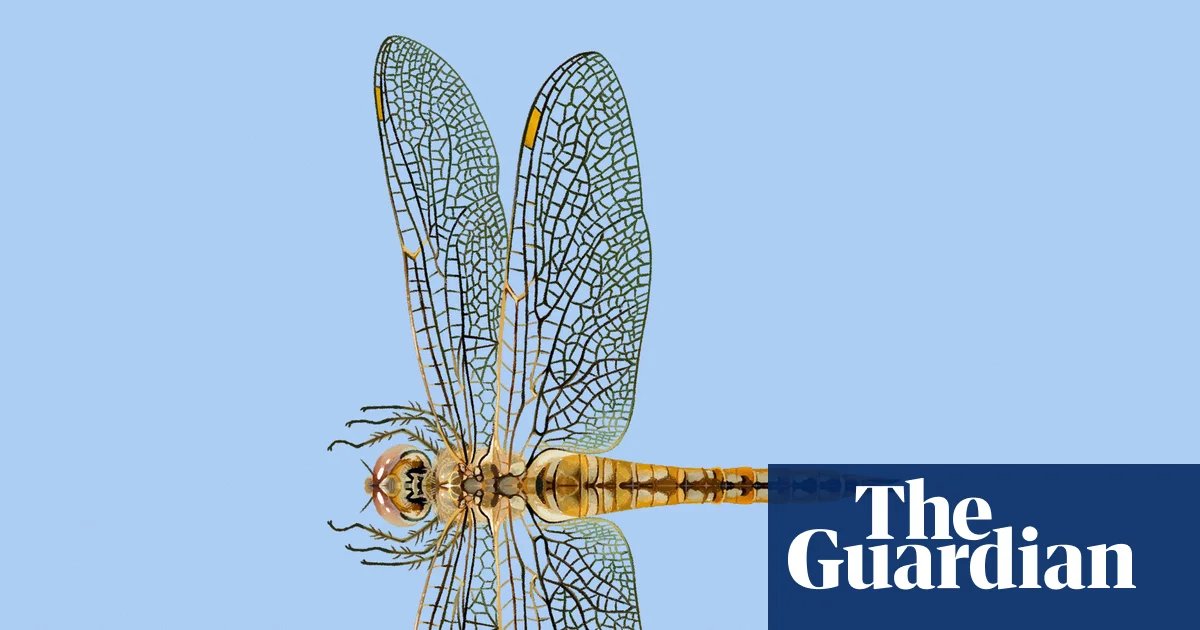
Often described as a citizen of the globe, the wandering glider dragonfly (Pantala flavescens) is proving to be far more than just a common sight. This remarkable insect, an evolutionary marvel unchanged for 200 million years, has recently been unveiled as the planet’s greatest insect migrator, undertaking an astounding 18,000km journey across generations.
Dragonflies, or Odonates, are direct descendants of some of the earliest winged insects, griffin flies, which first emerged around 317 million years ago. Their timeless efficiency and adaptability have allowed them to thrive across epochs where continents themselves were in constant flux. It’s perhaps this ancient lineage of nomadic survival that instilled in the wandering glider its insatiable wanderlust.
Wherever one finds themselves on Earth, from bustling metropolises to remote island outposts, the sleek, darting form of this dragonfly is a familiar sight. Characterised by transparent wings and a distinctive yellow or golden thorax marked with a dark line, the wandering glider is found on every continent except Antarctica. Its presence spans from sea level to altitudes exceeding 6,000 metres in the Himalayas, demonstrating an unparalleled ecological versatility.
Unlike many other dragonfly species whose aquatic larvae may take several years to mature, the wandering glider possesses an accelerated development cycle. Its larvae can reach maturity in as little as 38 days, enabling females, capable of laying up to 2,000 eggs, to capitalise on ephemeral water sources, including temporary pools and even swimming pools. This rapid reproduction is a critical factor in its widespread distribution and ability to colonise new territories efficiently.
Despite its modest size – approximately 4.5cm long and weighing a fraction of a gram – the wandering glider embarks on an extraordinary transcontinental migration. This epic journey, spanning up to 18,000km between India and East Africa, was only discovered this century. Marine biologist Charles Anderson first proposed this miraculous migration in 2009, observing the dragonflies’ arrival in the Maldives with the October monsoons, continuing their journey to the Seychelles, and ultimately reaching East Africa to breed during the monsoon rains there.
The hypothesis of this grand migration was confirmed through isotope evidence in 2012, and further solidified by a genetic study in 2016 which revealed that wandering gliders interbreed as a single, global population. This interconnectedness underscores their status as true world citizens.
Ben Price, principal curator of entomology at the Natural History Museum in London, expressed his astonishment at this relatively recent discovery: “That a common, familiar insect could hide the greatest migration on the planet until our own century is a perfect reminder that the natural world is still full of discoveries. Ubiquitous, fearless, and quietly astonishing. My vote goes to the wandering glider.”
The wandering glider’s story serves as a compelling testament to the hidden complexities and wonders of the natural world, urging us to look closer at the creatures that share our planet, for even the most common among them may hold secrets of unparalleled magnificence.