








Colombo, Sri Lanka – Indian cricket finds itself grappling with a significant injury crisis, with over a dozen key players undergoing rehabilitation at the BCCI Centre of Excellence (CoE). The situation has led to several prominent names, including Jasprit Bumrah, Sai Sudharsan, Nitish Kumar Reddy, and Harshit Rana, being unavailable for the upcoming two-Test series against Sri Lanka. This poses a considerable challenge for India, particularly given their precarious standing in the World Test Championship (WTC) table.
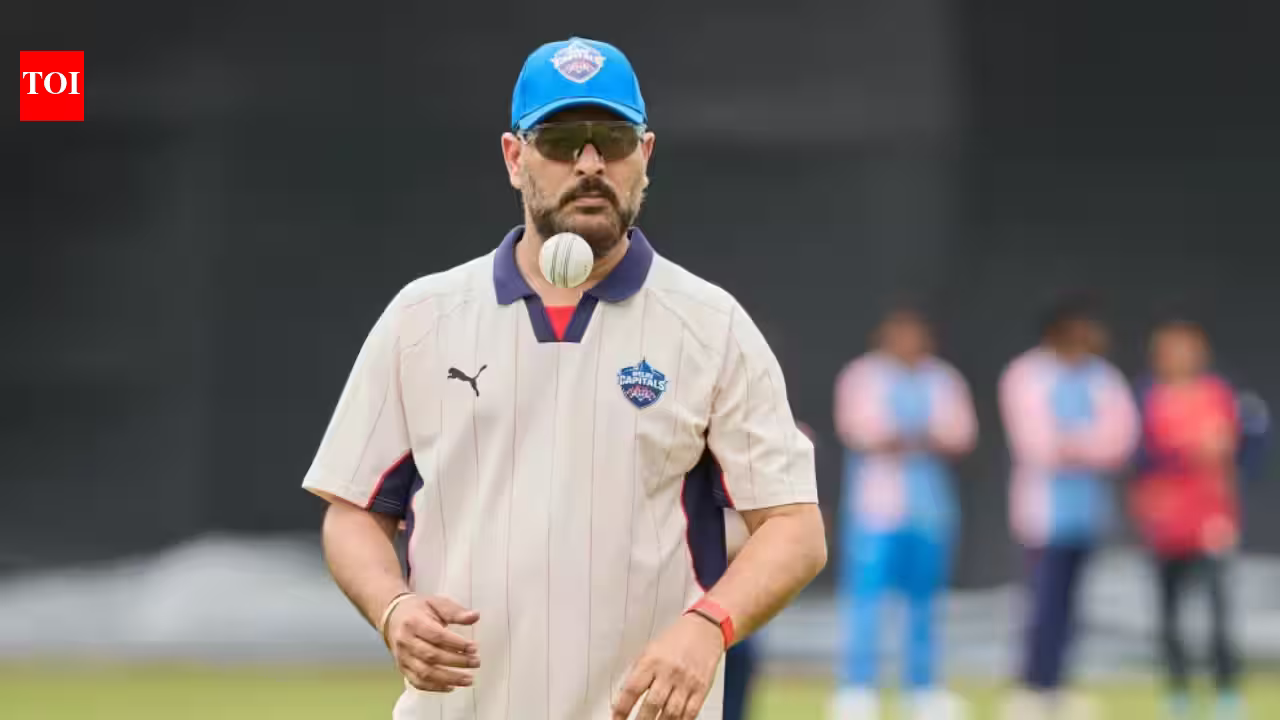
Amidst this challenging backdrop, former India paceman Zaheer Khan, who endured his share of injuries during his illustrious playing career, is urging for patience and a nuanced approach. Speaking exclusively to TimesofIndia.com on the sidelines of the Lanka Premier League (LPL) final in Colombo, where he serves as co-owner of the Jaffna Kings, Khan delved into various critical aspects of Indian cricket. His insights covered workload management, the ongoing situation surrounding Mohammed Shami, the emergence of promising young fast bowlers, and the timeless debate between sheer pace and strategic craft.
The Speed vs. Craft Conundrum
When questioned about the relative importance of speed versus craft for fast bowlers, Khan emphasized a holistic view. "Everything is important," he stated. "More importantly, it is about the phase in which you are playing. Every fast bowler starts differently, and then understanding and experience develop. That way, things are balanced for maximum output. So, both things are important."
He further elaborated, "If someone is bowling fast and is able to maintain that pace for a long time while moving the ball, then that is a good thing. You don’t need to think much about it. It feels good to see a young crop of fast bowlers who have the ability to bowl fast. That is a positive sign."
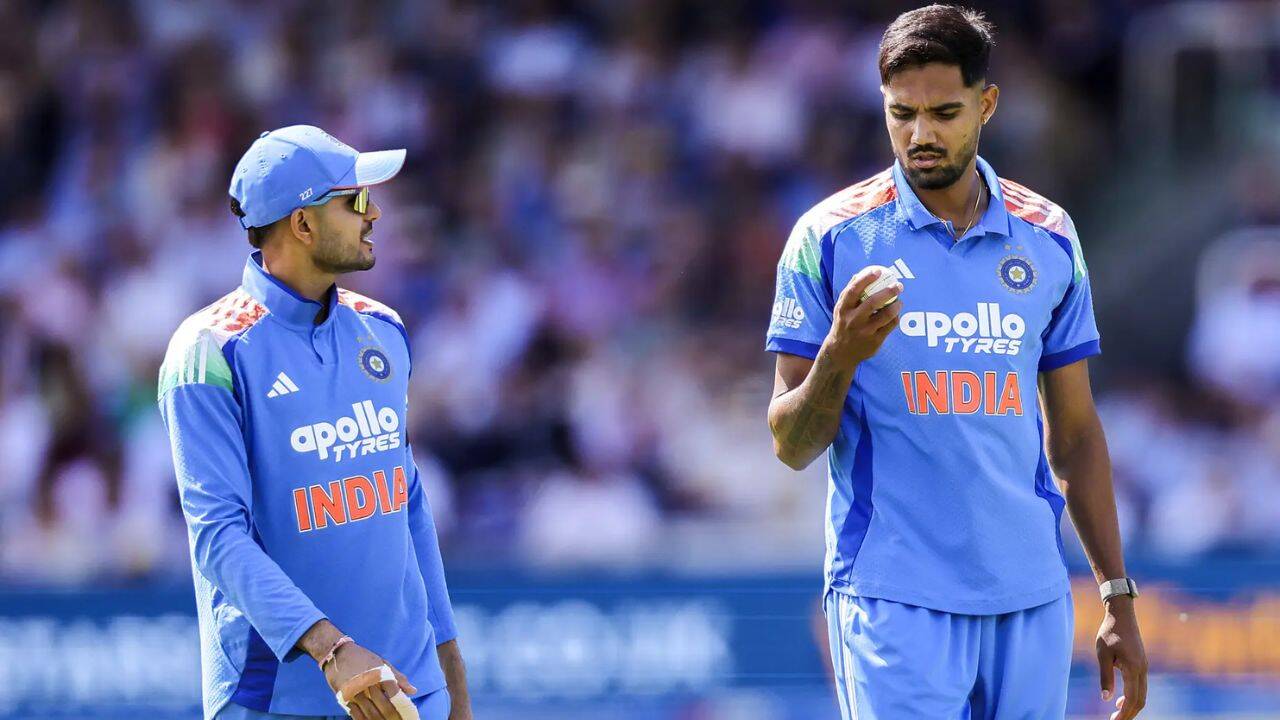
Shubman Gill and Gurnoor Brar during 3rd ODI against England, at Lord’s in London on Sunday. (ANI Photo)
Gurnoor Brar: India’s Next Exciting Pacer?
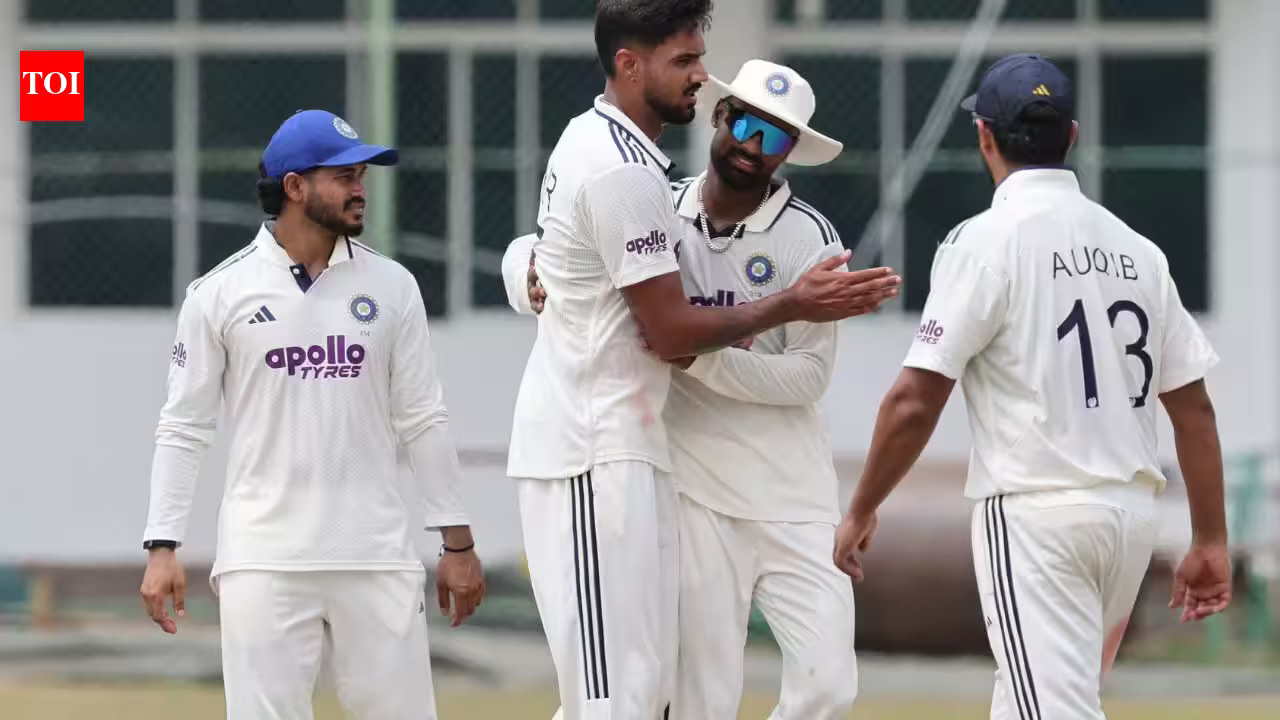
Among the burgeoning talent pool, Khan singled out one individual who has particularly caught his eye: Gurnoor Brar. "I have said this before. Gurnoor Brar has the ability. He was fast-tracked and has the ability to bowl fast," Khan asserted. "When I spent time with him at the CoE, I got a better idea of how he sees and understands things. He is an exciting player. You have to keep an eye on how he travels, and if things go well, you can expect a lot from him." Brar’s potential is further highlighted by the fact that he picked up two wickets in the second innings, as noted in the image caption.
Mentorship at the CoE
Khan also reflected on his recent engagement with targeted fast bowlers at the CoE, underscoring the importance of continuous learning and discussion. "When I played cricket, I used to like these types of conversations. The more you talk about cricket and different situations, the better you get. And the way of playing cricket hasn’t changed. That’s how I see it," he explained. "I had a very good time interacting with the fast bowlers. It was very fruitful. The more conversations you have, the better idea you get. Discussions on different situations also help. So, it was a good time."
Navigating the Injury Landscape
Addressing the current injury woes plaguing Indian cricket, Khan offered a pragmatic perspective. "Injuries are part and parcel of the game. They are part and parcel of every individual’s journey. You can talk about workload management, but you also need to understand the timing of events," he stated. He emphasized the need for comprehensive planning and understanding the root causes of injuries. "You can see some things, but overall, you have to plan accordingly. If a fast bowler sustains an injury or goes through a difficult phase, it is very important to control the things in your hands. You have to control them properly. Until you know the root cause, you can’t move forward."
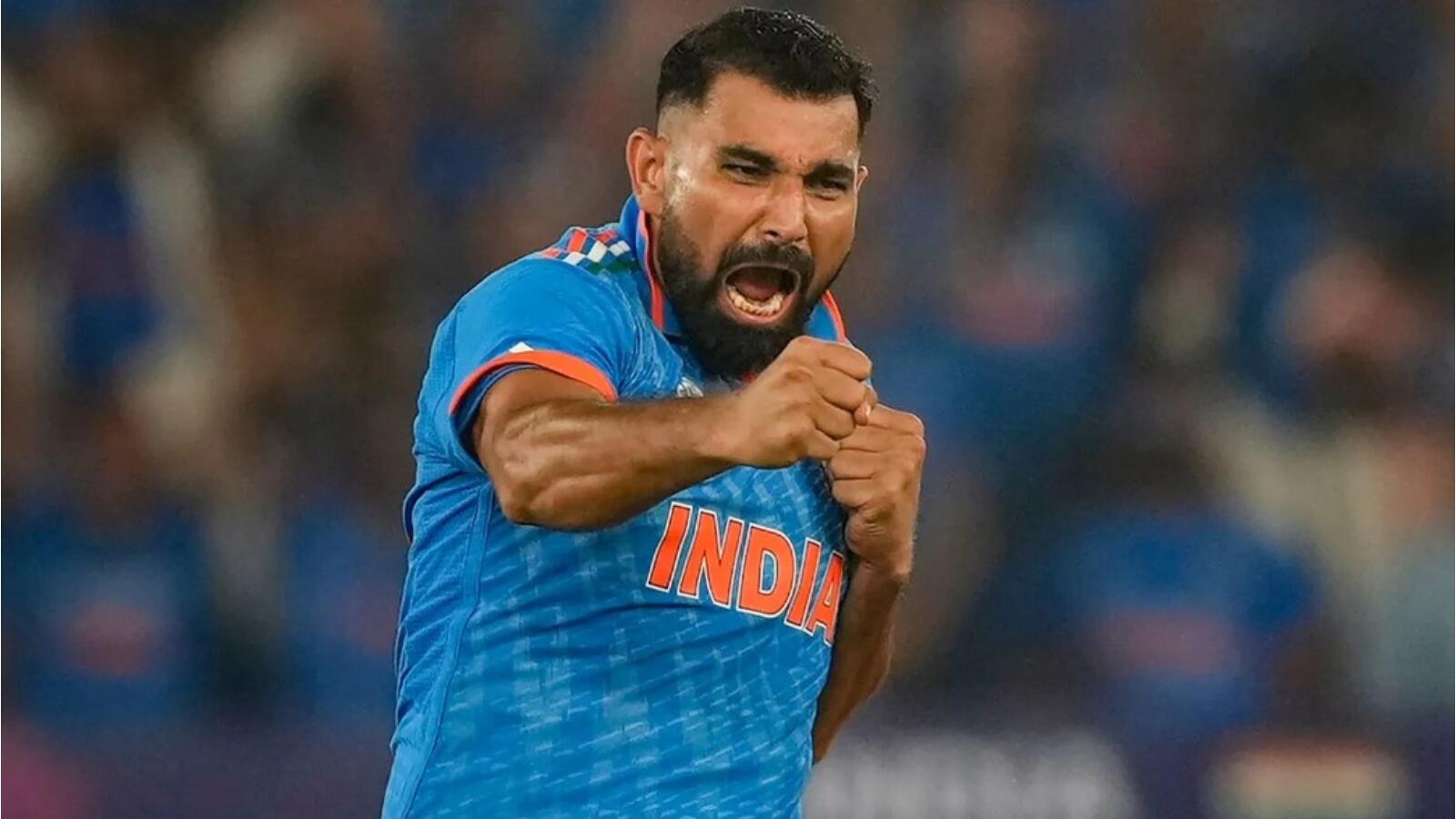
मोहम्मद शमी
Mohammed Shami’s Continued Motivation
The conversation also turned to veteran pacer Mohammed Shami, and how a player in his position maintains motivation. Khan’s advice was clear: "It is your decision, the way you want to move forward. If you are playing matches and performing well, you remain available. I see things that way." He stressed the importance of a player’s individual drive. "The team’s thinking is different, but your way of thinking is important. If you want to contribute, it is your decision. The way the team is looking at things and what is going on in the scheme of things, sometimes you can analyse how you are thinking. But how can you contribute to that? As a player, you should do what Shami is doing. He is playing. As you said, he is playing matches. That is important."
Beyond the Boundary: Co-Ownership and Giving Back
Finally, Khan shed light on his transition into co-ownership of a franchise. "It is very important to stay connected to cricket. I think cricket is one such thing that we understand. It is a part of our lives. You can say that you get satisfaction when you do things related to cricket," he articulated. He views this role as a means of giving back to the sport. "When it comes to development, it is like giving back to the game. The ICC is working with a lot of Associate nations, and a lot of effort is being made for cricket development. If you look at it that way, there will be a responsibility on Anchor Sports in terms of how they take things forward. The mindset is the same. If you can contribute to cricket in different ways, you can find a way to do that. Things started with that mindset. Team ownership is a part of it, but things may not be limited to that."
Zaheer Khan’s comprehensive insights offer a valuable perspective on the current state of Indian cricket, highlighting the challenges and opportunities ahead, while emphasizing the importance of nurturing young talent and maintaining a steadfast commitment to the game.