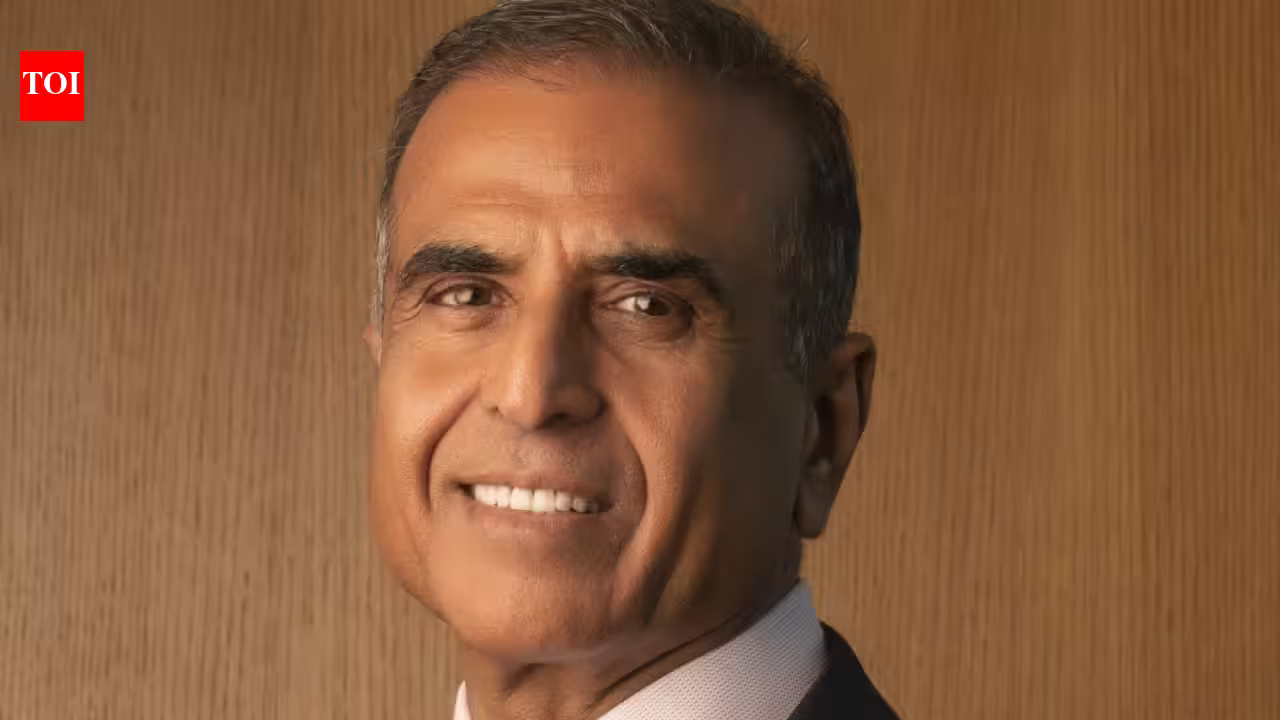










Maruti Suzuki Chairman Urges Accelerated Reforms and Political Consensus for Economic Growth
NEW DELHI: In a significant address to stakeholders, Maruti Suzuki India chairman RC Bhargava has issued a powerful call for accelerated reforms and enhanced governmental efficiency. Speaking through the company’s annual report for the fiscal year 2025-26, Bhargava urged both central and state governments to expedite the reform process and intensify efforts to simplify the ease of doing business across the nation.
The veteran industry leader’s message, embedded within the highly anticipated annual report, extends beyond governmental action. He made a direct appeal to all political parties, emphasizing the critical need for bipartisan support for reforms and programmes that are designed to foster wealth creation. This plea highlights a growing sentiment within the corporate sector for political unity in driving economic progress.
Bhargava underscored the ultimate goal of such initiatives: “The government and the opposition should ensure that the additional resources that would be generated would be used to create a more equitable and just society.” This statement frames wealth creation not as an end in itself, but as a vital mechanism to achieve broader societal benefits, including reduced inequality and improved social justice.
His remarks come at a time when India is navigating a complex global economic landscape, with domestic policies playing an increasingly crucial role in sustaining growth momentum. The emphasis on “faster reforms” suggests a perception that the pace of policy implementation may not be matching the urgency required to capitalize on emerging opportunities or address existing challenges.
The concept of “ease of doing business” has been a consistent focus for the Indian government, aiming to attract foreign investment and encourage domestic entrepreneurship. Bhargava’s reiteration of this point indicates that while progress has been made, there remains significant scope for further simplification of regulatory frameworks, bureaucratic procedures, and policy stability that directly impact corporate operations and investment decisions.
Furthermore, the appeal for political parties to set aside ideological differences and collaborate on wealth-generating programmes is a notable aspect of Bhargava’s message. Such a consensus, he implies, would provide the stability and predictability necessary for long-term economic planning and investment, which are crucial for large-scale industries like automotive manufacturing.
As the chairman of India’s largest carmaker, Bhargava’s insights carry considerable weight. The automotive sector is a bellwether for the Indian economy, reflecting consumer confidence, manufacturing prowess, and the broader health of the industrial landscape. His observations, therefore, resonate across various sectors and among policymakers.
The annual report serves not only as a financial disclosure but also as a platform for corporate leaders to articulate their perspectives on the broader economic and political environment. Bhargava’s forward-looking statement for 2025-26 indicates a strategic view that transcends immediate business objectives, focusing instead on the foundational elements required for sustainable national prosperity.
In essence, Bhargava’s message is a clarion call for collaborative governance and efficient policy execution. It underscores the private sector’s belief that while economic growth is paramount, its fruits must be strategically channeled to foster a more inclusive and just society, cementing the link between economic prosperity and social equity.