







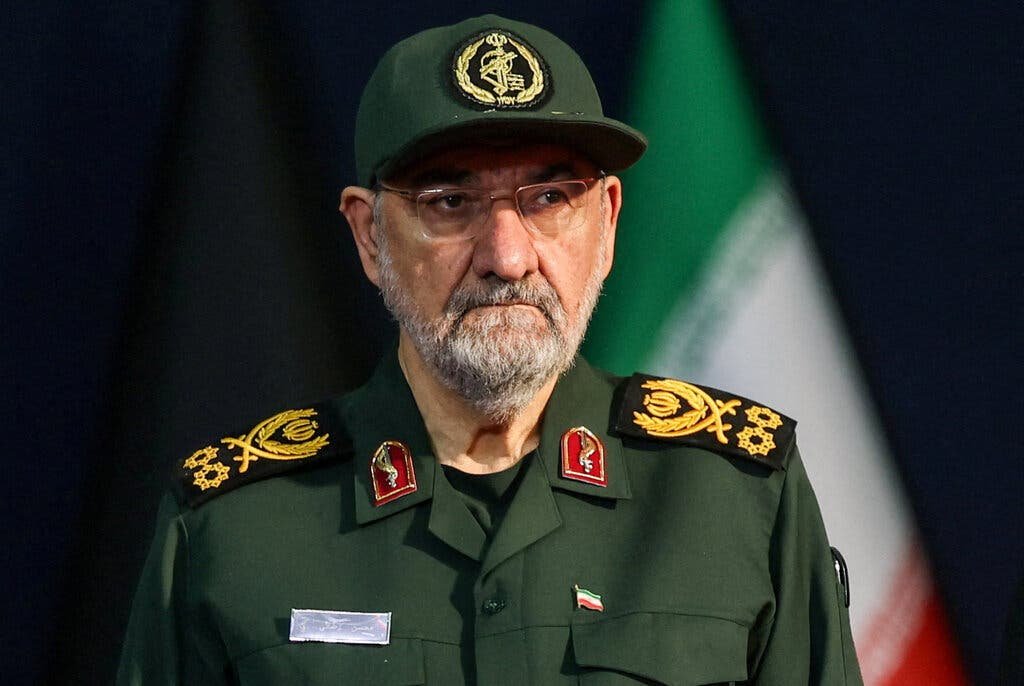
Iran has appointed Mohsen Rezaei, a former chief of the Islamic Revolutionary Guard Corps (IRGC), to a significant security position. This development occurs amid ongoing negotiations concerning the strategic Strait of Hormuz, a critical conduit for global oil shipments.
Rezaei’s background within the IRGC, an influential military and political institution, positions him as a key figure in addressing security concerns in the volatile region. His extensive experience may prove pivotal in shaping Iran’s approach to dialogues aimed at de-escalating tensions.
The Strait of Hormuz, which links the Persian Gulf to the Gulf of Oman, is a frequent flashpoint for geopolitical disputes. Approximately 20% of the world’s oil trade traverses this narrow waterway, underscoring its immense strategic importance. Recent discussions among various nations have further highlighted its significance for regional security and stability.
As Iran engages in these complex negotiations, Rezaei’s appointment suggests the nation’s intent to strengthen its security apparatus in response to both internal and external pressures. Analysts indicate this could signify a shift towards a more militarized stance in Iran’s foreign policy, potentially impacting regional dynamics.
The global community will be closely observing Rezaei’s new role, particularly in how Iran responds to perceived threats or diplomatic engagements related to the Strait of Hormuz. The implications of this appointment could extend beyond Iran, influencing broader geopolitical relations in the Middle East.
While the precise details and outcomes of the negotiations are yet to unfold, Rezaei’s leadership is anticipated to be instrumental in defining Iran’s strategy in one of the world’s most crucial maritime corridors.