







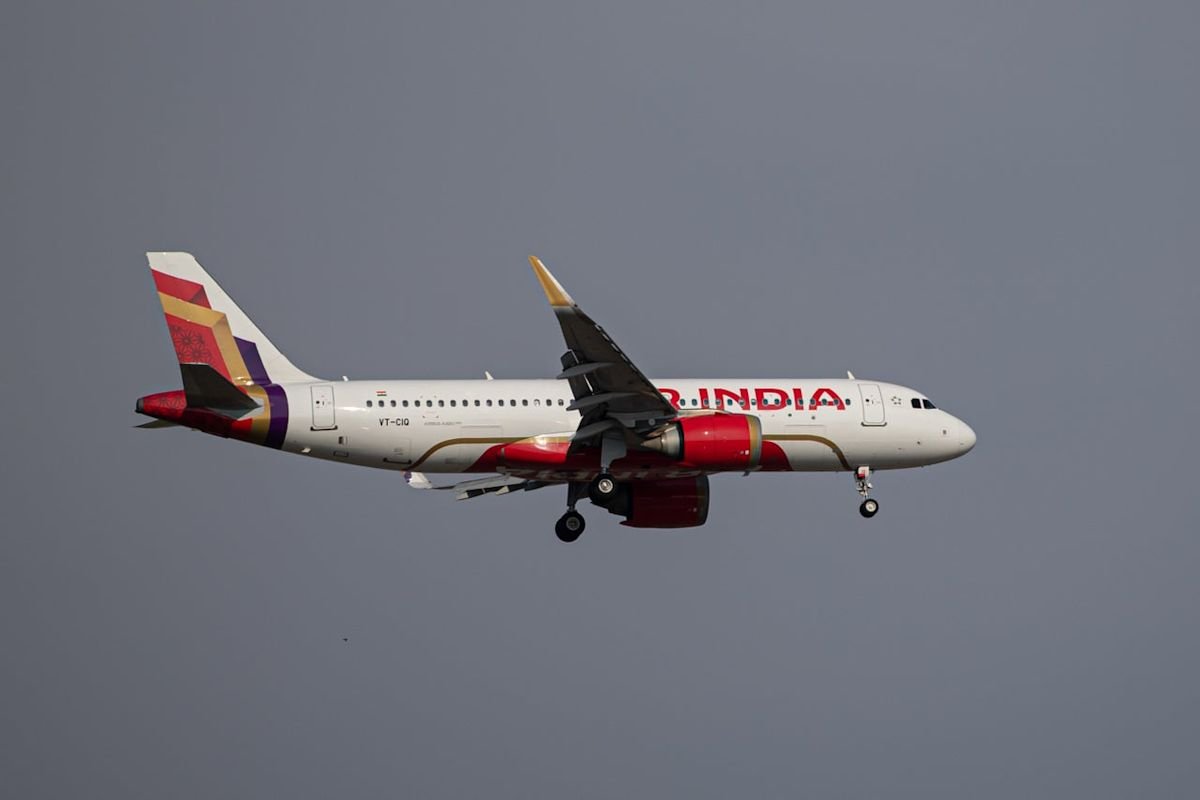
Air India Faces Growing Passenger Distrust and Financial Strain Following Tragic Crash
New Delhi — For frequent international traveler Twisha Sharma, the choice of airline has become a matter of deep personal anxiety. Despite the convenience of direct routes, Sharma says she will no longer fly with Air India. Her hesitation, shared by a growing number of passengers, stems from a summer of tragedy and persistent concerns over safety standards that have rippled through the airline’s operations.
The skepticism intensified following a devastating incident last summer, when a London-bound flight crashed shortly after take-off in Ahmedabad, resulting in the deaths of 260 people. “The fear factor has kind of set in,” Sharma told The Independent. “Maybe because of extra scrutiny, or maybe these things happen with every airline, but I don’t feel comfortable.”
A Sharp Decline in Traffic
The shift in public sentiment is backed by hard data. Exclusive figures from aviation analytics firm Cirium reveal a marked downturn in Air India’s performance on the competitive India-UK route. While the airline enjoyed robust year-on-year growth during the first five months of 2025, the mid-year disaster halted that momentum.
The data shows a consistent decline in passenger numbers from August through December 2025. In October alone, while Air India operated a similar number of seats compared to the previous year, it carried nearly 14,000 fewer passengers. This indicates that the drop in demand—driven by safety concerns and brand perception—outpaced any adjustments the airline made to its capacity.
Competing Challenges
While Air India has struggled to regain consumer trust, competitors have seen their passenger numbers rise. Global carriers operating the same routes saw an 11.9% increase in traffic during the winter season.
Rajiv Mehra, general secretary of the Federation of Associations in Indian Tourism and Hospitality, notes that while the crash is a major factor, the broader industry environment remains difficult. “Geopolitical tensions and the continued closure of Pakistani airspace to Indian carriers have contributed to this situation,” Mehra explained. “Foreign airlines are not constrained by these restrictions and have been impacted much less.”
The industry also faced localized disruptions, such as the cancellation of roughly 4,600 IndiGo flights last December due to crew rostering issues. While some passengers, like corporate communications professional Asha Raj, switched to Air India to avoid the chaos at other carriers, they remain in the minority. Raj admits that while she currently uses Air India for its competitive pricing, the “fear” surrounding the brand’s safety record remains a topic of conversation among travelers.
A Struggling Turnaround
The decline in passenger volume arrives at a precarious time for Air India, which is currently undergoing a massive, multi-billion-dollar transformation under owners Tata Sons and Singapore Airlines. The airline group reported combined losses of $2.33bn for the fiscal year ending in March—a figure more than double the previous year’s losses. Reports suggest the carrier is now seeking $1.5bn in fresh equity to stay the course.
In response to these challenges, an Air India spokesperson emphasized that the airline is making significant strides in its transformation program. “Air India continues to see encouraging customer response on its UK services as the transformation programme delivers tangible improvements,” the spokesperson said, citing a significant rise in Net Promoter Scores across their fleet. They also pointed to heavy investments in new cabins, enhanced dining, and a fleet-wide modernization plan that aims to add roughly 100 new aircraft by 2028.
The Long Road Ahead
N Chandrasekaran, the outgoing chair of Tata Sons, has previously warned that an Air India turnaround could take up to a decade. The challenge lies not just in upgrading aging infrastructure and fleets, but in fundamentally changing the culture and passenger perception of the brand.
For fliers like Sharma, the airline’s promises of new cabins and digital upgrades are secondary to the primary requirement of confidence in flight safety. “I know Air India would save me six hours in transit,” she says, “but I still choose Emirates because I am a very nervous flier, and sitting in an Air India plane does not help.”
As the aviation sector in India continues to boom, Air India finds itself in a race against time—attempting to scale its operations and modernize its image while struggling to win back the trust of a public still reeling from the tragedy of 2025.