









Airlines’ Winter Capacity Decisions Highlight Increasing Financial Pressures
As the aviation industry transitions from a summer season marked by robust demand, the focus is shifting toward an increasingly complex winter outlook. While travel appetite remained resilient despite geopolitical tensions and elevated fuel costs throughout the peak months, airlines are now recalibrating their strategies to navigate a tightening economic environment.
Industry analysts are closely monitoring how carriers will adjust their schedules for the upcoming season. With global capacity projections currently under scrutiny, the decisions made by airline executives in the coming weeks will likely reveal a widening divide between those struggling to manage rising operational costs and those positioned to exploit market gaps.
A Test of Resilience
For many airlines, the winter months represent a critical period where profitability can be thin. High maintenance costs, labor shortages, and sustained fuel price volatility have forced a strategic rethink of route networks. While some legacy carriers are moving to scale back capacity on underperforming routes to protect yields, others are finding ways to lean into the market.
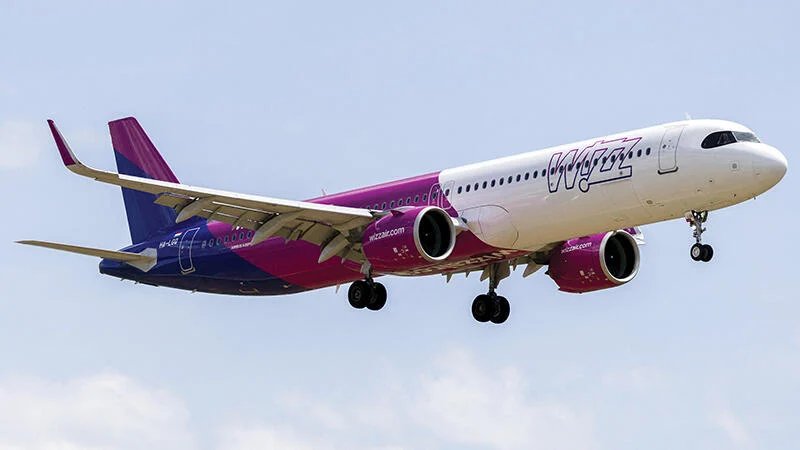
Notably, the strategy of ultra-low-cost carriers (ULCCs) remains a point of interest. Industry leaders, including the CEO of Wizz Air, have suggested that periods of economic strain often favor the low-cost model. By maintaining a lean operational structure, these carriers are often better equipped to absorb volatility than their larger, full-service counterparts.
Opportunity in the Cuts
The tightening of capacity by some major carriers is expected to create ripple effects throughout the global network. As legacy airlines trim their schedules to optimize profitability, the resulting void in certain markets is likely to create strategic opportunities for more nimble, low-cost competitors to capture market share.
“The bigger the crisis, the better for ultra-low-cost carriers,” has been a recurring sentiment among industry observers, suggesting that the current, more difficult landscape may actually accelerate market consolidation or shifts in dominance.
As the industry faces these mounting challenges, experts emphasize that the upcoming winter capacity adjustments will be the true test of post-pandemic financial health. With airlines required to balance the need for growth against the necessity of maintaining margins in a high-cost environment, the coming months will serve as a bellwether for the aviation sector’s stability heading into 2026.
For industry stakeholders, the key takeaway is clear: while the external environment is undeniably difficult, it is also providing a rare opportunity for carriers to pivot and refine their strategies to better withstand the volatile currents of the global aviation market.