







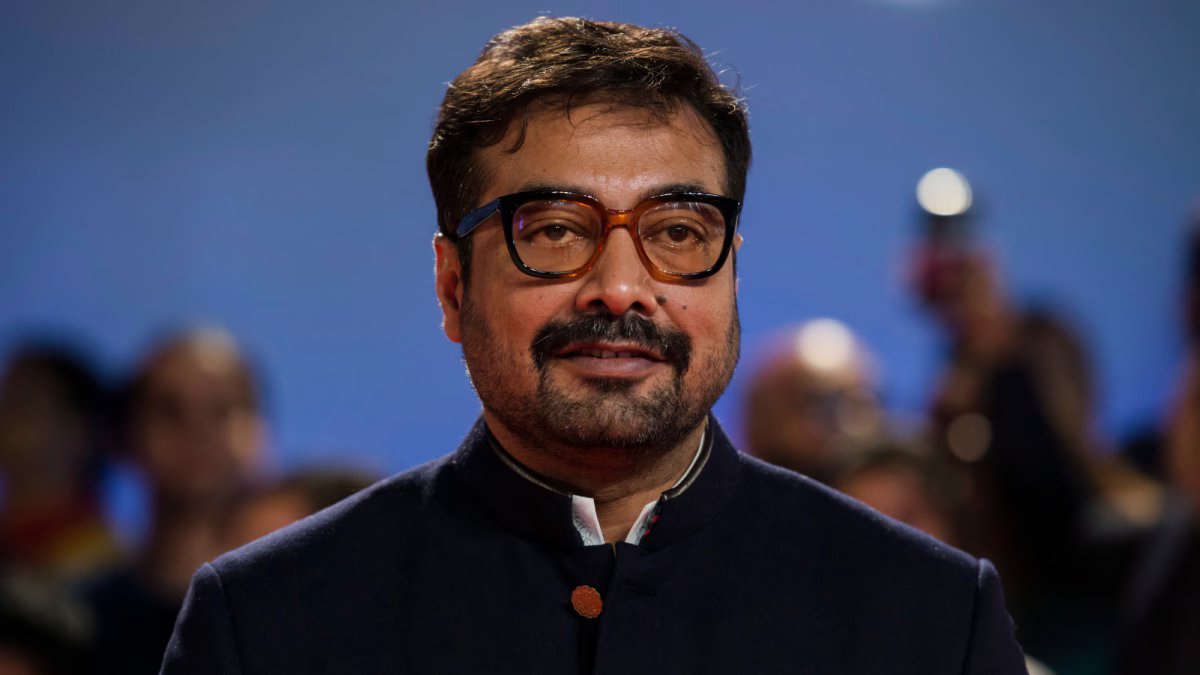
Filmmaker Anurag Kashyap has once again candidly addressed the complexities surrounding the Hindi film industry’s relationship with power, offering a nuanced explanation for what he perceives as its susceptibility to external pressures. He suggests that individuals within the industry, upon accepting certain benefits and making compromises with influential entities, find themselves in a challenging predicament from which it becomes incredibly difficult to extricate themselves. This “bending to power,” as he describes it, is not necessarily a voluntary act but rather a consequence of initial concessions that create an enduring obligation.
During a recent conversation with Janice Sequeira, Kashyap elaborated on this dynamic, highlighting a significant divergence between Bollywood and its counterparts in the southern Indian film industries. He argued that the regional cinemas of the south are inherently more resilient to such pressures due to their strong cultural foundations and regional identities. These industries, he noted, possess a distinct autonomy that Bollywood often lacks.
Kashyap contends that the initial “yes” to compromises, while potentially offering immediate advantages, ultimately traps individuals. He likened it to opening a door that cannot be easily closed, explaining that “Once you’ve said yes for a bunch of things, then you can’t shut it because that one yes also comes with huge amounts of benefits. And once you’ve taken those benefits, you can’t shut the door.” Despite recognizing the ethical dilemmas, those caught in this cycle often feel a sense of embarrassment and shame, yet remain unable to alter their course of action without significant personal or professional repercussions. This inability to withdraw, even when aware of the implications, explains why collective action against such pressures is rare, often requiring individual solicitation.
A crucial factor distinguishing southern film industries, according to Kashyap, is their regional strength and deep-rooted cultural identity, which makes them less prone to external manipulation. He specifically emphasized their independence from the Hindi-speaking market. Unlike Bollywood, which often seeks to expand its reach and financial viability by catering to a broader Hindi audience, southern cinema operates with a lesser dependence on this market. This self-sufficiency, Kashyap believes, grants them a greater degree of creative and commercial freedom, thereby reducing their vulnerability to compromises. “South doesn’t get compromised because they don’t depend on Hindi,” he succinctly stated, underscoring this critical difference.
These insights from Kashyap follow his recent public commentary on broader societal issues, including his support for CJP protests advocating for education reforms. His criticism of police actions against protestors, where he questioned the moral obligation of officers to follow orders they deem wrong, further illustrates his consistent stance against unchecked authority and ethical compromises. While actively engaged in filmmaking, with his most recent directorial venture being “Bandar” starring Bobby Deol, Kashyap continues to be a vocal and critical observer of both the film industry and contemporary Indian society.