








Advancing the Foldable Architecture: The Evolution of iPhone Duo
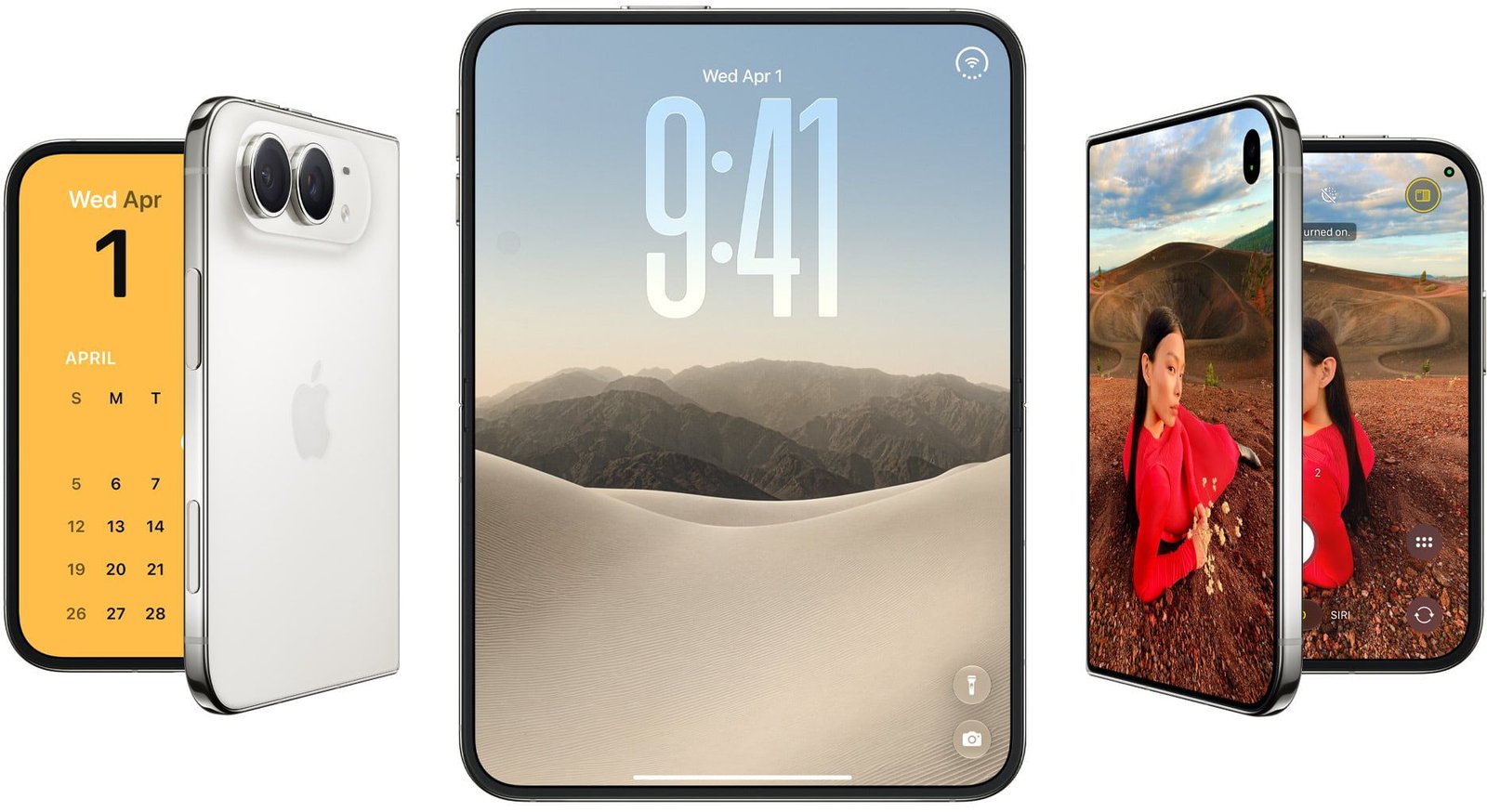
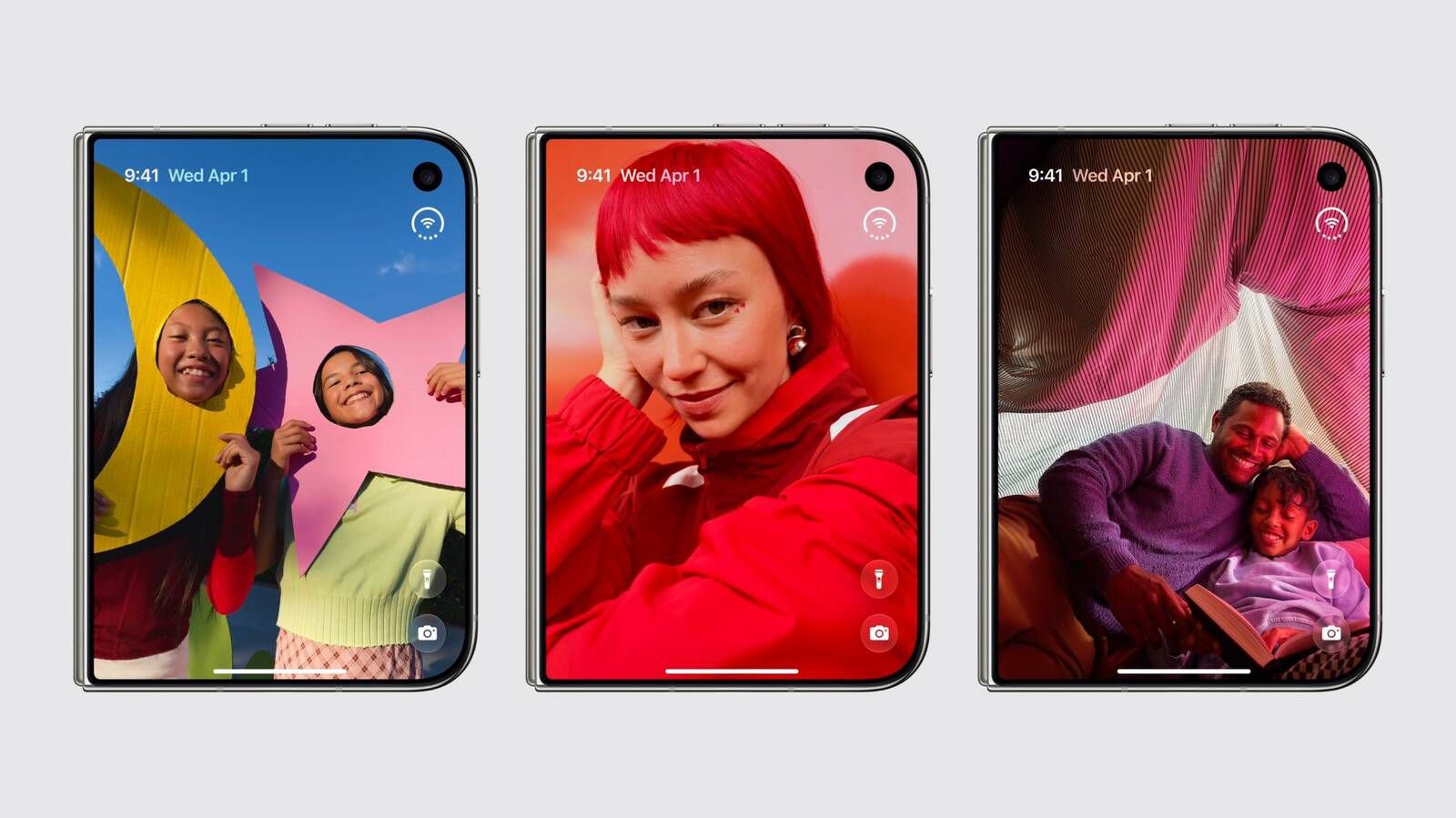
Apple’s recent foray into the foldable smartphone market with the debut of the iPhone Duo marks a significant shift in the company’s hardware trajectory. While the first-generation device emphasizes thinness and a seamless dual-display experience, current reports suggest that future iterations will focus on closing the feature gap between this foldable form factor and the flagship iPhone Pro line. Industry analysts indicate that the third-generation iPhone Duo is slated to integrate high-end biometric and optical hardware, specifically Face ID and a dedicated telephoto lens.
The original iPhone Duo utilizes Touch ID, a decision necessitated by the physical space constraints of such a slim, folding chassis. Fitting a full TrueDepth camera array—the hardware suite responsible for Face ID—into the thin housing of a folding device presents significant engineering challenges. However, the path forward appears to rely on a synthesis of component miniaturization and advanced computational photography, rather than simply increasing the device’s physical footprint.
The Role of Component Miniaturization
To incorporate Face ID into the iPhone Duo, Apple must navigate the limitations of current sensor modules. The TrueDepth camera system requires multiple components, including an infrared projector, a flood illuminator, and an infrared camera, all of which typically occupy a significant amount of surface area at the top of the display.
Engineers are expected to focus on shrinking these components without compromising their precision. This involves developing custom optics that maintain the required depth-sensing accuracy while occupying a smaller surface area. By reducing the physical size of these modules, Apple aims to maintain the ultra-thin profile that serves as the primary selling point of the iPhone Duo, ensuring that the integration of biometric security does not come at the expense of the device’s aesthetic or structural thinness.
Computational Photography as a Bridge
A critical component of Apple’s strategy for the third-generation iPhone Duo is the reliance on machine learning and artificial intelligence to augment hardware performance. In the context of the telephoto lens, this approach is transformative. Historically, a high-quality telephoto lens required significant physical depth to accommodate the optical zoom mechanics.
By leveraging advancements in computational processing, Apple intends to use smaller, less sophisticated camera hardware that works in tandem with powerful AI algorithms. This process, often referred to as “computational zooming,” uses data from the main sensor combined with specialized algorithms to simulate the focal length and image quality typically associated with larger, dedicated telephoto glass. This hybrid approach allows the device to offer professional-grade photography in a frame that would normally be too thin for such equipment. The shift represents a fundamental change in how Apple approaches hardware development, prioritizing software efficiency to resolve physical hardware limitations.
Impact on User Experience and Functionality
The integration of Face ID into the iPhone Duo will fundamentally alter how users interact with the device. Touch ID requires a physical touch point, which can be inconsistent in a folding form factor depending on how the device is oriented. Face ID offers a frictionless authentication method that works regardless of whether the device is folded or fully extended. This improvement is vital for the target audience of the iPhone Duo, which aims to provide a continuous, high-performance experience across both states of the display.
Furthermore, the addition of a telephoto lens expands the utility of the device for professional users. A foldable device with dual screens is already a powerful tool for productivity and multitasking. Adding a dedicated telephoto lens brings the iPhone Duo closer to the capabilities of the iPhone Pro series, effectively positioning the foldable as a primary device for mobile photographers and content creators who require versatile focal ranges.
Structural Challenges and Future Roadmap
The transition toward these advanced features is not immediate; it requires a multi-generational refinement of the device’s internal architecture. The first-generation iPhone Duo sets the standard for portability and display fluidness, but the roadmap through the third generation suggests a systematic upgrade path. Each iteration is expected to incrementally shrink the internal components, clearing the way for more sophisticated hardware.
As Apple continues to refine its foldable technology, the emphasis will remain on balancing the thin, sleek design with the feature set expected of premium smartphones. By successfully marrying computational power with specialized hardware, Apple is attempting to define the next standard for foldable devices. If successful, the third-generation iPhone Duo will likely serve as the benchmark, proving that users do not need to choose between a flexible form factor and a fully realized, professional-grade feature set.
This ongoing development illustrates the broader trend in consumer electronics where software-driven innovation is increasingly used to overcome the rigid boundaries of physical hardware design. As the iPhone Duo matures, the convergence of these technologies will likely dictate the next era of mobile design, pushing the boundaries of what is possible in handheld, folding technology.
Disclaimer: This content is auto-generated for informational purposes only.
Source: Read Original News