






The Quiet Triumph: Why Ashok Selvan’s ‘Anbil Avan’ Is Playing the Long Game
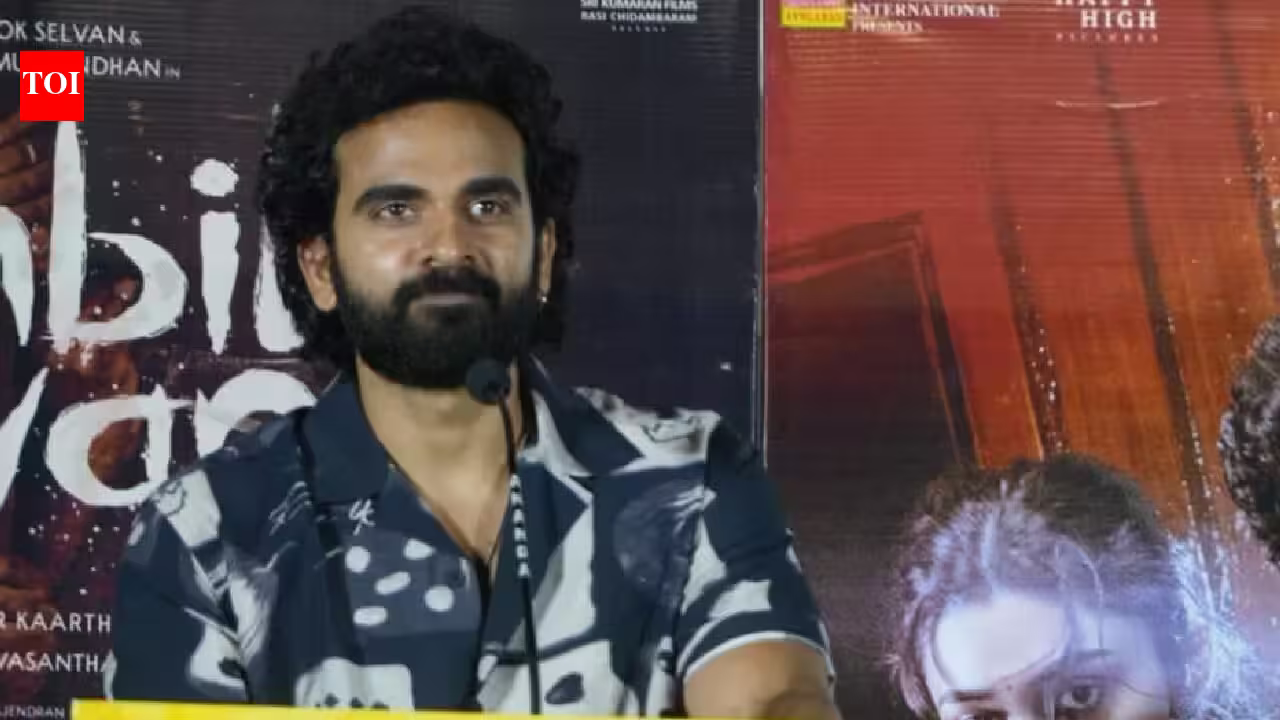
In an industry obsessed with opening weekend box-office numbers, the traditional metric for success has become increasingly cutthroat. One bad Friday can effectively kill a film’s reputation before the Sunday matinee even starts. However, actor Ashok Selvan is charting a different course. At the recent success meet for his latest outing, Anbil Avan, the actor offered a refreshing, candid perspective on the nature of cinematic reception, acknowledging the film’s imperfections while celebrating its undeniable longevity in the profit zone.
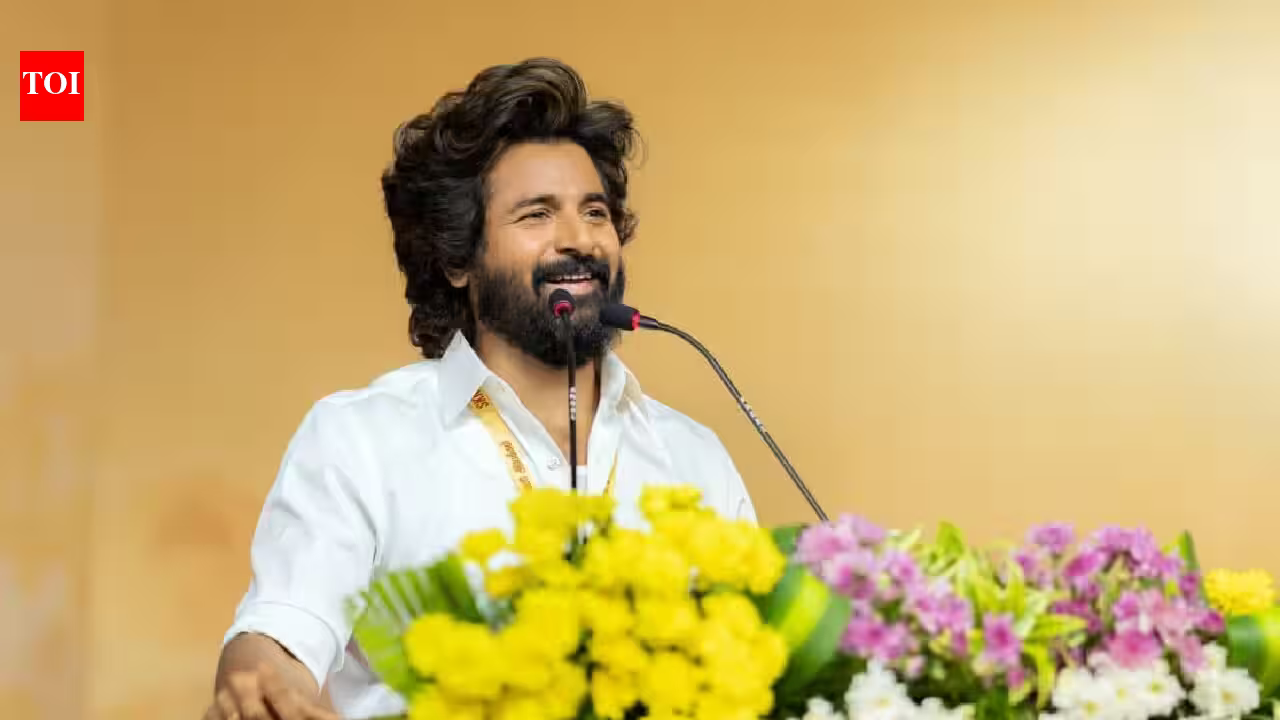
The mood at the event was less “glitz and glamour” and more “warm gratitude.” For Selvan, Anbil Avan—directed by R. Kaarthikeyan and featuring music by the soulful Govind Vasantha—represents a creative risk that has paid off in ways that don’t necessarily show up on a standard ticker-tape of blockbuster earnings.
The Power of the “Audience Evangelist”
When Selvan stood before the press, he didn’t lean into the typical hyperbole often associated with success meets. Instead, he zeroed in on a phenomenon that has become the lifeline of mid-budget cinema: word-of-mouth.
“My biggest thanks go to the people who watched and supported Anbil Avan,” Selvan noted, as reported by Filmibeat. “The positive word-of-mouth has worked beautifully for the film and has helped us reach more viewers.”
It’s a sentiment that speaks volumes about the current state of Tamil cinema. Audiences are no longer passive consumers; they are active curators. In an era where a single tweet can influence thousands, Anbil Avan found its rhythm not through massive marketing blitzes, but through a gradual, organic growth. Selvan emphasized that the team intentionally experimented with the genre—a “different approach” that challenged the traditional narrative expectations of the audience. By tapping into relatable emotional beats, the film managed to secure a foothold in the hearts of viewers who were looking for something a bit more grounded than the usual big-budget spectacle.
Owning the Imperfections: A Rare Honesty
Perhaps the most striking moment of the success meet was when Selvan addressed the critical reception of the film. It is rare for a lead actor to admit that their project isn’t perfect, yet Selvan did so with a level of maturity that is becoming his professional trademark.
“I cannot say that Anbil Avan is a perfect film. It has its flaws, and we accept that,” he stated bluntly. This isn’t just humility; it’s a strategic recognition of the film’s identity. By acknowledging the gaps in the narrative or the execution, he effectively disarms critics and aligns himself with the audience’s own observations.
He drew a compelling parallel to his earlier works, specifically Kootathil Oruthan and Nitham Oru Vaanam. Both films were not immediate, unanimous critical darlings upon release. They were “growers”—films that required a gestation period, finding their true audience long after the initial dust of theatrical reviews had settled. Selvan’s ability to recognize this pattern suggests a deep confidence in the shelf-life of his art. He isn’t looking for a sprint; he is running a marathon.
The OTT Horizon: A Second Wind for Storytelling
With the film having already crossed into the profit zone, the team is now looking toward the next phase of its life cycle: the OTT release. While the theatrical experience is often touted as the “be-all and end-all” of film viewing, Selvan is pragmatic about the digital landscape.
“I strongly feel the film will receive more love when it arrives on OTT,” he remarked. This prediction isn’t an admission of defeat; it’s an understanding of how modern viewing habits function. Many films that deal with nuanced relationships and intimate storytelling find a much more receptive audience in the home-viewing environment, where viewers are free from the distractions of the multiplex and can engage with the emotional weight of the screenplay at their own pace.
However, he was careful not to diminish the value of the big screen. He urged the public to catch the film in cinemas before its run concludes, highlighting that some experiences are simply better suited for the communal atmosphere of a theater. It’s a delicate balancing act—encouraging current ticket sales while acknowledging the inevitability of the digital discovery phase.
Redefining Success in the Modern Era
At the heart of this success story is a collaboration that prioritized substance over superficial polish. With R. Kaarthikeyan in the director’s chair and the atmospheric, emotionally resonant score by Govind Vasantha, Anbil Avan is a reminder that a film doesn’t need to be “perfect” to be meaningful.
The chemistry between Ashok Selvan and Preity Mukhundhan provides the emotional anchor for the film, and the audience’s willingness to stick with the project despite mixed early reviews is a testament to the fact that viewers are hungry for authentic, if imperfect, human stories.
As the theatrical run of Anbil Avan enters its final stages, the narrative surrounding the film is clear: it is a success born not of hype, but of perseverance. Ashok Selvan has managed to foster a loyal following that appreciates his willingness to take risks. Whether the film gains a “cult classic” status once it hits streaming platforms remains to be seen, but one thing is certain: the team behind Anbil Avan is content with the path they’ve chosen. In an industry that often discards films as quickly as it produces them, finding the profit zone through a steady, honest connection with the audience is, in itself, a significant victory.
For now, the actor’s message is simple: the journey of Anbil Avan is far from over—it’s just moving into a new chapter.
Disclaimer: This content is auto-generated for informational purposes only.
Source: Read Original News