









From Ozempic to EVs: Five Key Trends Reshaping the Australian Retail Landscape
The Australian retail and consumer landscape is undergoing a profound transformation. From the evolution of discount giants to a fundamental shift in how we power our vehicles and manage our health, the latest corporate earnings reports offer a revealing snapshot of a nation in flux. As consumer behavior shifts under the weight of cost-of-living pressures and new technology, major players are being forced to pivot their long-term strategies.
1. The “Anko-fication” of Retail
Kmart’s home brand, Anko, has evolved far beyond its humble origins as a purveyor of budget “dupes.” The Wesfarmers-owned powerhouse, which anchored a massive $11.7bn in sales last financial year, is now aiming upmarket. By introducing “one-up and two-up” pricing—offering higher-quality tiers alongside entry-level goods—Kmart is repositioning itself as a serious furniture rival to global heavyweights like Ikea. With six stores now operating in the Philippines, Anko’s global ambitions suggest the brand is no longer just a discount alternative; it is a full-scale retail ecosystem.
2. A Harder Sell for Domino’s
For decades, Domino’s Pizza has been a staple for budget-conscious families. However, the chain is currently executing a difficult balancing act: reducing its reliance on heavy discounting to protect franchisee margins, even as inflation tightens household budgets. While revenue in the Australian and New Zealand markets slipped by 11% this year, the company remains optimistic that a leaner, more sustainable model will prevail. The firm is now betting on a major menu refresh, including a switch to Coca-Cola products starting in September, to reinvigorate interest.
3. The Unexpected Side Effects of Weight Loss Drugs
Chemist Warehouse is witnessing a surprising retail phenomenon linked to the surge in GLP-1 weight loss drugs, such as Ozempic. Chief executive Vikesh Ramsunder revealed that patients on these medications are significantly increasing their spend on other lifestyle categories. According to company data, the shopping basket of a GLP-1 user is 40% larger than average, with customers buying more protein powders to mitigate muscle loss and, interestingly, more beauty and wellness products. It appears that as patients feel better, their discretionary spending follows suit.
4. The Electrification “One-Way Street”
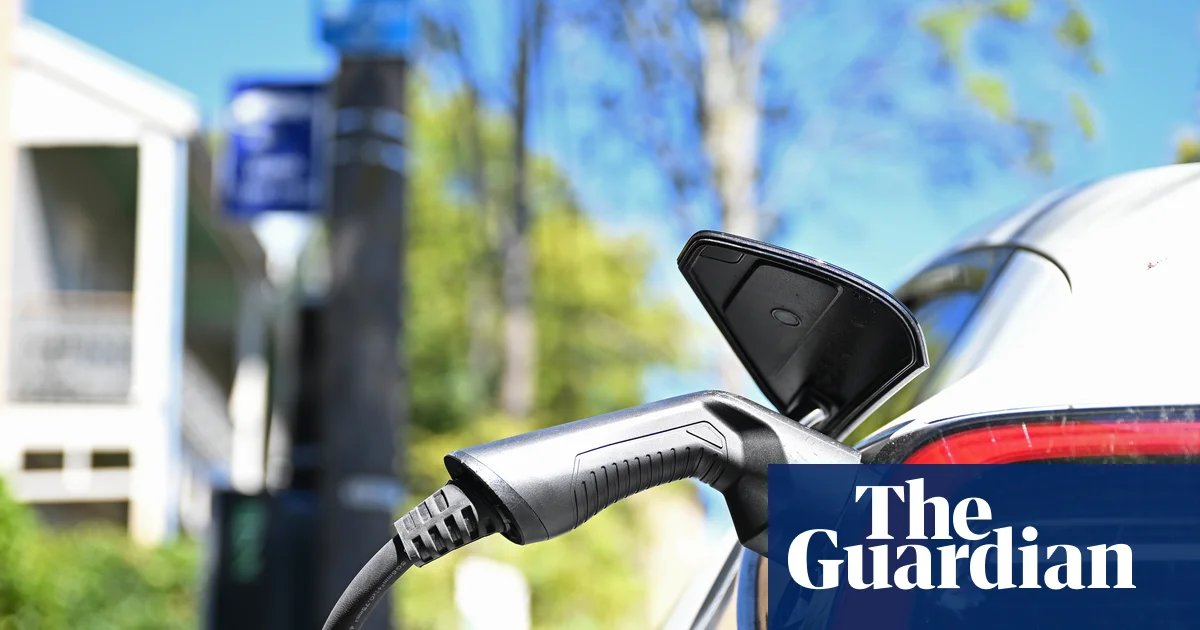
The transition of Australia’s automotive market is accelerating at a breakneck pace, fueled in part by high fuel costs linked to global geopolitical tensions. Eagers Automotive, the nation’s largest dealership operator, reports that the switch to electric and hybrid vehicles is now a “one-way street”—once a consumer makes the jump, they rarely revert to combustion engines. With EV and plug-in hybrid sales hitting a record 32% of all new vehicle purchases in July, the market is currently moving at triple the volume seen just 12 months ago.
5. The Sunset of Snail Mail
While other sectors grapple with growth, Australia Post faces an existential crisis. The service reported a $108m pre-tax loss, with letter volumes plummeting to levels not seen since the 1930s. As digital communication renders traditional mail obsolete for all but the most essential business and government correspondence, the cost of maintaining a national delivery network is becoming increasingly unsustainable. With the price of a basic stamp set to climb to $1.85 in September—a staggering increase from the 70c cost a decade ago—the future of the traditional letter looks increasingly precarious.