





Modernizing the Fleet: India’s Strategic Move to Acquire Eight Next-Generation Corvettes
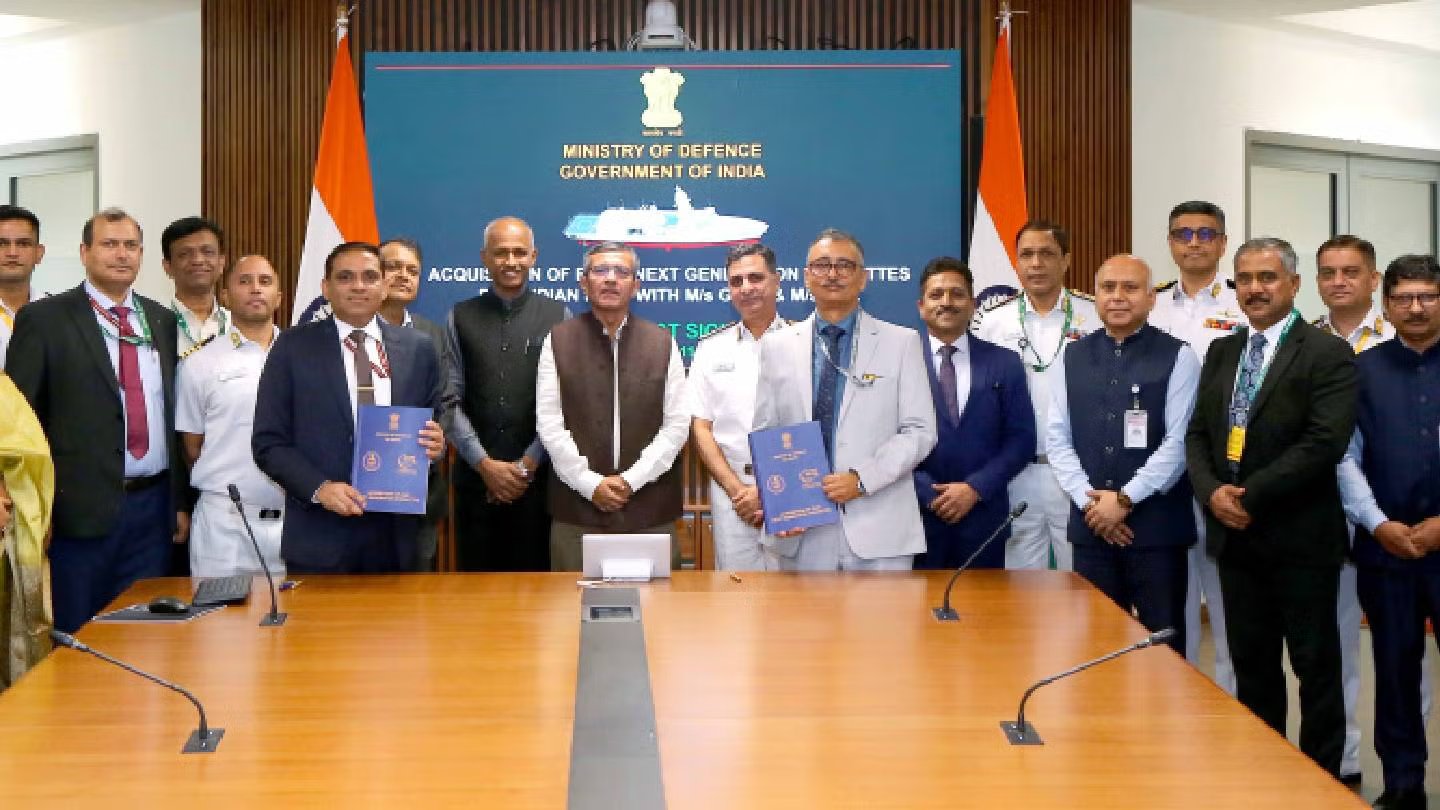
In a significant boost to its maritime security architecture, the Indian Ministry of Defence has finalized a landmark deal worth over Rs 538.8 billion ($5.6 billion) to acquire eight Next-Generation Corvettes (NGC). The contracts, signed on November 2 with public sector shipyards Garden Reach Shipbuilders & Engineers (GRSE) and Goa Shipyard Limited (GSL), mark a pivotal effort to modernize the Indian Navy’s surface combatant fleet.
Addressing an Ageing Fleet
The procurement comes at a critical juncture for the Indian Navy. According to data provided by analytics firm GlobalData, a substantial portion of India’s existing corvette fleet is nearing the end of its operational lifecycle. The firm’s Aerospace and Defense Fleet Size Dataset highlights that approximately 41.2% of the nation’s corvettes are over 30 years old, while an additional 23.5% fall into the 20-to-30-year bracket.
Only about 35% of the current fleet is under a decade old. This demographic imbalance creates an urgent requirement for replacement, as older vessels increasingly demand extensive maintenance periods that keep them docked rather than at sea. By replacing legacy platforms such as the Khukri and Kora-class vessels, the Navy aims to maintain consistent force levels and maritime availability.
Strategic Necessity Amid Regional Tensions
The push to revitalize the fleet is driven by shifting security dynamics in the Indian Ocean and the Arabian Sea. Harpreet Sidhu, an aerospace and defense analyst at GlobalData, noted that the necessity to bolster the fleet is exacerbated by the consistent presence of foreign naval powers.
As of early 2025, Indian naval leadership reported that the People’s Liberation Army Navy (PLAN) maintained a constant deployment of six to eight combatants in the Indian Ocean, alongside various research vessels. Furthermore, India faces mounting pressure in the Arabian Sea from Pakistan’s expanding submarine capabilities, particularly with the introduction of the Hangor-class submarines, which have recently demonstrated anti-ship cruise missile launch capabilities.
Capability and Versatility
The incoming NGCs are designed to be multi-role platforms featuring advanced stealth technology. These ships are expected to be deployed for critical maritime tasks, including merchant vessel escort, real-time surveillance, and the monitoring of foreign warships entering the Indian Exclusive Economic Zone.
“The new corvettes prioritize the preservation of fleet numbers first and the enhancement of capability second,” Sidhu explained. By inducting these modern ships, the Indian Navy can facilitate a phased, managed retirement of older vessels, ensuring that the service is not forced to retire platforms faster than replacements can be commissioned.
Ultimately, the acquisition is a calculated step to ensure India remains a dominant maritime power. As regional threats evolve, particularly with the proliferation of modern sub-surface warfare technology from adversaries, the reliance on aging, mid-20th-century technology is no longer tenable. With these eight new corvettes, the Indian Navy is signaling its intent to maintain a robust, high-readiness presence capable of securing its vast maritime interests against increasingly complex regional challenges.
Disclaimer: This content is auto-generated for informational purposes only.
Source: Read Original News