





India Steps Up Deep-Sea Tech Push Amid Global Mining Debate
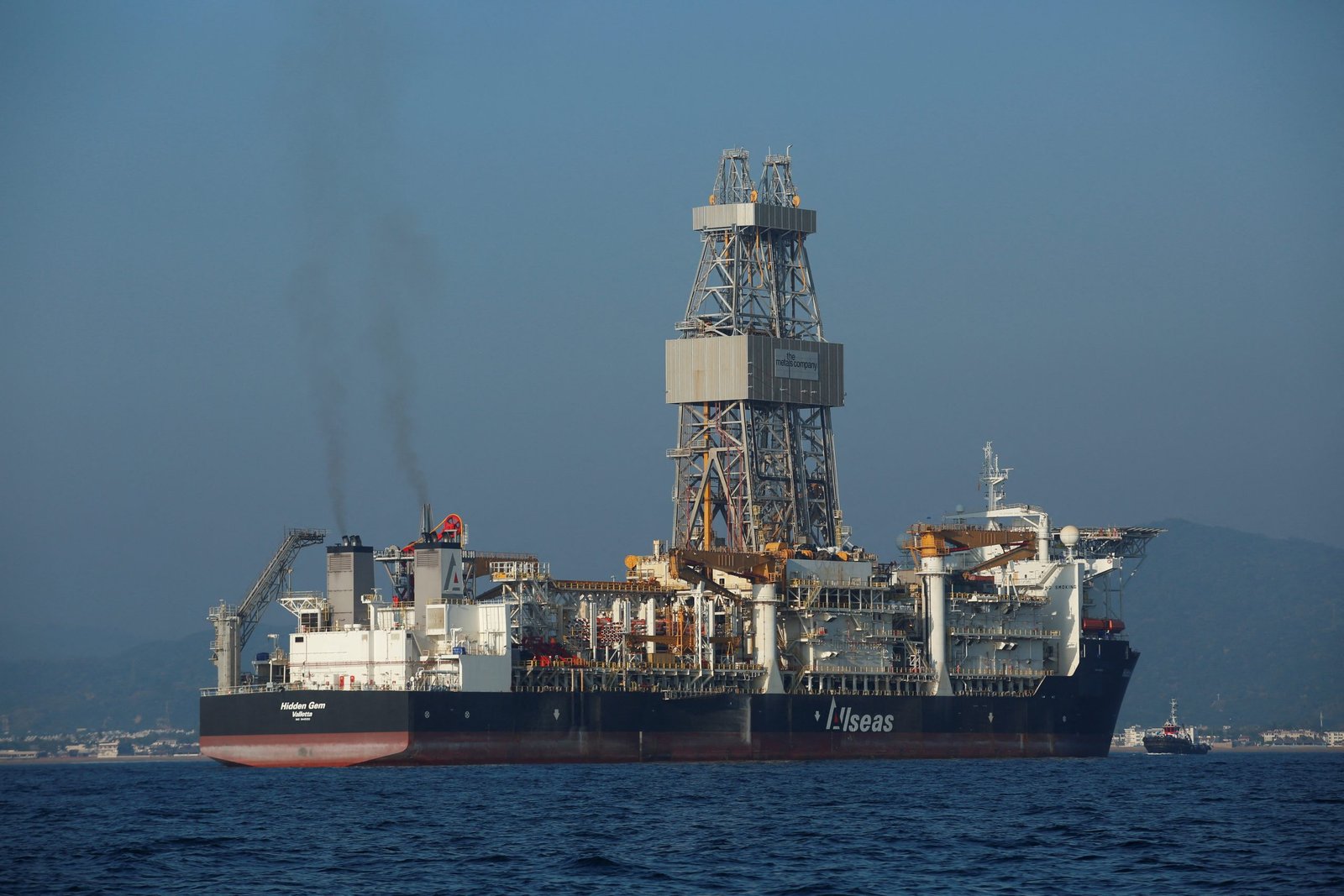
In a quiet corner of Chennai, scientists at India’s premier ocean technology institute are engineering the future of resource extraction. Researchers are currently finalizing a suite of sophisticated, high-pressure equipment—including remote-operated submersibles, seabed soil testers, and advanced slurry pumps—capable of functioning at depths of up to six kilometers. As the global race for critical minerals intensifies, India is positioning itself to be a frontrunner in the nascent deep-sea mining industry.
Strategic Ambitions and Global Competition
India’s drive is motivated by the necessity to secure raw materials like copper and zinc, which are essential for the manufacturing of wind turbines, storage batteries, and other clean energy infrastructure. By holding three exploration contracts with the International Seabed Authority (ISA), India joins the exclusive ranks of China and South Korea as a major state-backed player in deep-sea exploration.
Beyond the Central Indian Ocean Basin, where exploration for polymetallic nodules has been ongoing for over two decades, India has recently expanded its gaze toward polymetallic sulphides. Government officials maintain that these initiatives are vital for national mineral security and indigenous technology development. Despite a growing international movement—led by a coalition of 46 countries—calling for a moratorium on deep-sea mining due to environmental concerns, India appears committed to advancing its technical capabilities to ensure it is not left behind should the industry reach commercial viability.
Engineering for the Extreme
The technical challenges of operating in the abyss are immense. Beyond the development of specialized mining machinery, the nation is focused on the logistics of shipboard processing, trans-shipment, and refining the extracted materials. Experts suggest that while India has made significant strides in mapping the ocean floor, there remains a considerable gap between current exploration efforts and the reality of full-scale industrial exploitation.
Some analysts argue that for now, these initiatives serve as a form of “deep-sea real estate” acquisition. By investing heavily in operational capabilities, India is asserting its maritime presence and securing a foothold in a potential future market, even if the transition to actual mining remains distant.
The Biodiversity Dilemma
While the Ministry of Earth Sciences pushes for technological readiness, the potential ecological cost of these operations remains a point of intense contention. Marine scientists warn that the deep-sea floor is a fragile, largely uncharted ecosystem. Recent research by the Centre for Marine Living Resources & Ecology in Kochi has uncovered over a dozen new species in the Indian Ocean, underscoring how little is understood about these habitats.
Critics of the industry, including global conservation groups, argue that the disruption caused by sediment plumes and habitat destruction could be irreversible. They contend that the international community lacks the scientific data to accurately predict the long-term consequences of disturbing the seafloor. As the ISA continues to navigate the complex, often stalled negotiations regarding a formal “Mining Code,” India finds itself walking a narrow tightrope: balancing the hunger for energy-transition minerals with the global responsibility to protect the planet’s least-explored frontier.
Disclaimer: This content is auto-generated for informational purposes only.
Source: Read Original News