







Beyond Smog: New Study Unveils Hidden Health Crisis in India’s Growing Cities
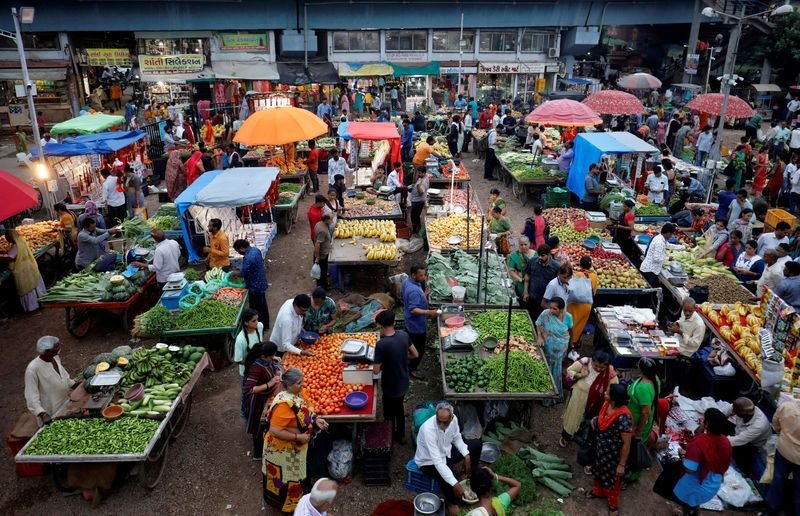
While air pollution has long been identified as the primary driver of premature mortality across India, a groundbreaking study by Princeton University researchers suggests that the nation’s urban centers are grappling with a complex, evolving set of health threats. The research, published in the Journal of Industrial Ecology, warns that extreme heat, noise pollution, and sedentary lifestyles are becoming critical, underrecognized killers in India’s rapidly urbanizing landscape.
Led by Anu Ramaswami, a professor of civil and environmental engineering at Princeton, the study provides a comprehensive look at the “Urban Burden of Disease.” By analyzing data across 42 Indian cities, the research team highlights how the health risks shift as populations transition from rural to urban environments.
Redefining Urban Health Risks
For years, national health data has focused on issues like poor sanitation and the use of solid cooking fuels—risks that remain prevalent in many Indian households. However, the Princeton study reveals that as cities develop, they encounter a new, layered profile of health dangers.
In the capital city of Delhi, for instance, the most significant threats to life—outside of outdoor air pollution—include rising temperatures, a lack of physical activity, poor diet, and pervasive noise pollution. “If you looked at the national disease burden, those would not pop up,” Dr. Ramaswami explained. She emphasized that because national surveys often aggregate data from vast rural areas, the specific, mounting pressures of city living are frequently obscured.
The study employed a “heat map” to track these risks, revealing that different cities face different crises. While Delhi struggles with modern lifestyle-related factors, other major hubs like Mumbai and Bengaluru continue to battle significant mortality risks linked to inadequate sanitation and water infrastructure.
The Cumulative Impact of Urbanization
The researchers, including co-author Ajay Nagpure, utilized the Global Burden of Disease framework to quantify how urban infrastructure directly influences life expectancy. By modeling the “population attributable fraction,” the team was able to distinguish between generic health issues and those specifically caused by the built environment.
The findings highlight a paradox of progress: while urban centers generally offer better access to treated water and gas-based cooking fuels than their rural counterparts, they simultaneously introduce hazardous conditions. Overcrowding and a decline in physical activity—particularly among higher-income urban residents—have become significant health barriers.
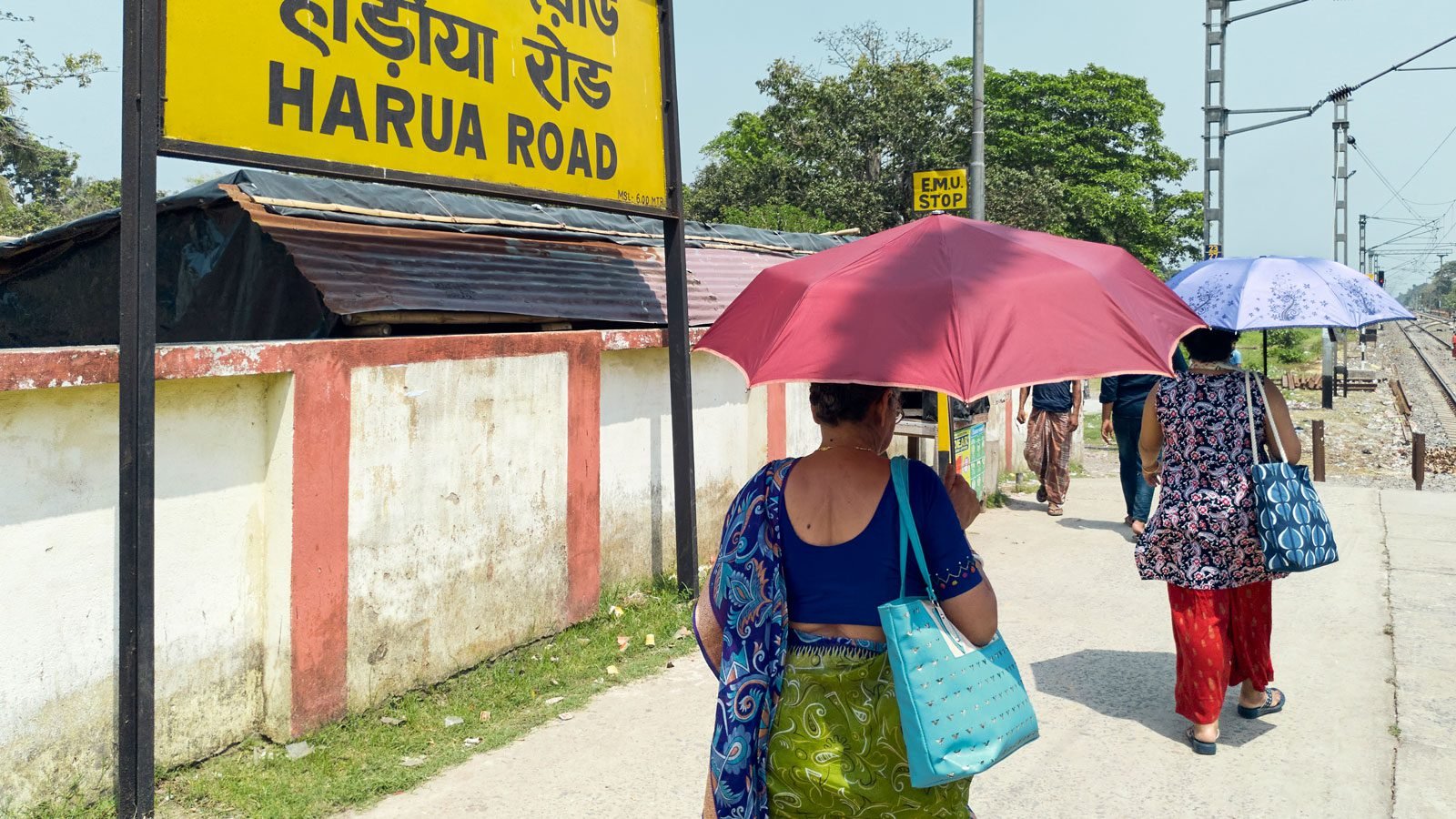
Furthermore, the study sheds light on the chronic, long-term effects of environmental stressors. Nighttime heat exposure, which hinders the body’s ability to recover, is identified as a contributor to cardiovascular and kidney disease. Similarly, the constant, low-level stress induced by urban noise pollution is linked to sleep disturbances and elevated heart risks.
A Roadmap for Policy Makers
The research serves as a vital tool for urban planners, offering a clear metric to evaluate how specific policies can improve public health. Dr. Ramaswami notes that many environmental interventions are dual-purpose; for example, shifting to electric vehicles not only lowers greenhouse gas emissions but simultaneously reduces noise and improves air quality.
“This analysis gives policy makers a holistic view of what should be done to best improve living conditions for their people,” said Armistead Russell, a professor at Georgia Tech who reviewed the findings. The study confirms that urbanization does not simply decrease health risks; it transforms them, requiring a shift in government focus toward long-term infrastructure and lifestyle management.
As Indian cities continue to expand, the researchers suggest that addressing these health challenges will require a blend of robust governance and market innovation. From promoting active transport to embracing clean energy alternatives, the “market is ripe” for solutions that prioritize human well-being. By establishing this new baseline for urban health, the Princeton team hopes to empower city officials to build safer, more resilient environments for the millions of citizens calling India’s cities home.
Disclaimer: This content is auto-generated for informational purposes only.
Source: Read Original News