









India to Ease BIS Certification Norms to Bolster High-Tech Manufacturing Push
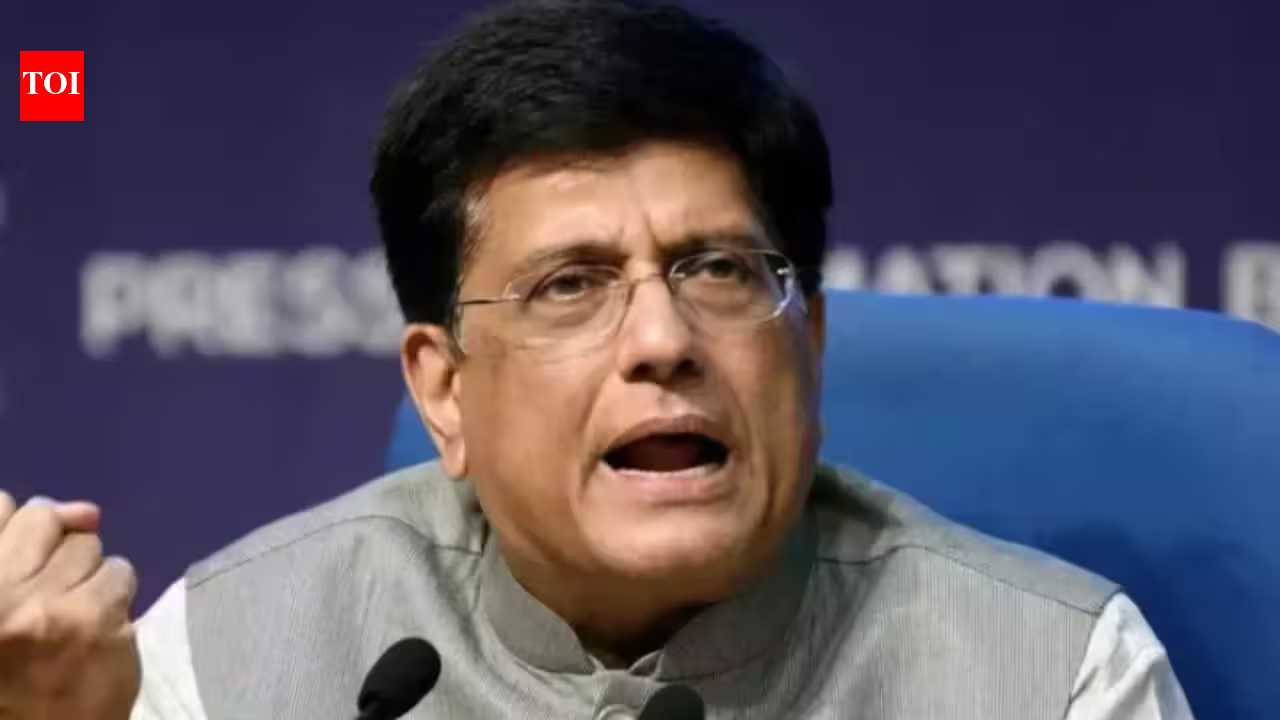
TOKYO — In a strategic move to accelerate India’s ascent as a global manufacturing hub, Union Minister of Commerce and Industry Piyush Goyal announced during his visit to Tokyo that the government is drafting a new framework to exempt high-tech equipment from certain Bureau of Indian Standards (BIS) certification requirements.
The proposed policy shift is aimed at streamlining the entry of critical machinery and components for global companies looking to set up manufacturing operations under the government’s flagship Make in India initiative.
Removing Bottlenecks for High-Tech Investors
During his interactions with leaders in the semiconductor and Artificial Intelligence sectors in Japan, Minister Goyal emphasized that the current regulatory landscape must evolve to accommodate the complexities of advanced technology manufacturing.
“I have instructed the BIS and the Ministry of Commerce and Industry to work on a framework to support high-tech industries—not necessarily limited to Japanese companies—to promote the ‘Make in India’ program,” Goyal stated. He noted that requiring standard BIS certification for highly specialized equipment—often produced in small batches by global leaders—was an unnecessary hurdle.
“It is a very logical step. When companies come to produce high-quality semiconductor products, they are bringing high-quality components into the country. You are not going to compromise on quality even if it comes cheaper,” the minister added.
Goyal suggested that the government is exploring a flexible, tiered approach to these exemptions, which could be implemented at the company or industry level. This would ensure the timely supply of equipment necessary for establishing cutting-edge fabrication units in India. Additionally, the government has committed to reviewing and clarifying Special Economic Zone (SEZ) notifications that have previously caused concern among foreign manufacturers.
Enhancing the Ecosystem for Global Talent
Beyond technical and regulatory reforms, the Indian government is focused on creating a holistic environment for international investors. Goyal expressed a strong commitment to establishing India as a primary base for electronics and semiconductor manufacturing, promising to “roll out the red carpet” for Japanese firms. This includes a dedicated push to develop robust social infrastructure—such as schools, housing, and healthcare facilities—to support the families of expatriate employees relocating to India.
Engagement with Financial Heavyweights
In a parallel track of high-level meetings, Minister Goyal engaged with several major institutional investors, including MUFG, the Development Bank of Japan (DBJ), Mizuho, Morgan Stanley, Nomura, and Nippon Life.
While the investors expressed a bullish, long-term strategic outlook on the Indian market, they also communicated key areas for improvement. Discussions focused on:
- Profit Repatriation: Investors requested simpler, more efficient processes for moving earnings back to their home markets.
- Market Access: There were calls for improved access to Indian capital markets.
- Regulatory Stability: Institutional players emphasized the need for greater regulatory predictability to support long-term investment cycles.
The meeting highlighted a mutual understanding: while short-term investment decisions may be influenced by currency volatility and evolving policy frameworks, the global appetite for India’s manufacturing growth remains exceptionally high. With these proposed reforms, the government aims to bridge the gap between investor expectations and India’s goal of becoming a global technology powerhouse.