







The Hidden Cost of Scarcity: How Climate Change and Caste Collide in India’s Parched Heartland
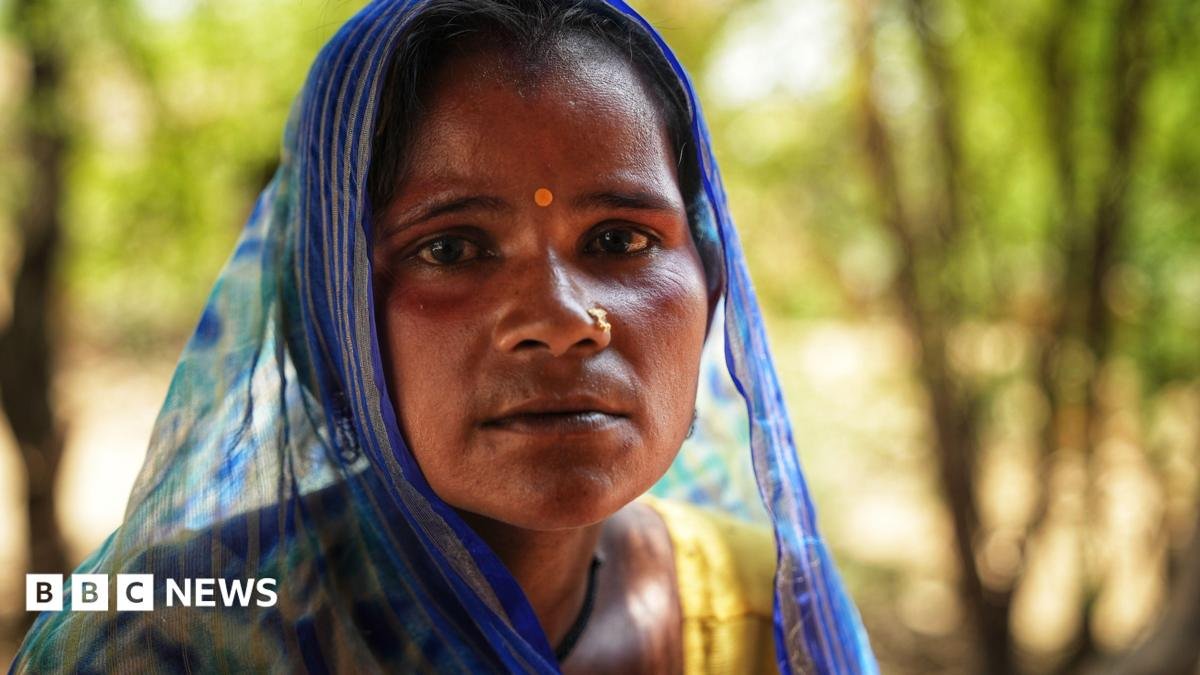
JALAUN, INDIA – Shortly after sunrise, the daily marathon begins for 40-year-old Mamta. Before the morning heat reaches a stifling intensity, she embarks on the first of ten grueling trips to the village handpump. Balancing empty plastic buckets, she traverses the dusty paths of her village in the Jalaun district, located in the heart of India’s drought-prone Bundelkhand region.
With regional temperatures frequently surging above 40C, water is a precious commodity. However, for Mamta and her 1,000 neighbors, the situation has become critical. State-sponsored drinking water taps, installed with the promise of reliability, have sat bone-dry for two years, leaving the community entirely dependent on a dwindling number of functional handpumps.
For Mamta, the struggle is twofold: the environmental toll of a changing climate and the persistent shadow of an ancient social hierarchy.
A Double Burden
As a member of the Valmiki community, Mamta is part of India’s Dalit population—historically marginalized groups once relegated to the status of “untouchables.” Despite constitutional protections, the scourge of caste-based discrimination remains a painful reality in many rural areas.
When Mamta arrives at the communal pump, she does not simply wait in line. She waits in silence until members of the village’s dominant castes have finished their business.
“If they are standing there, we cannot fill water. We have to wait until they leave,” Mamta explains. The humiliation does not end there. She recounts how, after she finishes collecting her water, upper-caste residents often perform a ritual of “cleansing” the pump with water, a practice she says has been enforced for decades.
A Region Under Fire
The plight of Mamta’s village is inextricably linked to the broader environmental crisis unfolding in Bundelkhand. A semi-arid expanse covering parts of Uttar Pradesh and Madhya Pradesh, the region has long been a symbol of water scarcity in India. Between 2002 and 2016, the area endured a series of devastating droughts, cementing its reputation as one of the country’s most ecologically fragile landscapes.
The geography of the Bundelkhand plateau exacerbates these challenges; its rocky terrain offers poor groundwater retention, making the region highly sensitive to erratic rainfall. Compounding this, climate change is rapidly shifting the baseline for survival. Scientific studies spanning over a century of weather records confirm a steady upward trajectory in temperatures. In recent summers, parts of the region have neared a blistering 48C.
While the government and various NGOs have invested in conservation efforts, the unpredictability of the weather has left many of these initiatives struggling to keep pace. For women like Mamta, the dual impact of systemic inequality and climate change has turned the fundamental necessity of water into a daily battle for dignity.
As the planet continues to warm, the residents of Bundelkhand are finding that the most vulnerable often pay the highest price, forced to carry the weight of both a changing climate and the unyielding weight of history.