








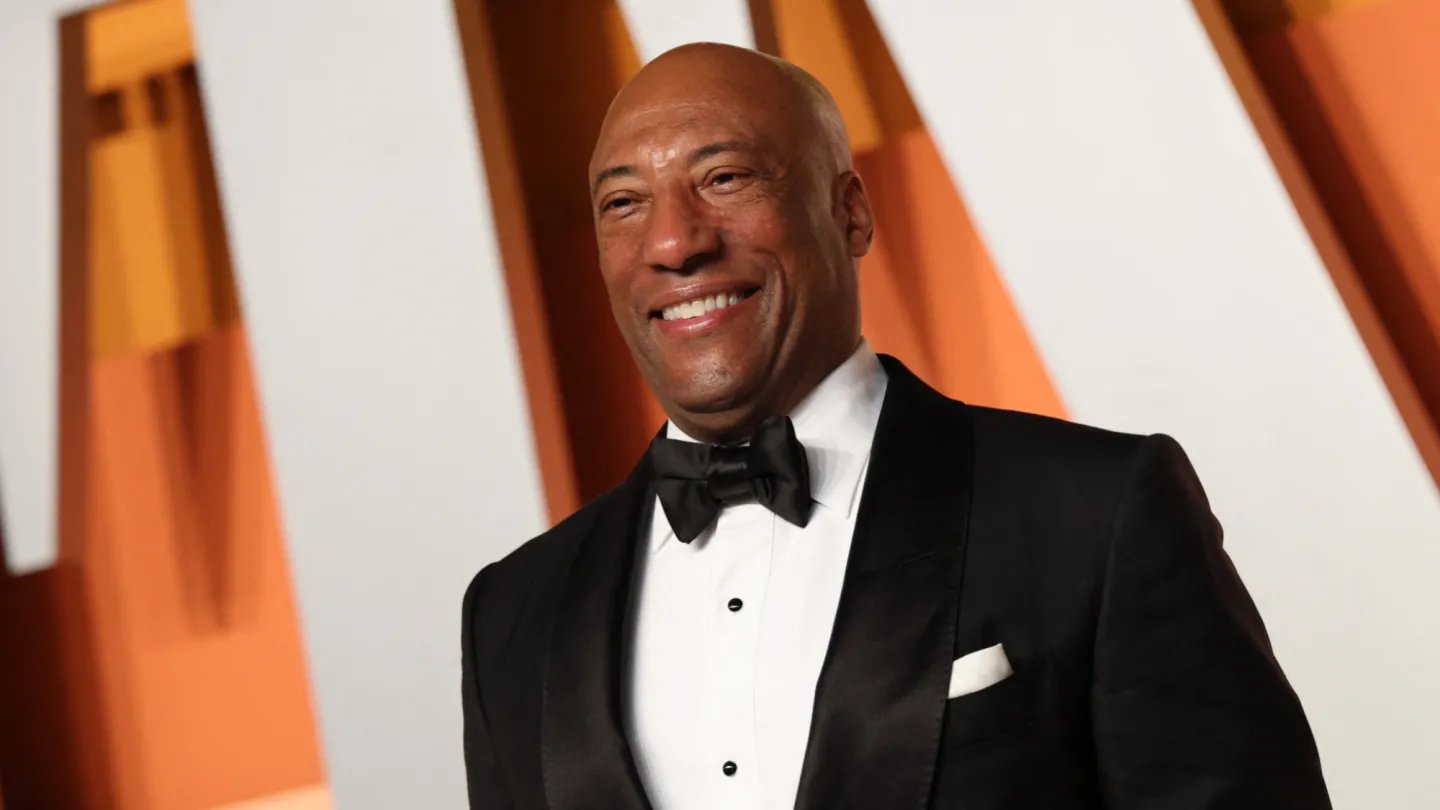
Media mogul Byron Allen has officially exited his investment in Starz, signaling a sudden reversal in his strategy to become a major player in the premium streaming landscape. Regulatory filings submitted to the Securities and Exchange Commission (SEC) on Thursday confirm that Allen has liquidated his entire 10.7 percent stake in the network, which separated from Lionsgate just last year.
The move marks a swift financial win for Allen’s family office. After acquiring the shares from Steve Mnuchin’s Liberty 77 investment fund earlier this year for approximately $25 million, Allen sold the entirety of his position throughout August and September. According to the disclosure, the sale netted him just under $45 million, representing a substantial return on investment in a relatively short window of time.
A Shift in Streaming Ambitions
The divestment is particularly notable given the aggressive public stance Allen took only months ago. When he first acquired the stake, Starz leadership responded by implementing a “poison pill” defense—a corporate strategy designed to prevent hostile takeovers and dilute the influence of an investor looking to seize control.
At the time, Allen was unfazed by the company’s defensive maneuvers. In interviews, he openly declared his intent to acquire the entirety of Starz, positioning it as a cornerstone for his broader media empire. He aimed to integrate the platform into his existing portfolio to complement his acquisition of BuzzFeed, suggesting that a dedicated SVOD (subscription video-on-demand) service would be a key driver for his digital expansion. By leveraging the scale of BuzzFeed alongside a premium streaming brand, Allen had hoped to create a powerhouse capable of competing with established industry incumbents. His decision to cash out now suggests a pivot in that overarching strategy.
Starz’s Turnaround and Content Strategy
While Allen departs, Starz appears to be finding its footing independently. In its third-quarter earnings report released on Thursday, the company showed promising signs of stability, reporting increased revenue and a reduction in net losses. Executives pointed to the continued strength of marquee franchises such as Power and Outlander as the primary engines behind this fiscal improvement. As the platform continues to refine its content library, its independence from the wider Lionsgate corporate structure seems to be yielding operational clarity.
The Future of Media Consolidation
Allen’s retreat from Starz does not mean he is stepping back from the broader digital media landscape. His existing properties, which include The Weather Channel and the streaming platform HBCU Go, remain central to his business model. Furthermore, his recent acquisition of a controlling stake in BuzzFeed remains a vital component of his long-term goal to disrupt traditional advertising and video consumption.
Industry analysts are now looking toward how AI and programmatic distribution will shape the future of media companies like those owned by Allen. With the rise of AI-driven content personalization and the shifting economics of digital streaming, players like Allen are increasingly focused on building high-margin, scalable ecosystems. Whether his exit from Starz was a tactical move to free up capital for other acquisitions or a realization that the streaming market is becoming too capital-intensive to dominate, his next move in the tech and media space will likely rely on integrating his digital properties with more sophisticated data and advertising tech.
As the streaming wars transition into a phase of consolidation and profitability, the landscape remains volatile. Allen’s exit highlights the rapid pace of change for investors looking to balance the allure of premium content with the harsh realities of streaming platform overhead and platform competition.
Disclaimer: This content is auto-generated for informational purposes only.
Source: Read Original News