









A Winter Invitation for Rare Visitors
As the frost settles on the grass and the days grow shorter, our gardens often turn into quiet retreats. While we might be tempted to head indoors with a warm cup of tea and a thick blanket, the chilly months offer a unique opportunity to witness some of nature’s most fascinating visitors. If you have been looking for a reason to step outside and reconnect with the natural world, transforming your outdoor space into a sanctuary for rare birds is a rewarding pursuit.
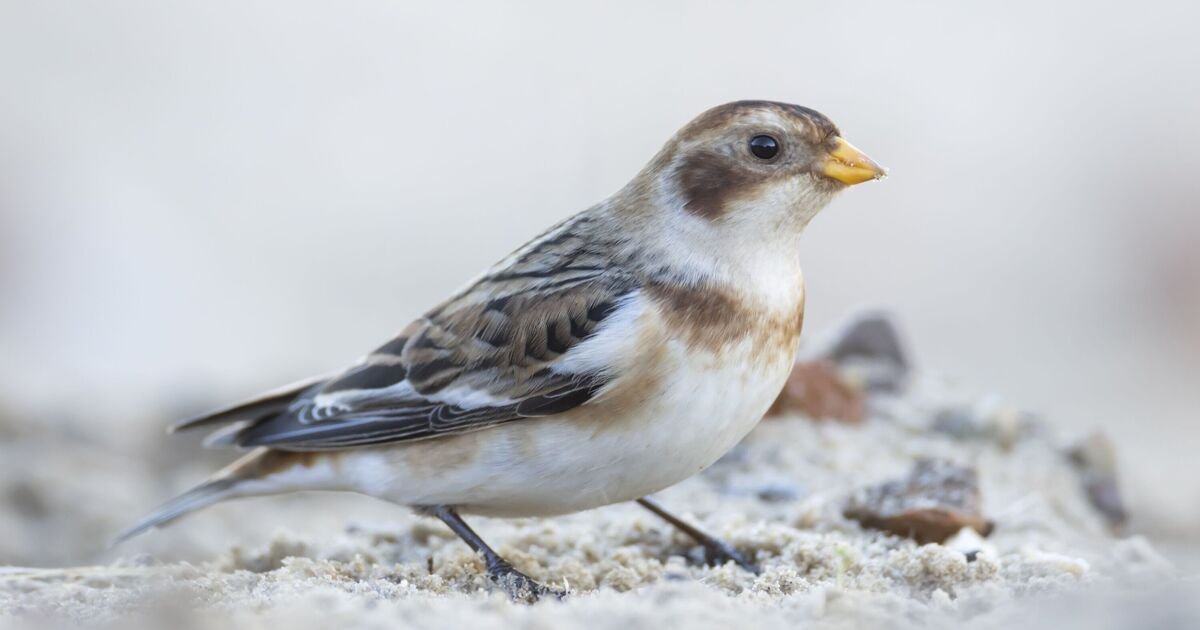
Attracting wildlife to your backyard is about more than just tossing a few crumbs on the patio. It requires a bit of observation and a shift in how we approach our garden layouts. This November, keep your binoculars ready and your eyes on the horizon, because you might just catch a glimpse of the elusive snow bunting. These striking creatures, known for their snowy, mottled plumage, make their way south for the winter, and if you live near the coast or open farmland, your garden could be their perfect pit stop.
Understanding the Preferences of the Snow Bunting
The secret to hosting snow buntings is simple, but it contradicts how most of us feed our regular garden guests. While we are accustomed to hanging colorful feeders filled with sunflower hearts or nyjer seeds from tree branches, these visitors have different habits. They are ground feeders. If you keep your offerings suspended high in the air, these birds will likely fly right over your property without a second glance.
To invite them down, designate a clear, open patch of ground for your bird snacks. By placing seed mixes directly on a clean, flat surface or a ground tray, you mimic their natural foraging environment. Remember that these birds are somewhat shy, so try to keep the feeding area in a quiet part of the yard where they feel secure enough to land and spend a few minutes dining. Providing this ground-level buffet is the single most effective way to improve your chances of an encounter with these rare, amber-listed treasures.
Keeping Your Backyard Buffet Safe
Welcoming birds into your garden carries a level of responsibility. When the temperature drops, natural food sources become scarce, and birds rely heavily on the supplies we provide. However, we must ensure that our help does not inadvertently cause harm. Hygiene is the most critical factor in winter bird care. Feeders, bird tables, and ground trays can quickly become breeding grounds for bacteria if not maintained properly.
Always ensure that food is eaten within a day or two. If you notice uneaten seeds or suet sitting around for days, it is time to reduce the amount you are putting out. A build-up of old, damp, or moldy food is a major health risk. Take a few minutes each week to wash your feeding stations with a mild, bird-friendly disinfectant. This simple routine keeps your garden a healthy hub for every feathered friend that stops by for a meal.
Selecting the Right Winter Menu
Choosing the correct fuel for your visitors is another way to ensure they survive the cold season. From November through April, the birds in your garden need high-energy foods that provide plenty of warmth and stamina. Seeds, peanuts, mealworms, and high-quality suet are excellent choices during this time.
Suet is particularly beneficial because it offers a dense source of fat that helps birds maintain their body temperature during freezing nights. If you are specifically targeting ground-feeding species like the bunting, look for seed mixes that contain a variety of grains, as this provides a balanced nutritional profile. Just remember to store your bird food in a cool, dry place away from rodents, and keep an eye on your inventory so you can adjust the portions based on how many birds visit your home each day.
Observing Nature Without Interference
Finally, it is vital to remember that these creatures are wild and sensitive to human presence. Snow buntings, in particular, are protected under specific wildlife legislation, which means they should never be disturbed. If you are lucky enough to see one, enjoy the moment from a distance. Using your kitchen window as a natural hide allows you to watch them undisturbed while staying cozy inside.
Creating a garden that supports local and migratory wildlife is a fulfilling project that brings a sense of wonder to the mundane tasks of daily life. By making these small adjustments to your feeding routine, you turn your patch of earth into a significant waypoint for birds traveling thousands of miles. Whether you see a common robin or a rare snow bunting, every visitor is a reminder of the beautiful, wild world thriving just outside your door.
Disclaimer: This content is auto-generated for informational purposes only.
Source: Read Original News