







Strategic Rationale Behind the Extended Risk Coverage
The recent decision by the Indian government to extend the risk coverage facility for shipments—part of the Resilience and Logistics Intervention for Export Facilitation initiative—until March 2027 represents a calculated response to a volatile global maritime landscape. By maintaining a safety net that covers up to 95 percent of risk for exporters, the administration is effectively neutralizing the financial trepidation caused by persistent geopolitical instability in West Asia. The Strait of Hormuz and the broader Red Sea region remain critical conduits for Indian trade, accounting for a significant portion of the country’s energy imports and non-oil exports to Europe and the Middle East.
This extension provides a vital buffer for the Indian micro, small, and medium enterprises (MSMEs) that typically operate on thin profit margins. When shipping routes are disrupted—whether through vessel sinkings, piracy threats, or regional conflicts—insurance premiums for maritime cargo typically spike, rendering smaller exporters unable to absorb the cost. By guaranteeing a high degree of coverage, the government ensures that these entities remain competitive in the global market despite the adverse logistics climate. The move is not merely a temporary relief measure; it is a structural intervention designed to keep the national export pipeline flowing during a period of sustained international uncertainty.
Impact of Geopolitical Instability on Maritime Logistics
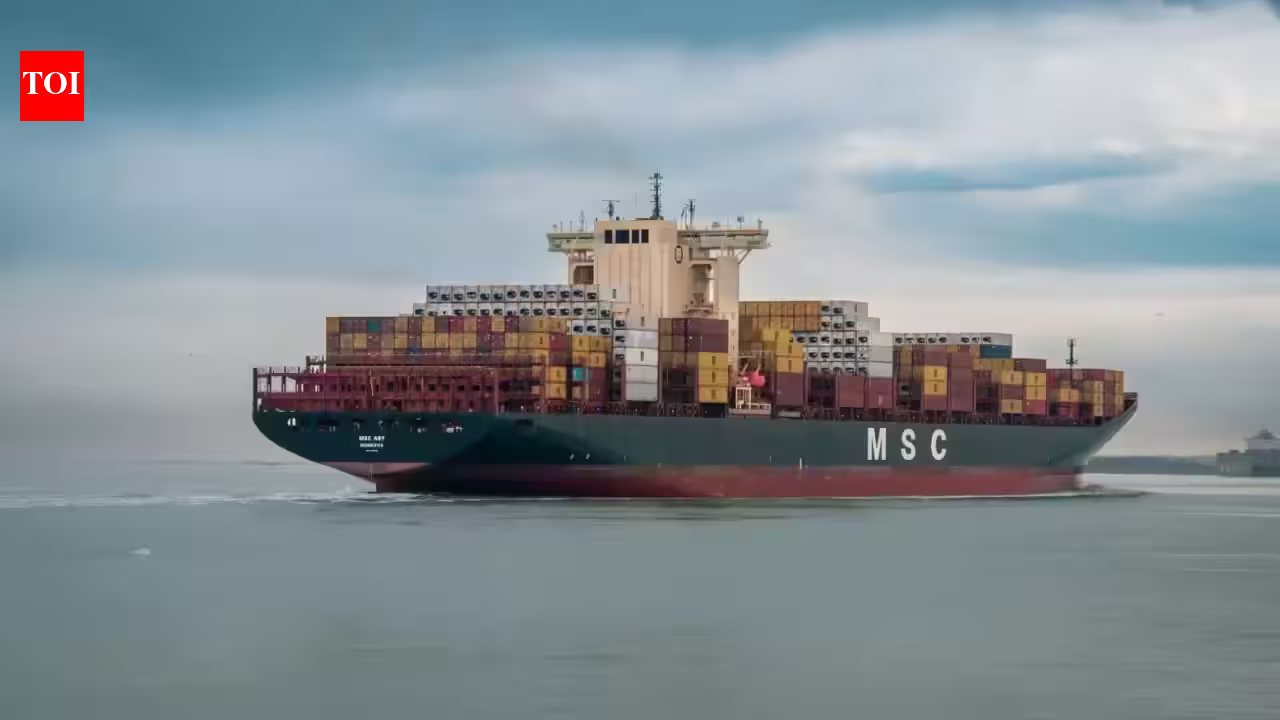
The maritime logistics sector is currently grappling with a triad of challenges: increased insurance costs, longer lead times due to route diversions, and higher fuel consumption. The situation near the Strait of Hormuz, exacerbated by localized conflicts and security threats, has forced shipping lines to recalibrate their operations. For Indian exporters, this means either absorbing the cost of rerouting vessels—often around the Cape of Good Hope—or facing exorbitant premium surcharges from marine insurers.
These disruptions have a compounding effect. When a vessel is delayed or a shipping lane becomes high-risk, the cycle of capital flow is interrupted. An exporter waiting for payment upon “bill of lading” confirmation experiences a liquidity crunch if the shipment is held up in a volatile zone. The government’s intervention serves as a financial bridge, ensuring that the inherent risks of maritime trade do not paralyze the working capital of Indian firms. By insulating the trade sector from the direct fiscal repercussions of regional instability, the policy maintains export momentum, which is crucial for achieving India’s ambitious targets for outward merchandise trade.
Navigating the Evolving Landscape of Export Insurance
The Resilience and Logistics Intervention for Export Facilitation goes beyond standard commercial insurance. In a traditional market environment, underwriters are quick to increase premiums or exclude certain territories when security risks rise. Left to the private market alone, many Indian exports to Europe or the Middle East would become uninsurable or economically non-viable. The government facility functions as a sovereign-backed assurance, prioritizing trade continuity over pure actuarial profit.
This mechanism is particularly significant for the Indian context, where the transition toward high-value manufacturing and complex supply chains requires a stable logistics environment. As India seeks to position itself as a reliable alternative to other manufacturing hubs, the stability offered by this risk coverage becomes a selling point. International buyers are often hesitant to source from regions perceived as volatile; knowing that the Indian government provides robust risk mitigation for its exporters acts as a confidence booster. This creates a perception of reliability that is essential for long-term trade partnerships, especially during times of global supply chain tremors.
Synergy Between Logistics and National Trade Policy
This extension is aligned with the broader “Make in India” initiative and the aim to scale up exports to reach the $1 trillion mark. Logistics costs in India have historically been higher than global averages, often cited as a bottleneck for competitiveness. By capping the risk exposure of exporters, the government is indirectly reducing the hidden “volatility tax” that logistics challenges impose on trade. When firms do not have to earmark large portions of their capital for potential maritime losses or ballooning insurance costs, that capital is redirected toward production capacity, innovation, and market expansion.
Furthermore, the extension until March 2027 provides a clear policy horizon, allowing businesses to plan their operations with certainty. Unlike short-term interventions that leave firms guessing about future support, a multi-year commitment enables exporters to secure long-term contracts. They can confidently commit to delivery timelines and price points, knowing that the structural risk of maritime disruption is mitigated by government policy. This predictability is a significant asset in international business, where contract fulfillment and price stability are the primary currencies of trust.
Analyzing the Long-Term Benefits for Indian Exporters
Looking forward, the extension of this coverage facility will likely stimulate greater investment in logistical resilience. With the government providing a safety net, the private sector is incentivized to explore more sophisticated supply chain tracking and risk management tools. As businesses become more adept at managing maritime volatility with government backing, they build a degree of resilience that will serve them well even after the current geopolitical tensions eventually subside.
Moreover, this policy underscores the proactive nature of Indian trade administration. Instead of adopting a reactive stance that waits for a total market failure, the government has preemptively solidified the export ecosystem. This strategy helps sustain the growth of the Indian logistics sector, including marine insurance services, shipping consultancy, and freight forwarding agencies. As these sectors grow, they contribute to the deepening of India’s economic infrastructure, creating a more integrated and robust export network. By shielding the exporters today, the government is effectively hardening the trade economy against the systemic shocks of tomorrow, ensuring that India remains a resilient player in the global maritime trade network. The commitment through 2027 provides the necessary runway for Indian firms to navigate the complexities of global trade, fostering a culture of export-oriented growth that is shielded from the whims of international instability.
Disclaimer: This content is auto-generated for informational purposes only.
Source: Read Original News