


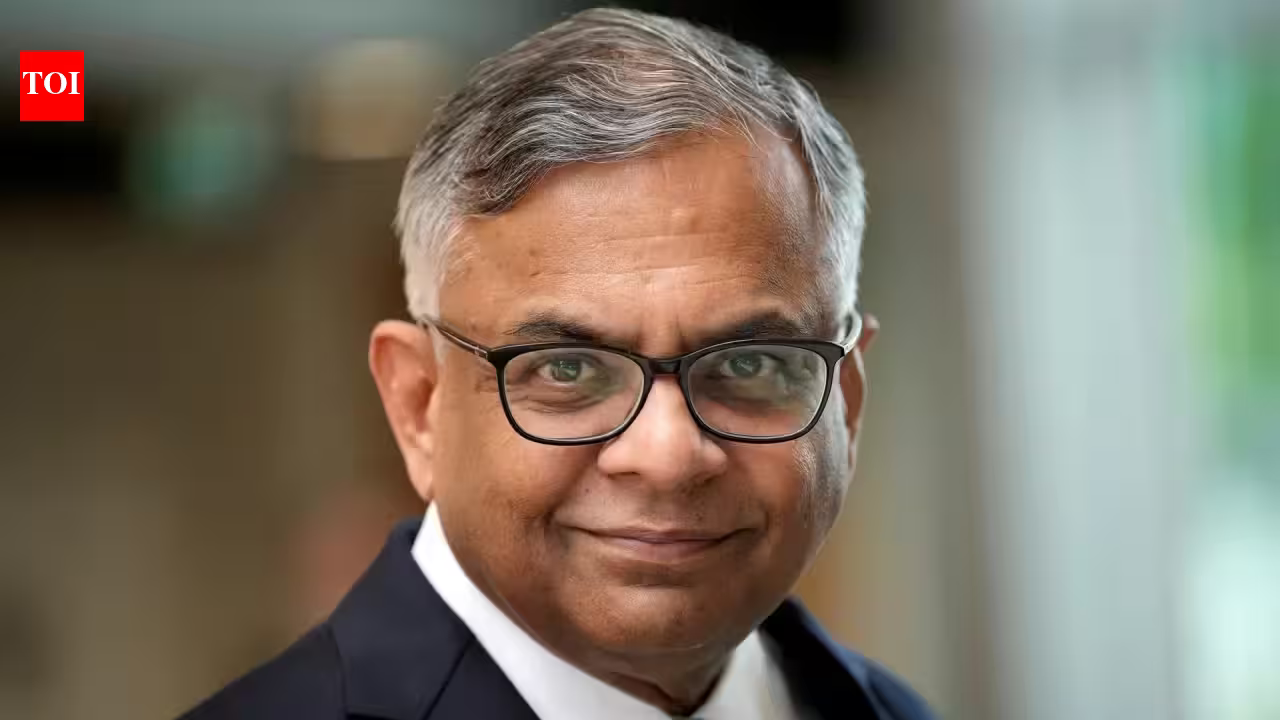

NEW DELHI, Aug 12 (Reuters) – N. Chandrasekaran, chairman of India’s largest conglomerate Tata Sons, has announced he will not seek reappointment, citing a lack of support from the board following persistent tensions with the charitable arm that controls the group. His departure in February adds to a challenging period for the 158-year-old conglomerate, which is grappling with significant losses at Air India, a sharp decline in sales for its Jaguar Land Rover automotive business, and has recently had to overhaul processes after a data leak at its electronics division impacted clients such as Apple and Tesla.
Disagreements have been brewing for months between Chandrasekaran, 63, and Tata Trusts, which holds a 66% stake in Tata Sons. The contentious issues have included the potential listing of Tata Sons, the financial performance of Air India, and the strategy for managing the planned exit of a minority shareholder.
In February, Tata Sons, the holding company for over 30 Tata companies including IT giant TCS, Tata Motors, and Air India, deferred a decision on Chandrasekaran’s reappointment after Noel Tata, chairman of Tata Trusts, opposed the move.
“It has been six months since that board meeting, and no resolution has been reached till date,” Chandrasekaran stated. He emphasized the importance of leadership clarity for such a vast institution, noting that “many strategic projects that are under critical stages of execution … clarity on leadership is important for employees, investors, partners and other stakeholders.”
Tata Trusts did not respond to a request for comment. A source close to the situation, who wished to remain anonymous, confirmed that the disagreements with Tata Trusts were the sole reason for Chandrasekaran’s resignation.
Following the news, Tata Group stocks experienced declines. Shares in TCS, where Chandrasekaran built his career, closed down 4%, while Jaguar Land Rover-parent Tata Motors fell 1.3%. Tata Steel also lost over 1%.
Deven Choksey, managing director of a Mumbai-based financial services firm, commented on Chandrasekaran’s tenure, stating, “Under Chandrasekaran, the group has scaled profits substantially. However, some parts are also making substantial losses in areas such as Air India, digital and e-commerce.”
This is not the first time Tata has faced internal disagreements at its highest levels. In 2016, the Tata Sons board dismissed its then-chairman following a dispute with group patriarch and charity arm head Ratan Tata over corporate governance matters.
Tata, India’s largest conglomerate by market capitalization, boasts a diverse portfolio that includes iconic brands such as Jaguar Land Rover, British tea firm Tetley, and a recent agreement to acquire European company Iveco’s trucks and bus business in a $4.36 billion deal. The group also operates hundreds of Starbucks outlets as a partner of Starbucks India. Tata products, ranging from salt, tea, and pulses to cars and hotels, are ubiquitous across India.
In the last financial year, Tata Group companies collectively generated revenues of $185 billion, with its 26 publicly listed entities having a combined market capitalization of $277 billion as of March 31.
Chandrasekaran, widely known as Chandra, joined the Tata Group in 1987 as an intern at TCS and spent his entire corporate career at the IT giant, rising to become CEO in 2009 before taking the helm at Tata Sons in 2017. He is not related to the Tata family, who are descendants of Persians, and was the first non-Parsi chairman of Tata Sons.