







Sonam Wangchuk Reveals Internal Turmoil During Jantar Mantar Protests
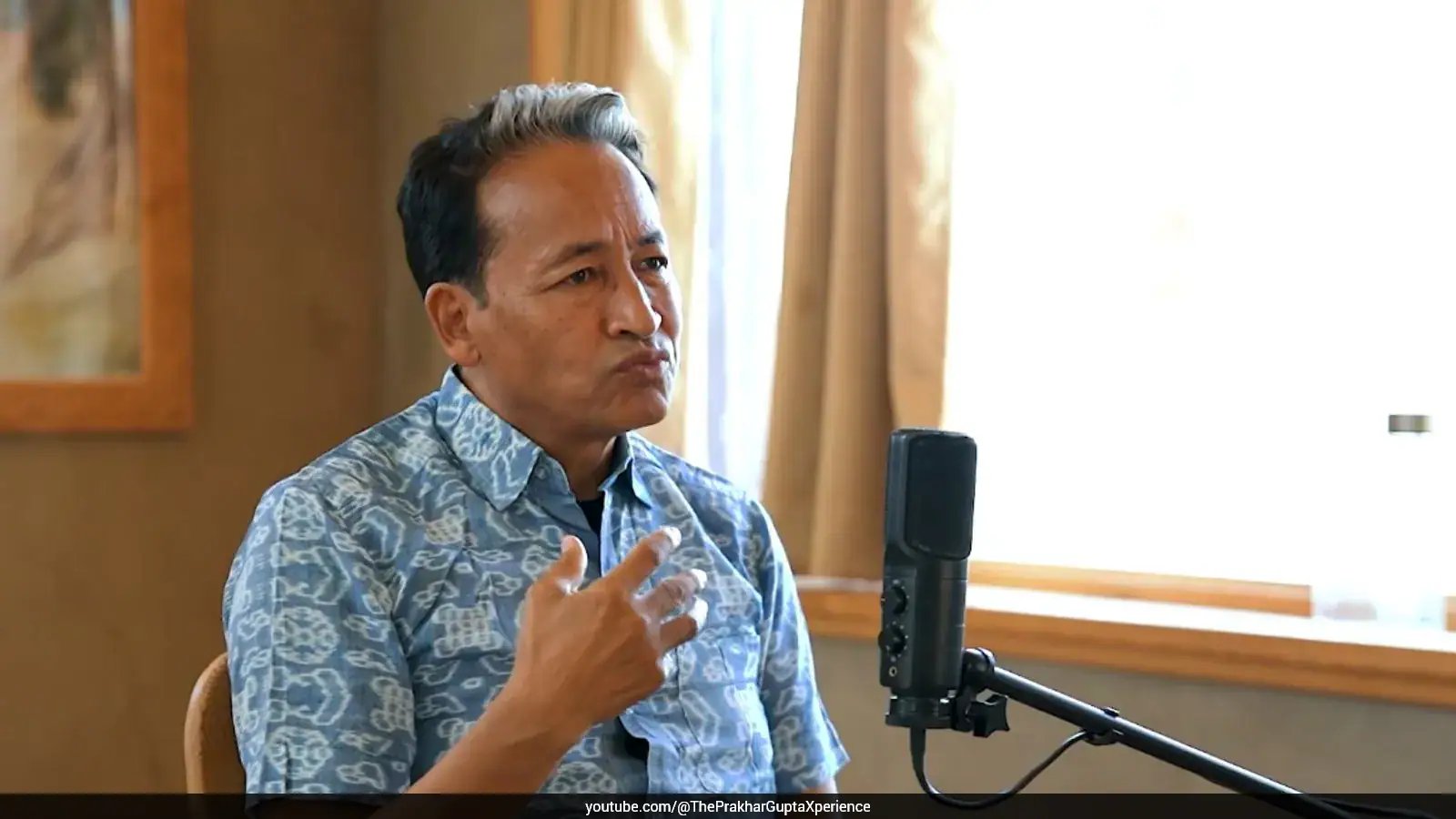
New Delhi: In a candid revelation on a recent podcast, Ladakhi activist Sonam Wangchuk has opened up about the intense behind-the-scenes pressure during the youth-led agitations at Jantar Mantar earlier this year. Wangchuk disclosed that at the height of the turmoil on July 20, the satirical political group Cockroach Janta Party (CJP)—which spearheaded the protests against NEET paper leaks—approached him with an “exit strategy” to disband the agitation.
Speaking to content creator Prakhar Gupta, Wangchuk detailed the events of July 20, a day marked by significant clashes between protesters and police in central Delhi. Wangchuk, who was hospitalized at the time due to his ongoing hunger strike, revealed that key members of the CJP contacted him in a state of despair.
“There were one or two people who asked me how to exit from this… They said, ‘we want to leave this place,'” Wangchuk recalled. According to the activist, the organizers were rattled after the stage was vandalized and the crowd numbers dwindled. They urged Wangchuk to issue an appeal asking the demonstrators to head home and “get good rest,” suggesting that the movement had lost its momentum.
Wangchuk agreed to the request, drafting a message to the protesters. However, he noted that the message was ultimately never sent.
The reversal of fortune for the agitation proved to be a testament to the resilience of the youth participants. Despite the organizers’ initial pessimism, the protesters returned to the site the following day in significant numbers. Wangchuk praised the students for their tenacity, noting that their determination proved vital. “The youth did something remarkable. The protest leaders look at faces and their morale sometimes goes up and sometimes goes down. When they left, it had gone down. When the youth came back the next day, their morale went up,” he said.
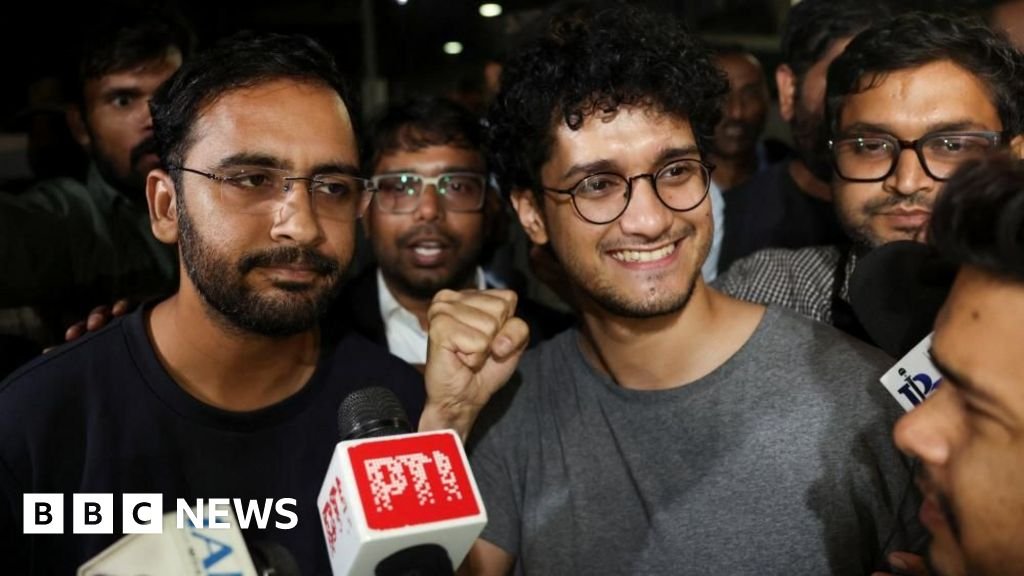
The CJP, founded by Boston University alumnus Abhijeet Dipke, gained significant traction on social media for its use of sharp satire, memes, and animation to highlight issues like unemployment and systemic education failures. The movement culminated in significant political pressure, eventually contributing to the high-profile resignation of then-Union Education Minister Dharmendra Pradhan.
Wangchuk’s own involvement was marked by a 26-day hunger strike, which he began on June 28 to demand greater accountability in the Indian education system. While health complications eventually led to his removal from the site by police, his reflection provides a rare glimpse into the fluctuating morale and strategic deliberations that defined one of the most high-profile student movements of the year.