




Liberal Democrats Call for Cross-Party Summit to Tackle ‘Super El Niño’ and Climate Crisis
The Liberal Democrats are urging Prime Minister Andy Burnham to convene an urgent, cross-party meeting to address the UK’s vulnerability to escalating extreme weather, warning that the nation is currently unprepared for a looming “super El Niño.”
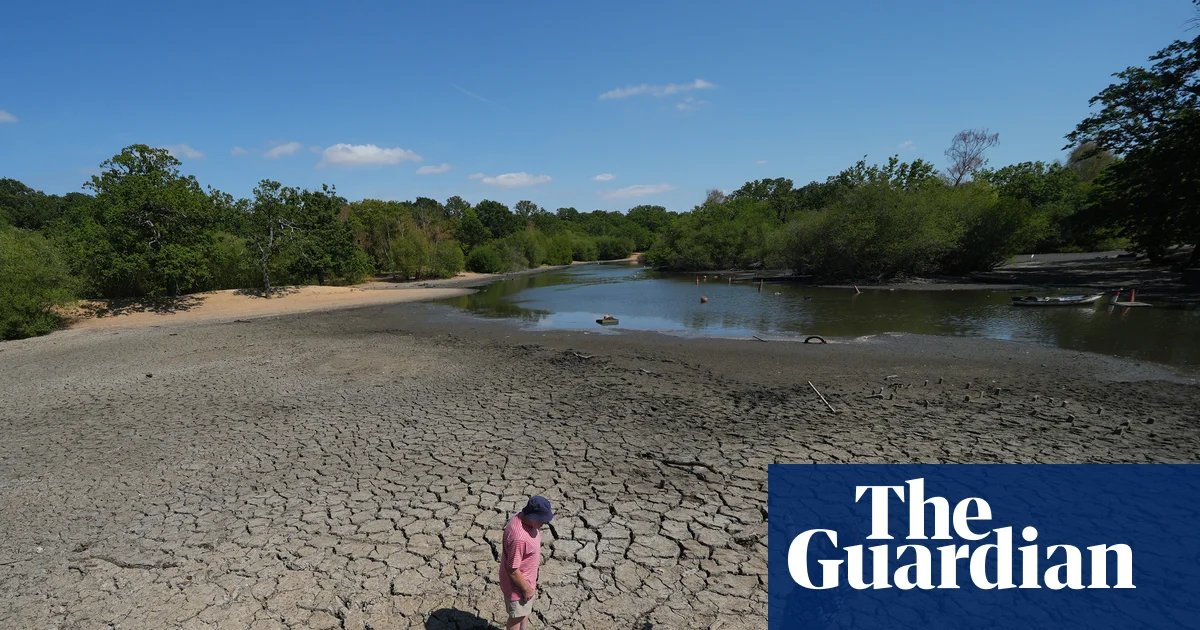
As the UK grapples with the aftermath of five consecutive heatwaves since May—an ordeal that recently necessitated a Cobra emergency meeting—the government is facing mounting criticism for its perceived silence on the broader, long-term implications of the climate crisis.
Pippa Heylings, the Liberal Democrats’ spokesperson for energy security and net zero, expressed frustration with the administration’s current stance. While she acknowledged the government’s recent move to ban disposable barbecues to mitigate wildfire risks, she labeled the overall response as “underwhelming.”
“Andy Burnham has shown he is able to commit to talking about things people care about, which is good,” Heylings said. “But there’s been a baffling silence from him on extreme heat. We need to see more.”
A Pending “Double Whammy”
The Liberal Democrats’ leader, Ed Davey, joined Heylings in writing to the Prime Minister two weeks ago to propose a summit of party leaders. The goal, they stated, is to formulate a comprehensive strategy for national resilience against climate-driven disasters. To date, they claim, they have received no response.
The urgency is driven by the forecast of an unprecedented “super El Niño.” Climate experts warn that this phenomenon will exacerbate global food shortages, fuel inflation, and intensify the severity of flooding and storms in the UK throughout the coming autumn and winter months.
“The scale of this event is unprecedented and will have impacts here in the UK,” Heylings warned. “We’re looking at a double whammy.”
Political Consensus or Polarization?
The call for cooperation has received a mixed response from the political establishment. Labour MP for Norwich South, Clive Lewis, broke ranks to support the call, suggesting that political consensus is the only way to facilitate a “radical transition” while taking on vested interests that favor the status quo.
However, others remain skeptical about the feasibility of such a meeting. Jon Pearce, Labour MP for High Peak, argued that the current ideological divide makes cooperation unlikely. He accused both the Conservative Party and Reform UK of abandoning the national consensus on climate action, claiming they are “competing to see who can most downplay the need for action” while the reality of droughts, wildfires, and food production challenges continues to worsen.
When asked if they would participate in such a forum, a Conservative spokesperson declined to comment on “hypothetical talks,” while Reform UK did not respond to requests for comment.
Government Defense
In response to the criticism, a government spokesperson emphasized that the UK remains a “world leader” in climate action. They pointed to ongoing initiatives such as the work of the National Drought Group, plans for nine new reservoirs, and a commitment of at least £10.5bn by 2036 to bolster flood and coastal erosion defenses.
As the debate intensifies, the Liberal Democrats are insisting that the conversation must go beyond reactive safety measures. For the opposition, the fundamental question remains: how to move past temporary fixes and address the root causes of the climate crisis itself.
With the next season of severe weather potentially weeks away, the pressure on the Prime Minister to bridge the political divide is mounting, as voters continue to express strong support for decisive, cross-party action on the environment.