






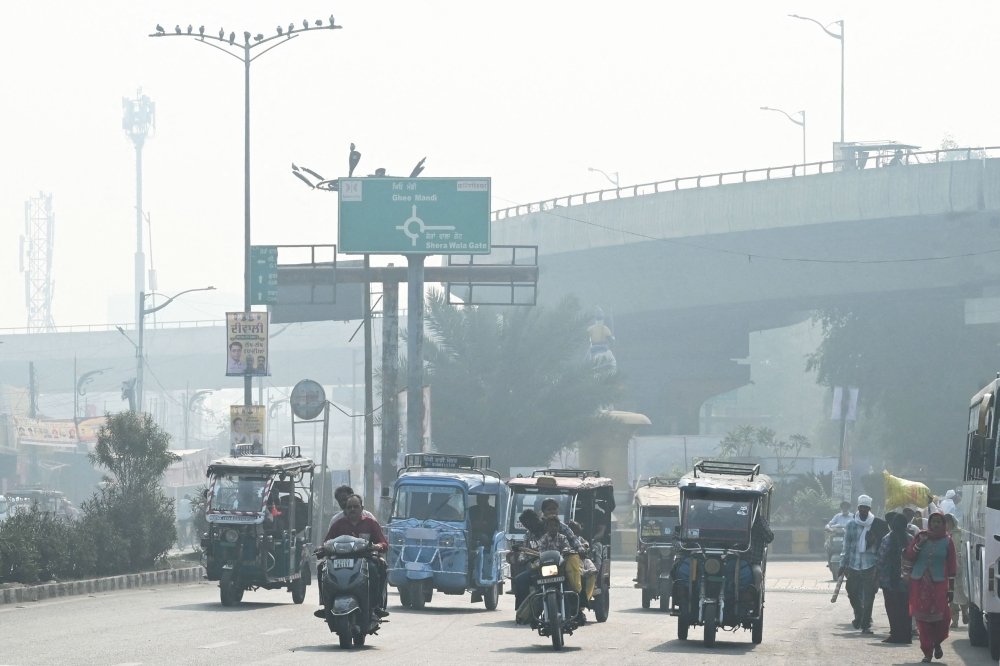
Delhi’s Air Quality Plummets to Hazardous Levels Following Diwali Celebrations
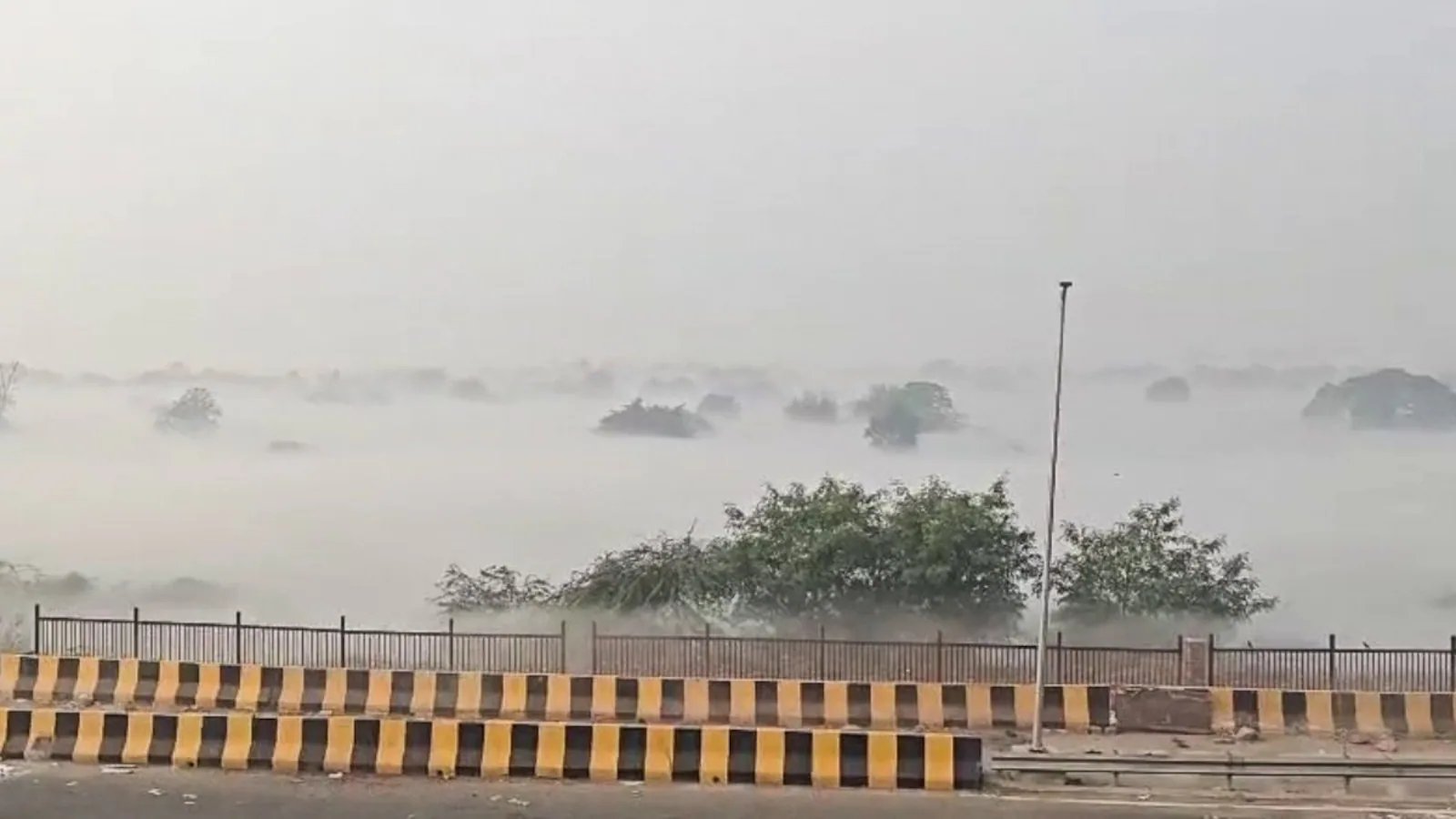
NEW DELHI — The national capital awoke to a thick, suffocating blanket of toxic smog on November 9, as air quality levels surged to extreme highs following the widespread use of firecrackers during the Diwali festival. Despite judicial interventions aimed at curbing pollution, the air in many parts of the city reached concentrations of hazardous pollutants nearly 58 times higher than the safety threshold set by the World Health Organisation (WHO).
A Night of Revelry Leads to a Morning of Toxicity
Millions of residents marked the annual festival of lights with elaborate firework displays, ignoring environmental concerns and legal restrictions. By the early hours of Saturday morning, roughly eight hours after the peak of the celebrations, monitoring data from the Mandir Marg locality revealed that concentrations of PM 2.5—deadly microparticles capable of entering the bloodstream—had climbed to 879 micrograms per cubic metre. This figure represents an alarming 59-fold increase over the WHO’s recommended daily limit of 15 micrograms per cubic metre, turning the city into what residents described as a “gas chamber.”
The Supreme Court of India had attempted to mitigate the environmental impact earlier this month by permitting only the use of “green” firecrackers, which are engineered to release fewer pollutants. However, enforcement proved difficult, as reports of conventional, high-emission fireworks echoed throughout the city late into the night, effectively rendering the court-mandated restrictions ineffective.
A Multi-Faceted Crisis
The post-Diwali spike in pollution occurs at a precarious time for New Delhi, where winter conditions—characterized by stagnant winds and cold temperatures—typically trap pollutants near the ground. This seasonal deterioration is exacerbated by a complex web of year-round emission sources.
According to data provided by India’s environment ministry, the capital’s pollution burden is multifaceted. Vehicle emissions account for 23 percent of the winter smog, while industrial activities, including the operation of coal-fired power plants, contribute approximately 9 percent. Furthermore, the burning of crop stubble in neighboring states adds another 20 percent to the city’s polluted air shed. Perhaps most concerning is that 27 percent of the smog consists of “secondary particles”—complex pollutants that form in the atmosphere through chemical reactions between gases emitted by industry, vehicles, and biomass burning.
The Human Cost of Smog
Local authorities have struggled to contain the crisis, recently implementing emergency measures such as curbs on construction projects and restrictions on heavy vehicle movement. However, these efforts have done little to prevent the yearly surge in respiratory and cardiovascular issues that follow the festive season.
The public health implications of this recurring crisis are severe. A 2024 study featured in the medical journal The Lancet Planetary Health underscored the gravity of the situation, estimating that air pollution was linked to the premature deaths of 3.8 million people across India during the decade between 2009 and 2019. With Delhi serving as home to more than 30 million people, the intersection of cultural celebration and environmental degradation continues to pose a formidable challenge to urban governance and public health policy in one of the world’s most populous cities.
Disclaimer: This content is auto-generated for informational purposes only.
Source: Read Original News