








Global tree populations are facing an unprecedented crisis, succumbing to a combination of logging, wildfires, drought, climate change, pests, and diseases. This widespread tree mortality stands in stark contrast to the United Kingdom government’s struggling efforts to implement tree-planting initiatives aimed at combating climate change, a situation further exacerbated by the loss of newly planted trees and increasing pressure to convert land for housing development. This ongoing environmental degradation, largely a direct consequence of human activity, poses a significant threat to the planet’s ecological balance and, by extension, human survival.
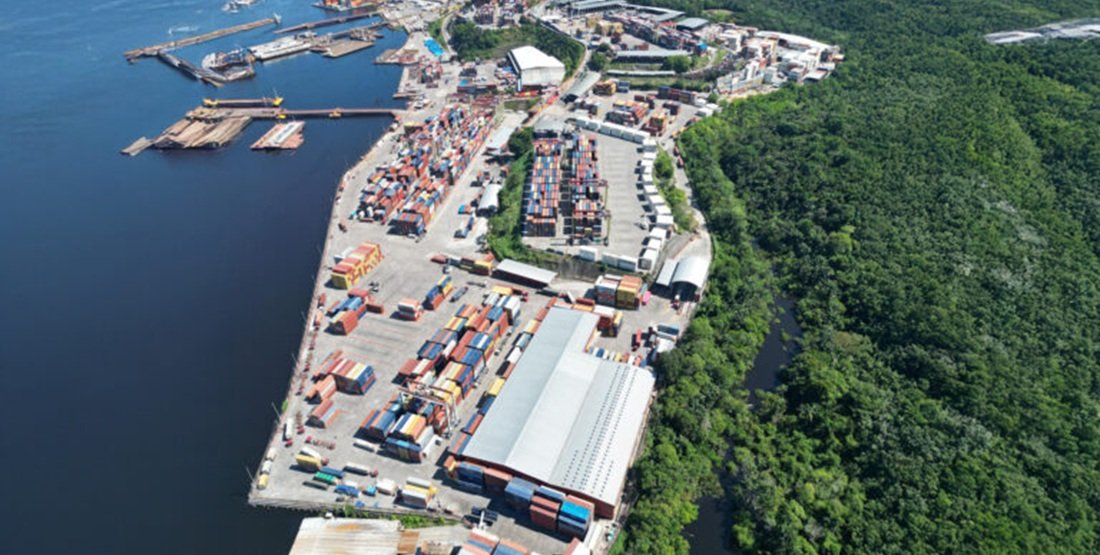
Globally, the scale of tree loss is staggering. The World Bank estimated that 15 billion trees were felled annually in 2021, projecting a loss of 60 billion trees between 2022 and 2025. This deliberate logging activity has devastating repercussions for the environment, indigenous communities, and the global climate. Compounding this issue, climate change, driven by human actions, is directly responsible for substantial tree loss. Research published in Nature Communications indicates that 17,000 tree species are currently at risk of extinction due to rapid global changes. Furthermore, vast tracts of forest are being lost to fires, whether naturally occurring or human-induced. Global Nature Watch reported that in 2020, the world had 3.5 gigahactares of natural forest, covering 27% of its land area, but by 2025, 23 million hectares of this natural forest were lost, contributing 9 gigatonnes of CO2 emissions.
Despite clear evidence and years of warnings about tree loss and its broader implications, there remains a disconnect in recognizing the potential for self-inflicted harm. While scientists at the Massachusetts Institute of Technology in 2023 suggested that humanity is not on an immediate trajectory towards extinction, they cautioned that failure to act swiftly to curb global warming would lead to severe consequences for a vast number of people.
However, the urgency of governmental response is questionable. The stance of some global leaders, such as a former US President who dismissed climate change as a "con job," undermines collective efforts. The undeniable facts and visual evidence of environmental devastation worldwide underscore the reality of the climate crisis.
In the UK, the government acknowledged the critical need for increased tree planting to combat climate change, setting a commitment in 2022 to raise tree and woodland cover from 14.5% to 16.5% of land area by 2050. This included an ambitious target to plant 30,000 hectares annually across the UK by the end of the parliamentary term. However, this annual target has consistently been missed. Data reveals a significant shortfall: between 2022-23 and 2024-25, only 49,200 hectares were planted against a target that would have required 90,000 hectares, leaving a deficit of 40,800 hectares. This substantial gap in tree planting is further exacerbated by the increasing loss of existing trees due to climate change itself, casting doubt on the achievability of the 2050 target without significant investment and accountability.
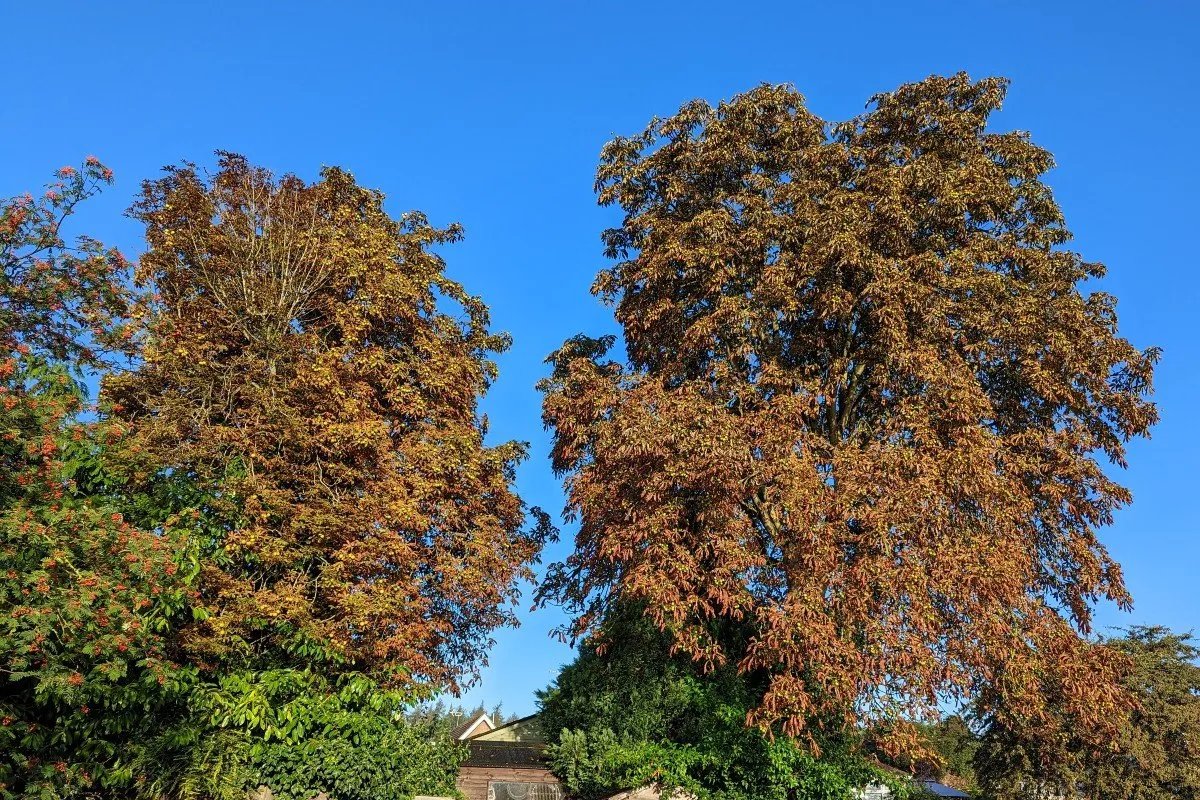
The health of UK trees has been severely impacted by recent hot, dry summers, a direct consequence of the climate crisis. The National Trust reported in 2025 that newly planted saplings experienced losses of up to 40%, far exceeding the expected 10-15%. This suggests that for the 49,200 hectares reportedly planted, a 40% failure rate would mean over 31 million trees, or nearly 20,000 hectares of newly planted woodland, are no longer viable. This dramatic reduction in effective woodland area highlights the true scale of the challenge.
Trees are also under relentless attack from pests and diseases, which are proliferating in a warming climate. The Forestry Commission has issued alerts regarding the eight-toothed spruce beetle, Ips typographus, which is causing significant damage. Reports from the public suggest a lack of timely response from governmental departments, further compounding the issue. Diseases such as Dutch elm disease and ash dieback continue to decimate tree populations, adding to the myriad threats.
Adding another layer of complexity, the demand for housing development in the UK directly conflicts with tree protection efforts. Local plans, such as those in Leeds, indicate a likelihood of releasing Green Belt land to meet housing needs due to insufficient brownfield sites. This creates a clear contradiction where the need for more trees collides with the demand for land for urban expansion.
The importance of trees for planetary health is widely recognized, yet the global rate of tree loss continues to outpace replacement efforts, a fundamentally unsustainable trend. The UK government’s failure to meet its own commitments, setting targets without adequate resources or means for achievement, results in wasted taxpayer money and a critical shortfall in established woodland. This raises questions about the credibility of future climate change commitments. The consequences of this systemic failure will disproportionately affect vulnerable global populations. For more information on environmental issues, visit our Environment section.
Source: Original Source