








Crisis on the Pasture: Farmers Scramble to Feed Herds Amidst Unprecedented Challenges
Farmers are scrambling to feed their herds as supply chain disruptions and climate shifts exacerbate feed shortages.
Across continents, a silent crisis is unfolding on farms, threatening the delicate balance of agricultural ecosystems and the livelihoods of countless rural communities. Farmers, the backbone of global food production, are currently facing an unprecedented challenge: a desperate scramble to secure adequate feed for their livestock. This dire situation is not merely a localized issue but a complex web woven by geopolitical tensions, extreme weather patterns, and persistent supply chain disruptions.
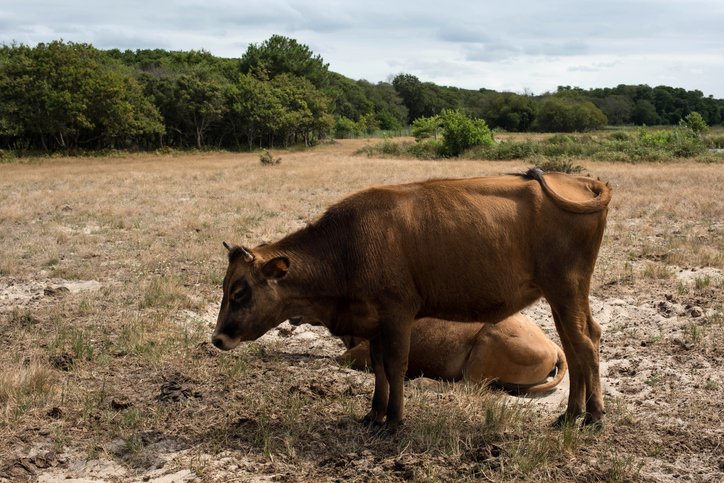
The visual evidence of this struggle is stark. Our accompanying image, captured at a pivotal moment in 2026, depicts a farmer observing their herd with an air of profound concern. This scene is being replicated daily in countless pastures and barns, as dwindling feed stocks and escalating prices push agricultural enterprises to their breaking point.
The Perfect Storm: Drivers of the Feed Crisis
Several convergent factors have coalesced to create this critical juncture. Firstly, climate change continues to be a dominant force, manifesting in prolonged droughts in traditional grazing lands and unexpected deluges in regions typically known for robust forage production. These erratic weather patterns have significantly reduced the availability of natural pastures and the yields of feed crops like corn, soy, and hay.
Secondly, global supply chains, still reeling from post-pandemic fragilities and geopolitical conflicts, have exacerbated the problem. The rising cost of fuel, labor shortages, and logistical bottlenecks have made transporting feed ingredients both expensive and unreliable. Farmers, who once relied on predictable delivery schedules and stable prices, are now facing volatility that makes long-term planning almost impossible.
“We’re seeing prices for hay and grain that we’ve never encountered before,” explains Maria Sanchez, a dairy farmer from Normandy. “It’s a daily calculation of whether we can afford to feed our cows or if we have to consider reducing our herd. It’s heartbreaking.”
Economic Fallout and Ethical Dilemmas
The economic repercussions are profound. Increased feed costs directly translate to higher operational expenses for farmers, inevitably pushing up the price of meat, dairy, and eggs for consumers. This inflation comes at a time when many households are already struggling with the cost of living, creating a ripple effect throughout the food economy.
Beyond economics, farmers are confronted with agonizing ethical decisions. When feed becomes scarce, difficult choices must be made regarding animal welfare. Reducing herd sizes, a painful but sometimes necessary measure, not only impacts a farmer’s income but also represents a loss of years of genetic investment and animal care.
Innovative Solutions and Policy Calls
In response, the agricultural sector is urgently seeking innovative solutions. Research into alternative feed sources, such as insects, algae, and industrial by-products, is gaining traction. Farmers are also exploring more resilient agricultural practices, including diversification of crops and enhanced water management techniques, to better withstand climate shocks.
However, these individual efforts require substantial policy support. Agricultural organizations are lobbying governments for emergency aid packages, subsidies for feed purchases, and investments in research and development for sustainable feed solutions. There is also a renewed call for international cooperation to stabilize global grain markets and ensure equitable distribution of essential agricultural commodities.
The scramble to feed herds is more than just a logistical challenge; it is a critical indicator of the broader vulnerabilities within our food systems. As farmers continue their tireless work under immense pressure, the collective urgency to address these foundational issues has never been clearer. The health of our livestock, the stability of our food supply, and the future of our rural communities depend on decisive action now.