






The Importance of Listening to Your Body
It is easy to move through our daily routines—school runs, gym sessions, and busy work schedules—without stopping to think about the intricate machinery working inside our heads. We often view health as something that only requires attention when we hit a certain age. However, recent conversations around brain health remind us that our well-being is not dictated by a birthday. Whether you are twelve or seventy, your body knows when something is not quite right, and listening to those quiet signals is a form of self-care that should never be ignored.
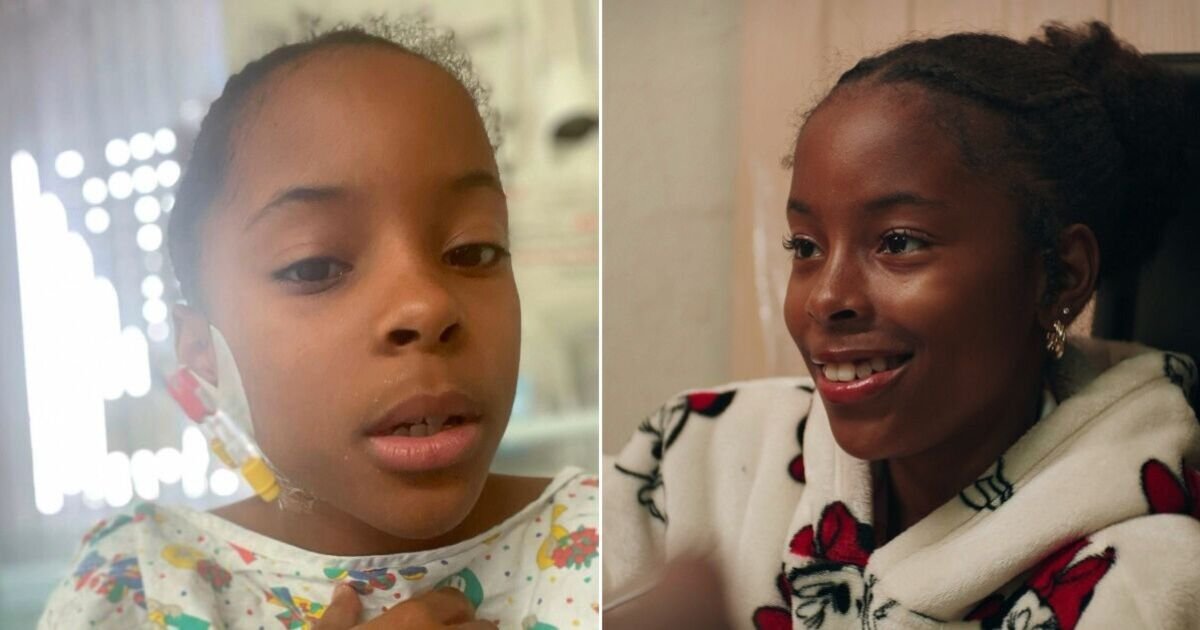
When twelve-year-old Tayshelice Hewitt woke her mother in the middle of the night because she was struggling to hear and losing her balance, she demonstrated a level of awareness that saved her life. We often brush off a dizzy spell or a momentary lapse in memory as being tired or having a busy day. While most of the time that is true, there is a fine line between general exhaustion and a genuine health emergency. Prioritizing rest, staying hydrated, and checking in with yourself when things feel slightly “off” is a habit we should all cultivate. Your intuition is your first line of defense.
Understanding the Invisible Signs
When we think of health crises, we often imagine dramatic movie scenes, but the reality is frequently much quieter and more subtle. Strokes, for instance, can present in ways that are easily dismissed. For Tayshelice, it was trouble hearing and difficulty walking in a straight line. For others, it might be sudden confusion or a change in speech. The key takeaway here is that you do not need to be an expert in medicine to spot the warning signs; you just need to be observant.
If you notice someone—or yourself—struggling with tasks that are usually effortless, it is better to be cautious and seek help immediately. The recovery journey for survivors like Tayshelice or seventy-year-old Jim Hunter is long and demanding. It involves physical therapy, cognitive adjustments, and learning how to navigate a world that feels different than it did before. By educating ourselves and our families about the signs, we are better equipped to protect the people we love.
Redefining Resilience in Daily Life
Resilience is a term we throw around a lot in wellness circles, but it is best defined by those who are doing the hard work of recovery every single day. Seeing a sculpture made of ice as a metaphor for the brain is a powerful visual. It reminds us that our cognitive health is delicate and deserves to be treated with care. For those navigating life after a major health event, resilience is not about snapping back to a previous version of yourself; it is about finding a new rhythm that works for your current reality.
Taking care of your mental state after a physical setback is just as vital as physical rehabilitation. Survivors like Jim have shared that the mental toll can be just as heavy as the physical limitations. Recognizing that changes in personality or temperament are part of the healing process—and not something to be ashamed of—is a huge step toward peace. Being kind to yourself during the healing journey is a non-negotiable part of the process.
Building a Culture of Awareness
Awareness is the most accessible tool we have, and it costs absolutely nothing. We can normalize these conversations by talking about them with our friends and family. Why shouldn’t we discuss brain health over coffee just as easily as we discuss our fitness routines or skincare habits? When we share information about conditions like sickle cell disease or the reality of strokes, we strip away the stigma that prevents people from seeking help or understanding their own bodies.
You do not need to be a medical professional to spread the word. Sharing accurate information on social media or simply checking in on a friend who seems to be struggling makes a difference. When more of us understand that a stroke is not just an “older person’s health issue,” we create a community that is better prepared to act.
Finding Balance in the Aftermath
At the end of the day, the goal is to live a life that is full, even when circumstances change. Recovery is a journey that requires support, and no one should have to walk that path in isolation. Whether you are supporting a loved one through a difficult transition or managing your own health, remember that seeking help is a sign of strength, not a weakness.
By staying mindful, encouraging open communication within our households, and advocating for proper long-term support, we can all contribute to a society that values every stage of life. Life is precious and sometimes unpredictable, but by staying informed and supportive, we can navigate the challenges with grace and keep moving forward, one step at a time.
Disclaimer: This content is auto-generated for informational purposes only.
Source: Read Original News