








Environmental Coalition Urges New Minister to Dismantle "Incinerator Lock-in" and Boost Circular Economy
London, UK – A powerful coalition of 38 environmental organizations, spearheaded by the United Kingdom Without Incineration Network (UKWIN), has delivered a scathing open letter to Emma Hardy, the newly appointed minister with responsibility for the circular economy. The letter, sent shortly after her appointment, argues that the nation’s reliance on waste incineration is severely undermining the government’s ambitious recycling, climate, and residual waste reduction targets.
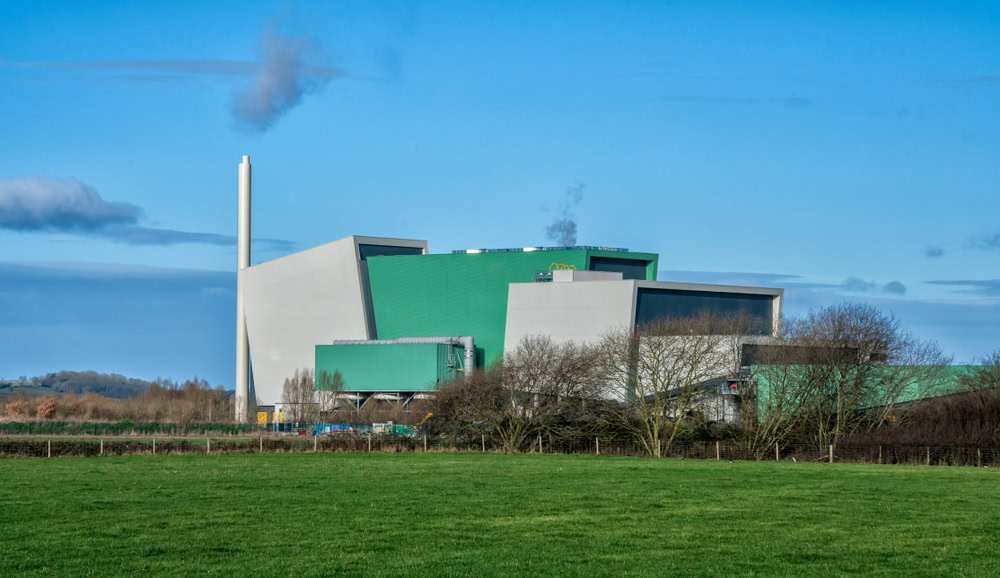
The signatories, which include prominent groups like Everyday Plastic, Zero Waste Europe, Biofuelwatch, the Environmental Investigation Agency, Planet Patrol, and various Friends of the Earth and climate action networks, have collectively called for a decisive shift away from incineration and towards a genuinely circular economy. Their core message highlights how "incinerator lock-in" – a system where existing contractual and financial arrangements incentivize councils to continuously supply waste to Energy from Waste (EfW) facilities – is creating a significant barrier to achieving environmental goals.
“It is vital that the incoming Minister appreciates how incinerator lock-in and incineration overcapacity threaten the achievement of recycling, prevention, and residual waste reduction targets and act as a barrier to the circular economy,” stated Shlomo Dowen, UKWIN’s National Coordinator. He further emphasized, “Addressing incinerator lock-in would support Government ambitions to incinerate less and recycle more.”
The letter outlines a series of urgent measures demanded by the coalition:
- A significant reduction in incineration capacity: The organizations contend that the current level of incineration capacity in the UK is unsustainable and directly competes with recycling and waste prevention efforts.
- Full inclusion of Energy from Waste in the UK Emissions Trading Scheme (ETS) without exemptions from 2028: This measure aims to internalize the environmental cost of incineration, encouraging more sustainable waste management practices.
- Prompt publication of the Circular Economy Growth Plan: The coalition is pushing for a clear governmental roadmap to transition towards a more resource-efficient economy.
- Removal of “unnecessary” packaging from uncut fresh fruit and vegetables: A practical step to reduce single-use plastics and unnecessary waste at the consumer level.
- Further robust measures to meet the residual waste reduction target: The letter points out that current policies are insufficient to meet the statutory target of halving residual waste by 2042, with the government’s own delivery plan estimating only a third of the required reduction from existing collection and packaging reforms.
A particularly alarming claim made in the letter is that 26 councils have reportedly delayed the introduction of separate food waste collections due to being tied into long-term EfW contracts. This illustrates a direct conflict between the economic incentives of existing incineration contracts and the environmental imperative of improved recycling infrastructure.
The coalition’s concerns extend beyond just waste management, touching upon the broader climate impact of incineration. By advocating for EfW to enter the UK ETS without exemptions, they aim to ensure that incineration facilities are held accountable for their greenhouse gas emissions, aligning with the UK’s climate change commitments.
The collective voice of these 38 organizations underscores a growing impatience with what they perceive as a stalled transition to a truly circular economy. With the government’s own projections indicating a significant shortfall in residual waste reduction, the pressure is mounting on Minister Hardy to address these issues head-on. The upcoming Circular Economy Growth Plan and the future of EfW in the UK’s energy and waste landscape will be crucial indicators of the government’s commitment to these environmental targets.