






Russian Envoy: India’s Fighter Jet Choice is a ‘Sovereign Decision’
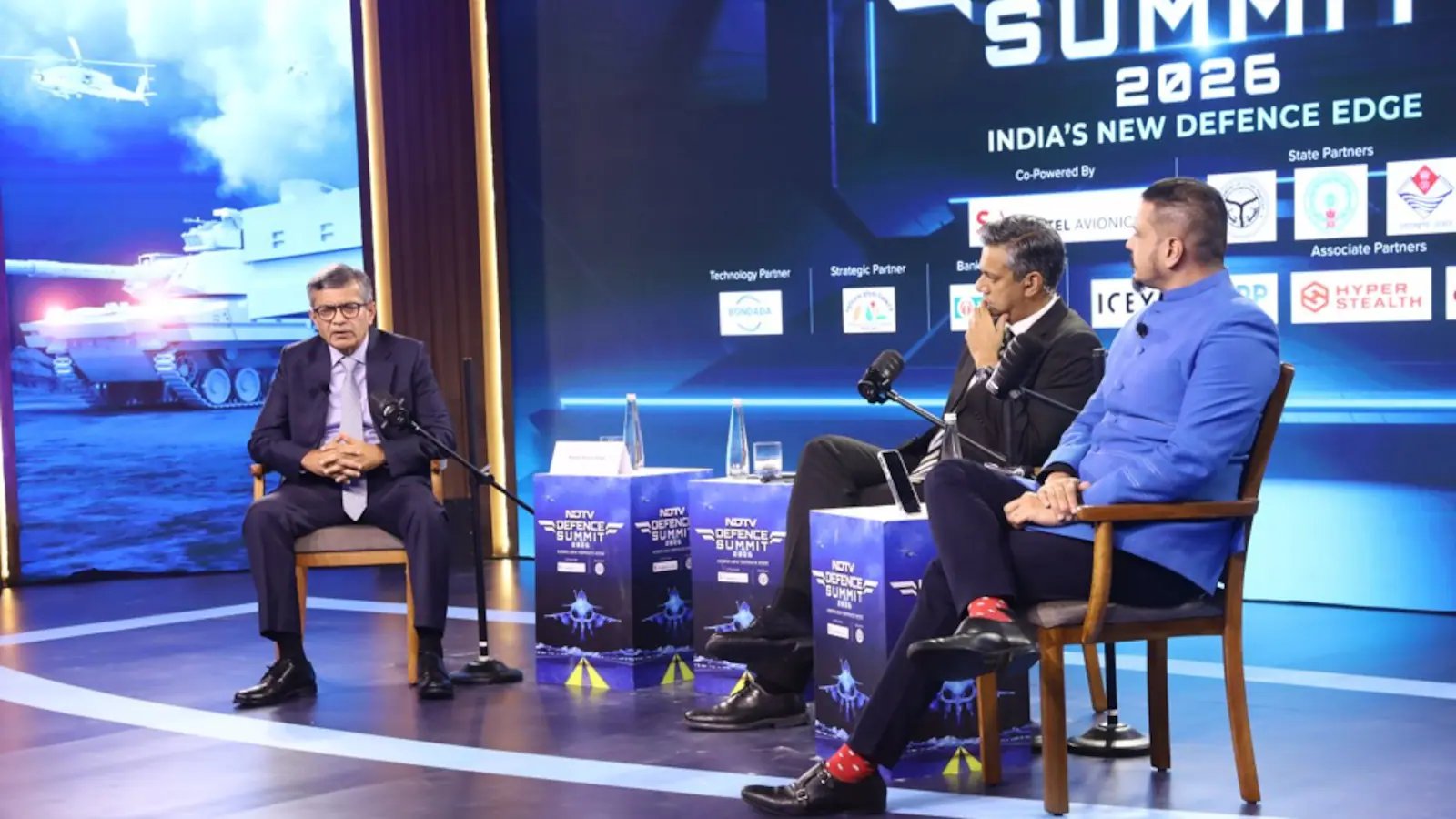
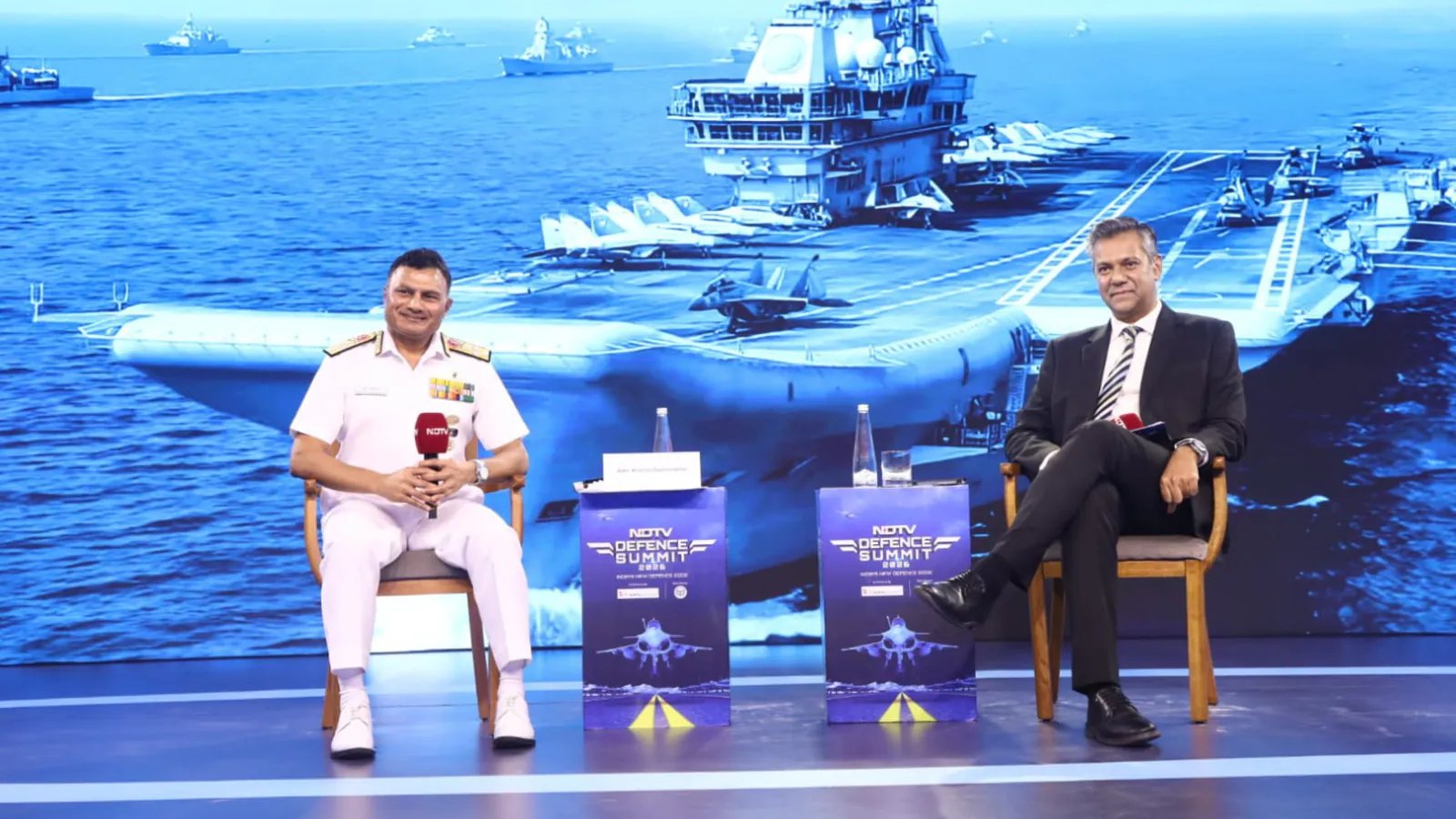
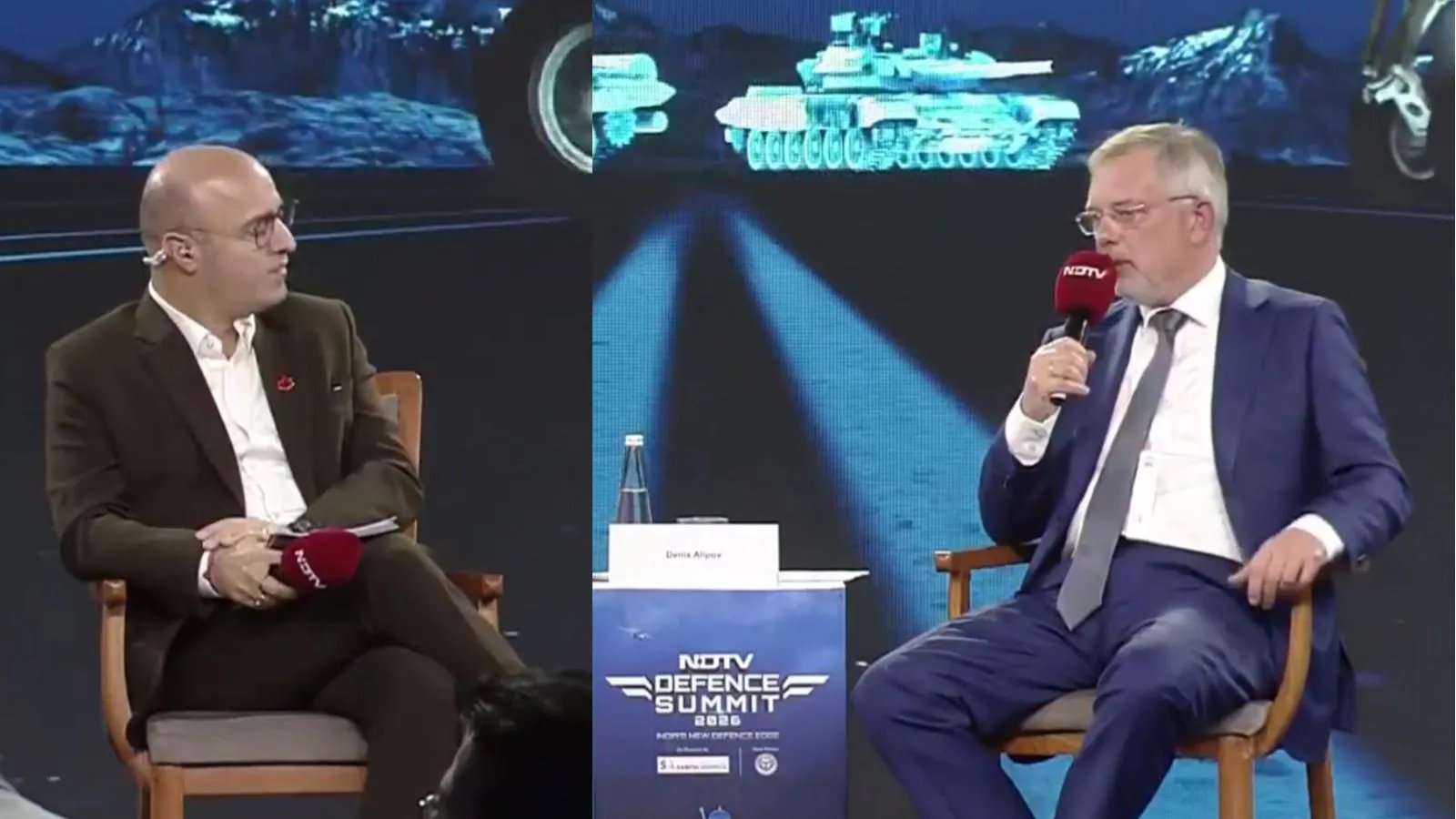
New Delhi: In a firm statement regarding India’s future military acquisitions, Russian Ambassador to India Denis Alipov has asserted that the choice between American and Russian fighter jets remains entirely within India’s purview. Speaking at the NDTV Defence Summit, the envoy emphasized that New Delhi possesses the absolute right to determine its defense roadmap without external influence.
The remarks come at a time when the Indian Air Force is evaluating its long-term requirements for advanced aerial platforms, with both the American F-35 Lightning II and the Russian Sukhoi Su-57 positioned as high-end options.
A Question of Value and Strategy
During a session focused on the future of Indo-Russian defense cooperation, Ambassador Alipov acknowledged the technical prowess of the American F-35 but pointedly questioned its economic viability for the Indian market.
“The US is welcome to promote its product. It’s a good aircraft, no doubt about that. But it is way too expensive,” Alipov stated. He further added that if India chooses the American platform, it would be a “sovereign decision” that Moscow would respect, though he maintained that Russia offers a “much better deal.”
The diplomat hinted at significant developments in the coming year, expressing hope that the upcoming Bengaluru air show would unveil new milestones in the defense partnership between the two nations. His comments arrived against the backdrop of the ‘Tarang Shakti’ exercise, which has seen six US F-35s and over 200 American personnel operating in India for the first time.
Decades of Strategic Trust
Ambassador Alipov took the opportunity to reaffirm the “remarkable consistency” of the India-Russia relationship, which has spanned nearly eight decades. Pointing to legacy systems like the MiG-21 and MiG-29, he argued that the foundation of the bilateral defense ties is built on mutual reliability rather than transactional convenience.
“We have never conditioned our relations on any immediate global disposition,” Alipov noted, adding that Moscow has consistently viewed the partnership as a collaborative effort rather than a zero-sum game. This deep-rooted cooperation, he suggested, is best exemplified by the joint development of the BrahMos cruise missile, a centerpiece of India’s current defensive capability.
Geopolitical Friction
Beyond hardware, the ambassador touched upon the evolving geopolitical landscape, expressing concerns over Western influence in the Indo-Pacific. Drawing a sharp contrast between Russia’s long-standing support and the strategic interests of the United States, Alipov alluded to recent policy discussions in Washington.
He specifically referenced concerns regarding the Graham Act and what he termed a “Freudian slip” by US officials, claiming that Washington intends to contain India’s rise to prevent it from becoming a dominant global competitor. “As India becomes stronger and stronger, and eventually a superpower—which is inevitable—the US would be doing everything possible to contain India,” he warned.
As New Delhi navigates its defense modernization program, the discourse remains caught between diversifying its supplier base and maintaining the historical bedrock of its security architecture with Moscow. Whether India moves toward the stealth capabilities of the Su-57 or leans into Western integration remains a critical question for the nation’s strategic future.
Disclaimer: This content is auto-generated for informational purposes only.
Source: Read Original News