






India’s Economic Outlook: RBI Deputy Governor Predicts Growth Beyond 6.7% Forecast
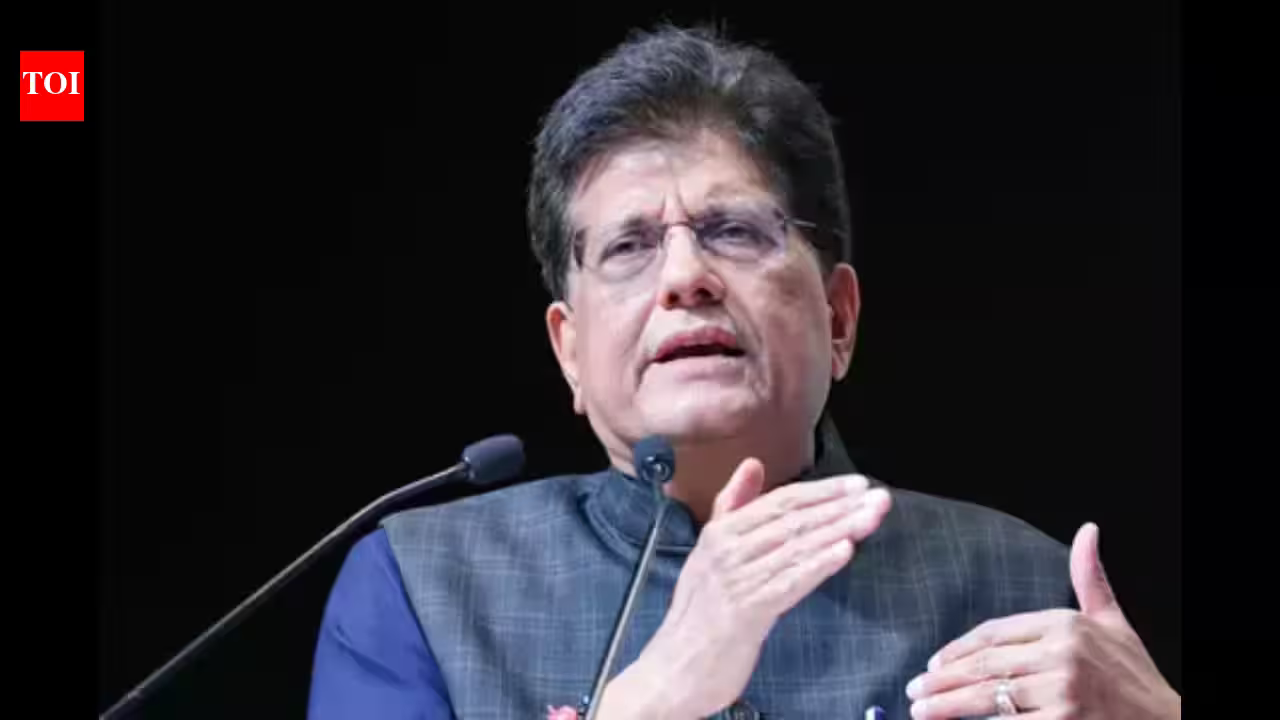
CHENNAI – Despite a volatile global landscape marked by oil supply concerns, trade tariff tensions, and the looming possibility of a rainfall deficit, the Indian economy is poised to outperform expectations. Poonam Gupta, Deputy Governor of the Reserve Bank of India (RBI), stated on Thursday that India’s GDP growth is likely to surpass the central bank’s initial projection of 6.7% for the current fiscal year.
Speaking at the Madras School of Economics during a lecture titled "Indian economy: Shocks, resilience and the way forward," Gupta underscored the inherent strength of the nation’s economic fundamentals.
"While we have projected growth at 6.7% this year, it is quite likely that the numbers may turn out to be better, based on high-frequency indicators and analysis," Gupta noted. Looking toward the medium term, she expressed strong optimism, suggesting that a 7.5% growth rate is an achievable baseline, adding that the country should "aspire to do better than that."
Resilience Amid Global Uncertainty
Addressing the audience, Gupta highlighted that the economy has demonstrated remarkable resilience despite a "shock rhythm" in recent years. She pointed to a more favorable outlook for the balance of payments (BoP), suggesting that external sector pressures are likely to ease, providing a more conducive environment for sustained growth.
One of the most striking comparisons drawn by the Deputy Governor involved the divergent debt trajectories of advanced economies versus India. Citing data from the International Monetary Fund (IMF), Gupta pointed out that advanced economies are projected to see their debt-to-GDP ratios swell from 108% in 2026 to 115% by 2031.
In stark contrast, India is moving toward fiscal consolidation. Projections indicate that India’s debt-to-GDP ratio is expected to decline from 83% in 2026 to 78% by 2031, positioning the country favorably against its global peers.
Looking Ahead
Gupta’s comments come at a time when policymakers are navigating a complex mix of domestic and international headwinds. However, her outlook suggests a "benign" period for economic management by 2027. By maintaining a focus on structural stability and leveraging the momentum of high-frequency economic indicators, the RBI leadership appears confident that India can not only weather global turbulence but also accelerate its growth trajectory to meet the 7.5% threshold and beyond.