







Anti-SIR Protests Sweep Across India: Tushar Gandhi Among Dozens Detained in Nationwide Clampdown
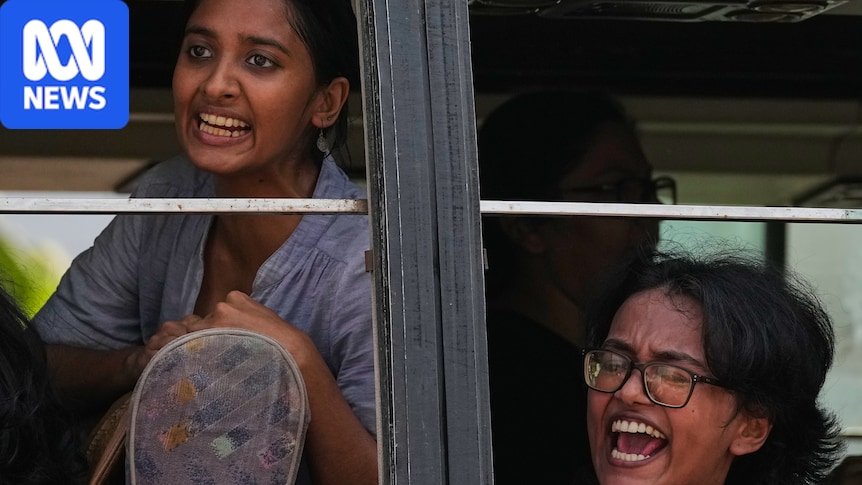
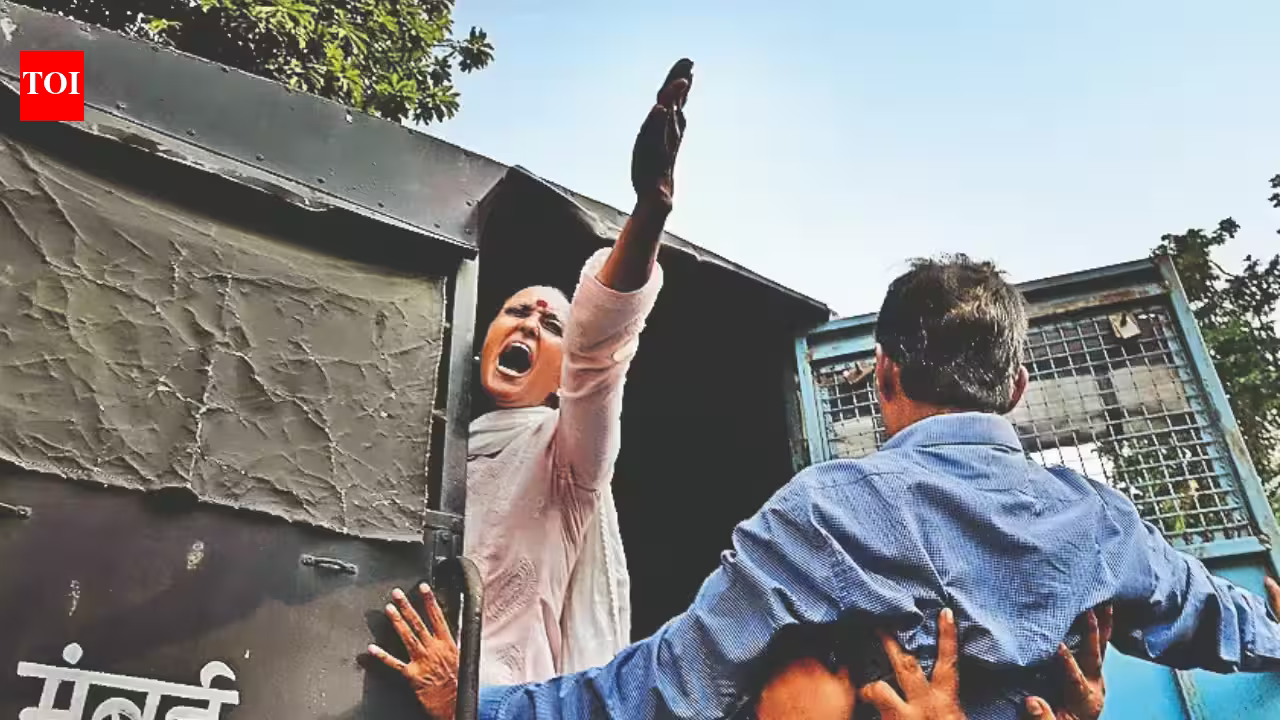
A wave of protests erupted across multiple Indian states on Saturday as demonstrators took to the streets to voice their opposition to the Summary Identification of Rolls (SIR). The coordinated dissent was met with swift and heavy-handed police action, resulting in the detention of high-profile activists, political leaders, and hundreds of concerned citizens from Mumbai to Guwahati.
Mumbai Standoff at August Kranti Maidan
In Mumbai, the epicenter of the demonstrations, authorities implemented a stringent security lockdown around the historic August Kranti Maidan. Barricades were erected to prevent protesters from congregating, yet small groups managed to assemble, leading to significant traffic disruptions and a surge in police activity.
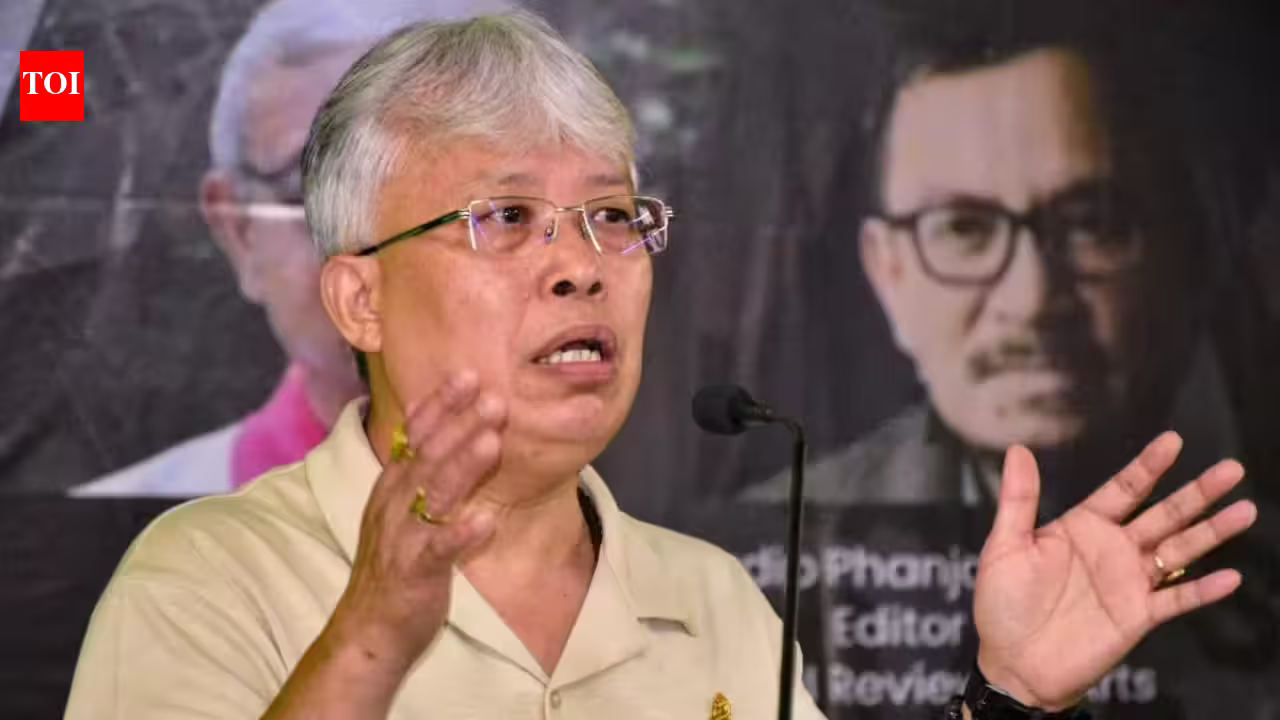
Among those taken into custody was Tushar Gandhi, the great-grandson of Mahatma Gandhi. He was intercepted by police near National College at approximately 9:30 a.m. and remained in detention for ten hours before being released in the evening. His daughter, Kasturi Gandhi, was also among those picked up by law enforcement. She reported that the sheer volume of detainees at local police stations forced officers to transport protesters to more distant facilities to manage the overcrowding. Actor Imran Khan was also among the prominent figures detained during the day’s events.
Crackdowns in Pune, Nashik, and Beyond
The unrest was not confined to the financial capital. In Pune, authorities moved to suppress a rally that lacked official clearance, detaining 92 individuals for several hours. Similarly, in Nashik, a spirited march involving approximately 300 participants—demanding the resignation of Election Commissioner Gyanesh Kumar—saw 26 protesters, including six women, taken into custody.
The movement has coalesced around a central demand: the immediate withdrawal of the SIR of poll rolls and the resignation of CEC Gyanesh Kumar.
Nationwide Discontent
The intensity of the protests reflected a growing national debate regarding electoral processes. In Vijayawada, a coalition of political parties, including the Congress, CPI, and CPM, attempted to march toward Lok Bhavan to present a memorandum to the Governor. The march was forcefully intercepted by police, leading to widespread detentions and the house arrest of several prominent activists and political leaders.
Meanwhile, in Prayagraj, the discourse expanded beyond the SIR. Activists from the Disha Chhatra Sangathan and the Naujawan Bharat Sabha protested against the current electoral framework, explicitly calling for an end to the use of Electronic Voting Machines (EVMs) in favor of a return to traditional paper ballot voting. The demonstration was monitored by heavy police presence, with surveillance drones and cameras keeping a close watch on the participants.
The ripple effects of the movement reached eastern and northeastern states as well. In Ranchi, supporters of the RJD organized a procession to protest alleged electoral irregularities, while also voicing opposition to recent amendments in mining legislation. Simultaneously, in Guwahati, nearly 300 protesters gathered at Chachal to express solidarity with the broader national movement. Despite their peaceful intent, local police successfully prevented the group from organizing a formal procession.
As of Saturday evening, authorities maintain that the detentions were necessary to prevent public disorder. However, activists remain defiant, signaling that the resistance against the current electoral roll policies is unlikely to fade despite the ongoing security pressure.
Disclaimer: This content is auto-generated for informational purposes only.
Source: Read Original News