








Iran Grants Passage Exemptions for Indian and Chinese Vessels in Strait of Hormuz
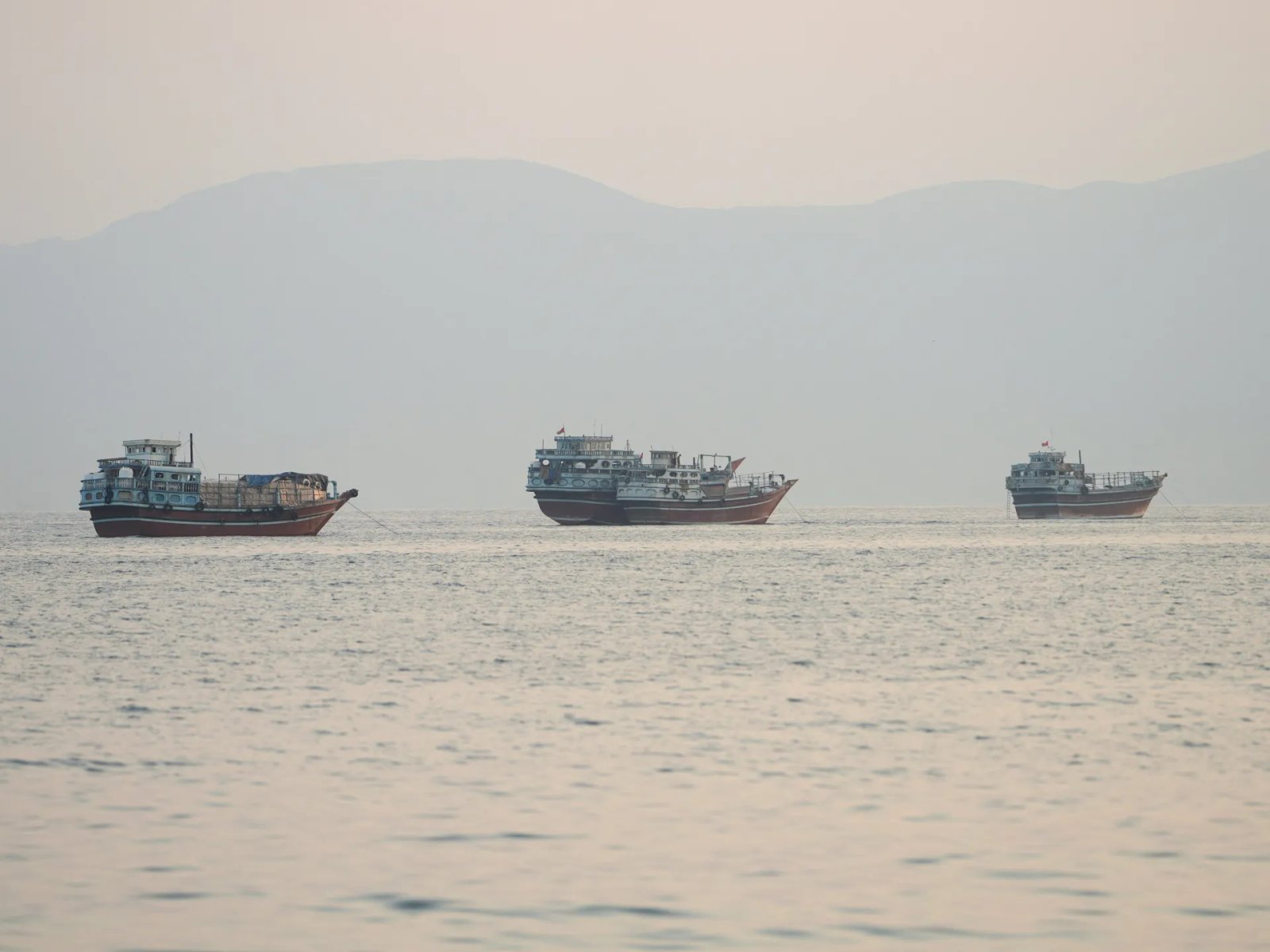
In a strategic recalibration amid the ongoing US-Israel conflict, Iran has formally exempted merchant vessels from India, China, Iraq, and Qatar from its stringent restrictions on the Strait of Hormuz. Amir Hayat Moqaddam, deputy chairman of Iran’s parliamentary National Security and Foreign Policy Committee, confirmed that ships originating from these four nations are now permitted to transit the chokepoint without fear of Iranian interference.
The move marks a significant development in the volatile Persian Gulf, where a US-imposed naval blockade has been in effect since July. Iran had largely closed the vital waterway following the onset of the conflict on February 28, creating a massive bottleneck for global energy and trade supplies.
The Logic Behind the Exemptions
Tehran’s decision appears to be a calculated effort to secure essential supplies and diplomatic breathing room while challenging the efficacy of American sanctions. According to Iranian officials, the exemptions are part of a broader “quid pro quo” arrangement.
India, which has faced severe disruptions to its energy imports and pharmaceutical supply chains, is expected to provide Iran with critical medicinal supplies in exchange for the safe passage of its vessels. China, the largest consumer of Iranian crude oil, will provide necessary political backing. Meanwhile, Qatar continues to leverage its position as a key mediator in the conflict to ensure the movement of its Liquefied Natural Gas (LNG) tankers, with Iranian officials noting that Qatari vessels will be granted passage free of transit fees.
Analysts suggest that Tehran is attempting to “poke holes” in the international embargo. By collecting transit fees—or potentially a percentage of cargo value—from Indian and Chinese vessels, Iran is creating a new revenue stream that bypasses traditional financial systems restricted by US sanctions.
Impact on Global Energy Markets
The Strait of Hormuz is the world’s most critical oil artery. Data from shipping analytics firm Kpler highlights the stakes: in October alone, roughly 42 percent of Gulf crude exports were destined for China, while India accounted for 13 percent.
For these nations, securing a maritime route is a survival imperative. However, the path remains treacherous. Despite the new Iranian assurances, safety is far from guaranteed. Over 120 commercial vessels have been struck in the region since February, including a recent attack on a Qatari LNG carrier. Market analysts remain skeptical that this announcement will lead to a rapid stabilization of energy prices, noting that the threat of escalation remains high as long as the broader US-Iran tensions persist.
Challenges to the US Blockade
The central question remains how the United States will react to these exemptions. The US Central Command maintains that its blockade applies to any vessel entering or leaving Iranian ports. However, if Washington chooses not to challenge the transit of Indian and Chinese ships, it could inadvertently signal a weakening of its pressure campaign against Tehran.
Security experts note that Iran is likely attempting to decouple the issue of maritime transit and oil exports from the more intractable nuclear negotiations. Whether this “clever move” succeeds depends entirely on whether the US deems the potential political and economic fallout of allowing these ships to sail a price worth paying to avoid a further widening of the conflict. For now, the region waits to see if these corridors will remain open or if they will become another flashpoint in a war that has already crippled global shipping lanes.
Disclaimer: This content is auto-generated for informational purposes only.
Source: Read Original News