







The Fragility of Digital Ownership in the Modern Gaming Ecosystem
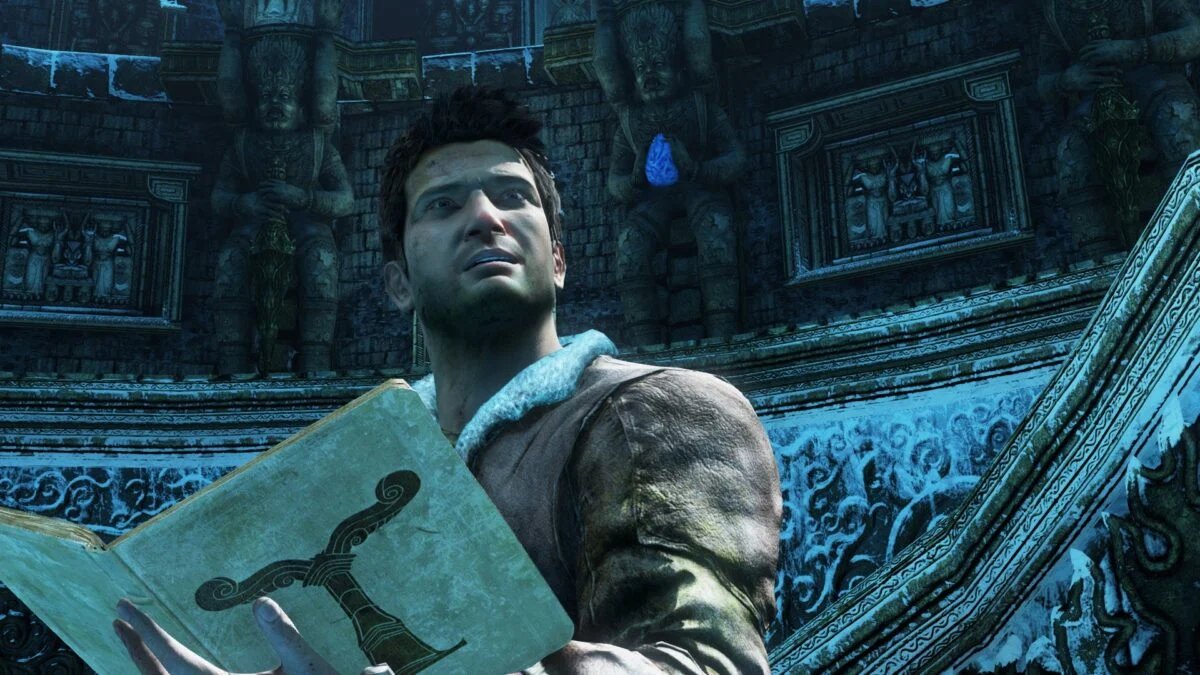
The landscape of interactive entertainment is currently undergoing a seismic shift toward a distribution model dominated by digital storefronts. As Sony continues to refine its ecosystem, recent events have highlighted the inherent instability of a platform where software availability is controlled entirely by a central authority. In recent days, several prominent first-party titles, including “Knack 2,” “Uncharted: The Nathan Drake Collection,” and “God of War III: Remastered,” vanished from the PlayStation Store across multiple regions. While these disappearances appear to be tied to localized technical oversights rather than a coordinated initiative to sunset the titles, the incident serves as a significant case study for the risks associated with moving away from physical media.
For the average consumer, these games became invisible in search results and storefront navigation without prior notice. Although users who previously purchased these titles retained access via their digital library, the inability for new customers to acquire these products illustrates how quickly an asset can be effectively scrubbed from public circulation. This situation underscores the divide between owning a physical copy, which remains functional regardless of server-side status, and holding a digital license that depends on the maintenance of a singular, corporate-managed backend.
Anatomy of a Technical Pricing Snafu
The primary catalyst for the removal of these specific titles appears to be a pricing error that originated within the Mexican PlayStation Store. Reports indicate that “God of War III: Remastered,” among others, was inadvertently listed for a price point as low as 50 cents. In automated retail systems, significant pricing discrepancies can trigger immediate safeguards designed to prevent financial loss or inventory mismanagement. When a discrepancy occurs, the standard protocol often involves pulling the product entirely from the storefront to prevent further erroneous transactions while the backend data is audited and corrected.
While the removal is a logical reaction to a technical error, the lack of transparency during the process creates confusion. Consumers searching for these games were met with empty results pages, leading to speculation regarding the potential end of life for these specific software packages. This incident highlights the sensitivity of digital retail systems, where a single integer error in a database can halt the distribution of a major AAA title globally. The speed at which these titles were pulled demonstrates the high level of automated control Sony maintains over the PlayStation Store environment, allowing for rapid, unilateral changes to the retail landscape.
The Implication of an All-Digital Strategy
Sony has increasingly signaled its intent to pivot toward a predominantly digital future, with industry projections pointing toward 2028 as a pivotal year for the abandonment of physical media support. This transition is framed as a benefit for logistics, production efficiency, and instant accessibility. However, the move places immense pressure on the reliability of the PlayStation Network and the permanence of digital licenses. When a company controls both the hardware platform and the sole software delivery mechanism, the consumer loses the alternative acquisition channels that traditionally characterize a healthy market.
In a physical distribution model, even if a company ceases to support a game, secondary markets allow the software to remain in circulation. In a digital-only ecosystem, if a title is delisted due to licensing disputes, technical errors, or strategic pivots, it ceases to exist for all practical intents and purposes for new users. As the industry moves closer to this digital-only standard, the mechanisms for ensuring that software remains available to the public become a point of contention between developers, publishers, and the player base.
Protecting Access in a Dynamic Digital Environment
The temporary delisting of titles like “Uncharted: The Nathan Drake Collection” raises concerns regarding historical preservation. As game development studios iterate on franchises, existing titles serve as necessary context for future entries. If legacy titles are rendered unavailable—whether by accident or design—the onboarding process for new players becomes fragmented. The preservation of interactive media is not merely about hobbyist collection; it is essential for the continued success of long-running franchises that rely on a legacy of narrative and gameplay evolution.
From a technical perspective, the solution lies in more robust metadata management and rigorous testing of storefront updates before deployment. Implementing better version control for pricing and availability settings could prevent global outages when regional stores experience anomalous data. Furthermore, communication protocols should be established to inform users when a title is temporarily removed for maintenance, rather than allowing the product to simply vanish from visibility. Clearer messaging would reduce the friction between the service provider and the consumer base during incidents that are purely technical in nature.
Future Outlook for Digital storefront Integrity
As the industry moves forward, the pressure on Sony to maintain a transparent and reliable storefront will only intensify. The expectation of reliability is a foundational pillar of the digital gaming model; if users cannot trust that their store will remain stable and that titles will remain accessible, the adoption of all-digital hardware will be met with skepticism. The recent removal of games due to pricing errors is a reminder that even the largest entities are susceptible to the complexities of managing a massive, global database of software licenses.
Moving toward 2028, the industry must develop better strategies for handling the complexities of digital retail. Whether through improved system redundancy, clearer user notifications during technical disruptions, or a more nuanced approach to how digital ownership is defined, Sony and its competitors must ensure that their systems are robust enough to withstand errors without compromising the user experience. Until then, the incident serves as a pertinent lesson for both the industry and the player: in a world governed by digital toggles, availability is always a privilege of the current network state, not a guaranteed right of the purchase.
Disclaimer: This content is auto-generated for informational purposes only.
Source: Read Original News