








Consolidating the Smart Home Ecosystem
Google has announced a definitive roadmap to unify its smart home infrastructure, signaling the end of the legacy Nest application and the transition of its voice-controlled interface from Google Assistant to Gemini for Home. This strategic shift represents a long-term plan to move away from fragmented management tools, centering all hardware and intelligence operations within the Google Home ecosystem. The transition is designed to create a singular point of control for users, reducing the technical friction caused by managing disparate platforms like the original Nest app alongside the modern Google Home interface.
By retiring the Nest application, Google is effectively ending the era of the separate, legacy Nest account system. The company has established a hard deadline of January 25, 2027, for this migration. After this date, all management functions for legacy hardware—including Nest thermostats, security cameras, and Nest Protect smoke and carbon monoxide detectors—must be performed through the Google Home app. This consolidation ensures that all devices operate under the same software umbrella, allowing for improved interoperability between security hardware and broader smart home automation routines.
Managing the Migration and Data Transition
The technical transition process for users is designed to be largely automated, though it requires users to proactively set up the Google Home environment before the cutoff date. For those who complete the setup in the Google Home app, the platform will automatically migrate existing device configurations, camera settings, and video history archives. This ensures that the transition period does not result in a loss of security footage or historical usage data.
Crucially, Google is also simplifying its subscription management. Users currently utilizing the Nest Aware (1st Gen) service will see their subscriptions automatically transitioned to the Google Home Premium tier. This migration path is intended to maintain continuous service for security monitoring without requiring manual intervention from the user. However, the company has set a clear finality to this process; any data remaining associated with standalone Nest accounts will be permanently deleted by March 25, 2027. This move serves to clear out legacy cloud infrastructure and force full compliance with the modern unified privacy and data management policies now inherent in the Google Home platform.
The Evolution of Voice Intelligence
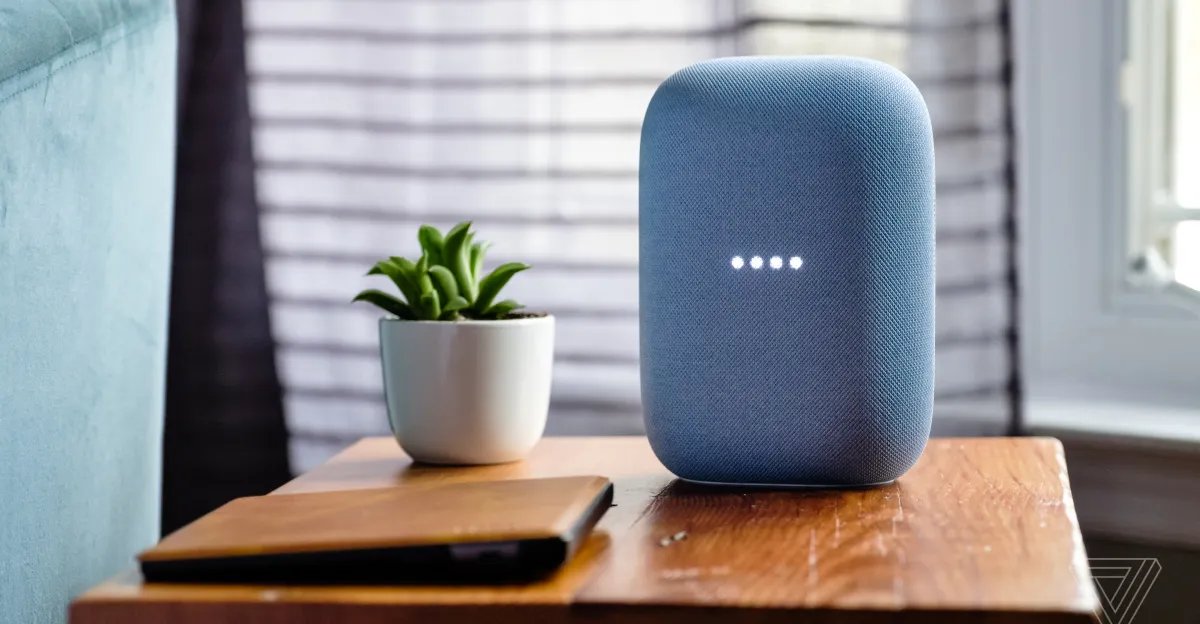
Beyond the management interface, the most significant change involves the underlying logic governing voice interaction. On August 2, 2027, Google will officially replace Google Assistant with Gemini for Home on all supported smart speakers and smart displays. This is a fundamental architectural change; while Google Assistant was built primarily on a system of intent recognition and pre-defined command triggers, Gemini for Home is a generative artificial intelligence model.
This shift moves smart home interaction away from the rigid syntax required by older voice assistants. Google suggests that users will no longer need to rely on specific, memorized phrasing to control home appliances or query information. Instead, the model is built to process complex, multi-layered requests. By leveraging large language model capabilities, Gemini for Home can interpret natural language, understand context over a series of interactions, and provide more nuanced responses to queries regarding home security or automation status.
Implications for Home Automation
The transition to a generative AI-based assistant carries significant implications for how users design and execute home automation routines. Google Assistant often struggled with “cascading” commands or complex queries that required an understanding of both the device state and the user’s intent. Gemini for Home is engineered to handle these layers of logic more effectively. For instance, a user might request that the system adjust environmental settings based on a broad description of their preferences rather than needing to trigger individual, hard-coded scenes.
This change also suggests that the smart home will become more proactive. Because generative models excel at pattern recognition, the platform is expected to suggest improvements to automation schedules or identify anomalies in smart home behavior more accurately than the previous heuristic-based systems. While the transition will require users to adjust to a new voice-interaction paradigm, the potential for a more responsive and intelligent home environment is the primary objective behind this architectural upgrade.
Strategic Rationale and Future Preparedness
The move to sunset Google Assistant in favor of the Gemini model is consistent with Google’s broader corporate strategy. Having already integrated the Gemini interface into its mobile operating systems and workspace tools, the company is attempting to establish a consistent user experience across every point of interaction. By standardizing the engine that powers its smart home hardware, Google simplifies its development pipeline. Engineers can focus on refining a single AI model rather than maintaining different command-parsing frameworks for mobile devices, tablets, and stationary smart speakers.
As the industry moves toward greater reliance on edge computing and generative AI, the requirement for a modern software foundation becomes critical. The retirement of the Nest app and the phasing out of the legacy Google Assistant are necessary steps to remove technical debt from the ecosystem. While the multi-year timeline provides users with a long runway to prepare for these changes, it also underscores the reality that the smart home of the future will be defined by unified platforms and contextual AI rather than individual apps and discrete voice commands. Users are encouraged to prepare for these changes by monitoring their account settings and familiarizing themselves with the Google Home interface well before the official 2027 deadlines.
Disclaimer: This content is auto-generated for informational purposes only.
Source: Read Original News