






The Strategic Imperative of India-US Trade Negotiations
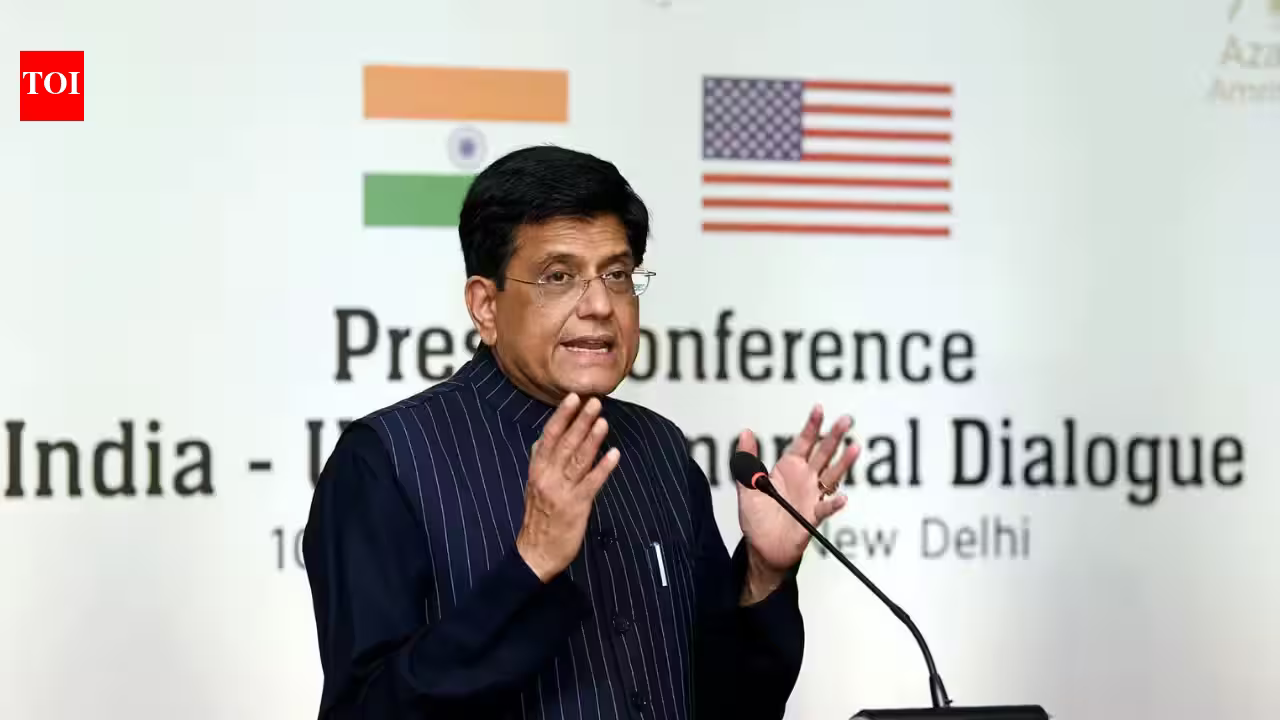
The upcoming visit of Commerce and Industry Minister Piyush Goyal to the United States for the G20 trade ministerial meeting marks a critical juncture in the evolving economic partnership between the two nations. As the global geopolitical landscape shifts, the bilateral engagement between India and the US has moved beyond simple commodity exchange toward a comprehensive strategic alignment. However, this progress is currently navigating a complex maze of regulatory hurdles and protectionist policies that demand sophisticated diplomatic maneuvering.
At the center of these discussions is the pursuit of a formal trade deal that addresses long-standing grievances while facilitating deeper market integration. The urgency is underscored by the US government’s evolving tariff architecture. American authorities have recently adopted a more aggressive stance, imposing additional tariffs ranging from 10 to 12.5 percent on more than 50 nations. These measures are largely driven by mandates related to labor practices and systemic concerns regarding structural overcapacity. For India, the primary challenge lies in navigating the ongoing Section 301 investigations, which are scrutinizing industrial policies and market access conditions. Balancing domestic manufacturing aspirations under the Make in India initiative with US expectations for liberalized trade remains the central tension in these negotiations.
Navigating Regulatory Headwinds and Section 301 Investigations
The Section 301 investigations represent a significant variable in the bilateral relationship. These probes, often precursors to retaliatory tariff actions, create a climate of uncertainty for exporters and multinational corporations alike. The US government is increasingly focused on the concept of structural overcapacity, where specific sectors—particularly those supported by government incentives or subsidies—are viewed as distorting global market prices.
For the Indian policy establishment, the argument is that its industrial incentives, such as the Production Linked Incentive (PLI) schemes, are designed to build domestic capability rather than engage in predatory pricing. The upcoming meetings in Milwaukee are expected to serve as a high-level forum to articulate this distinction. If India can demonstrate that its industrial growth aligns with global supply chain diversification strategies—often referred to as “friend-shoring”—it may find a more receptive audience among US policymakers. Failure to align these viewpoints, however, risks the imposition of punitive tariffs that could disrupt critical sectors like textiles, pharmaceuticals, and engineering goods, which are currently significant contributors to the Indian export basket.
Deepening Corporate Synergy and CEO Engagement
Beyond the government-to-government discussions, Minister Goyal’s planned meetings with American CEOs highlight the critical role of private sector participation in sustaining the trade relationship. In the current global business environment, investment flows are inextricably linked to policy predictability. American firms are increasingly looking at India as a viable alternative for manufacturing and global capability centers (GCCs), yet they remain sensitive to regulatory stability and the ease of conducting business.
By engaging directly with the leadership of major American corporations in Chicago and Milwaukee, the Indian delegation aims to provide clarity on the country’s long-term economic roadmap. These interactions are essential for signaling to the investor community that India is committed to resolving administrative bottlenecks and fostering an environment conducive to technology transfer and high-value manufacturing. From the perspective of US companies, the interest lies in securing consistent access to India’s burgeoning domestic market, which has become a vital engine of growth for multinationals facing saturation in developed economies. The challenge for the government is to translate this corporate enthusiasm into tangible trade concessions that benefit the broader Indian economy without sacrificing the interests of local MSMEs.
The Global Context of G20 Trade Discussions
The G20 forum provides a broader stage to discuss issues that transcend bilateral relations, such as supply chain resilience, digital trade, and the reform of the World Trade Organization (WTO). As trade ministers congregate to discuss the future of the global trading system, India’s position is that of a vocal advocate for the developing world. The Indian delegation is expected to push for a rules-based trading order that protects the interests of emerging economies while addressing the volatility caused by unilateral tariff impositions.
This position is particularly relevant given the fragmentation of global supply chains. As the world moves away from a singular reliance on Chinese manufacturing, the US is actively scouting for partners who can provide stable, sustainable, and transparent production capabilities. India stands to gain significantly from this shift, provided it can navigate the US tariff regime. The discussions in Milwaukee will likely reflect this reality, as trade ministers attempt to find common ground on labor standards and climate-related trade policies, which are increasingly being integrated into global trade agreements by the US and the European Union.
Economic Prospects and the Path Toward Resolution
Looking ahead, the resolution of these trade issues will likely be a gradual process rather than a singular event. The US strategy regarding tariffs is deeply tied to domestic political cycles and the prevailing mood in Washington regarding industrial protectionism. Consequently, the Indian approach must be one of patient, data-driven diplomacy. By emphasizing the complementary nature of the two economies—where the US provides innovation, capital, and technology, and India provides a skilled workforce, market scale, and manufacturing competitiveness—there is a strong foundation for a mutually beneficial agreement.
The outcome of the talks will not only impact bilateral trade figures but will also set a precedent for India’s engagement with other developed economies. A successful navigation of the current tariff-related friction could act as a template for future trade deals, positioning India as a primary beneficiary of the global realignment of trade flows. However, this requires a disciplined policy approach that prioritizes transparency and competitive integrity. As the G20 trade ministerial meeting concludes, the market will be looking for signs of a breakthrough in the Section 301 investigations and a clearer roadmap for addressing industrial overcapacity. For India, the goal is clear: to leverage its strategic importance to secure favorable trade terms while ensuring that its domestic industries remain protected and competitive in an increasingly guarded global marketplace.
In conclusion, the visit of Minister Goyal is a test of India’s economic diplomacy. The intersection of US tariff strategy, industrial policy concerns, and the necessity of sustaining private investment necessitates a high level of coordination. If the dialogue effectively bridges the gap between US protectionist concerns and India’s developmental goals, it will cement the bilateral trade relationship as a cornerstone of the global economy for the next decade. The path forward is complex, but the potential for long-term integration remains high for those who can successfully navigate the current regulatory, political, and competitive landscape.
Disclaimer: This content is auto-generated for informational purposes only.
Source: Read Original News