






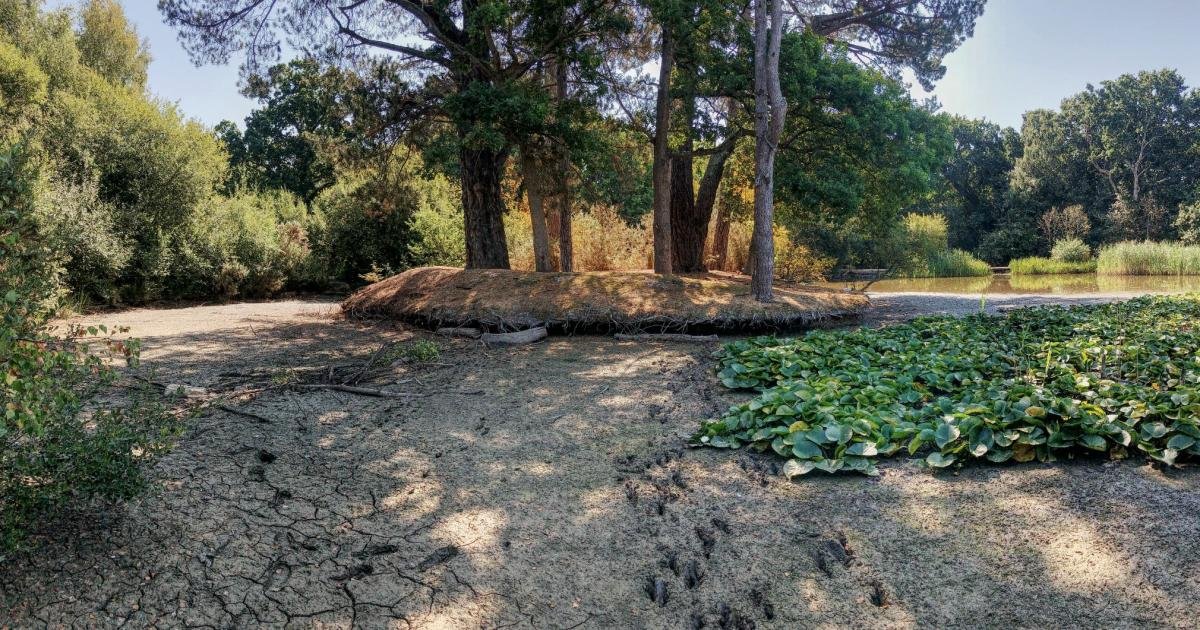
The move comes after an extended spell of below‑average rainfall combined with higher‑than‑normal temperatures, which has left around half of England in drought conditions.
The drought has led to falling river levels, early crop harvesting, increased wildfire risks, and water use restrictions for millions.
Helen Wakeham, director of water at the Environment Agency and chair of the National Drought Group, said: “The hot and dry weather means we are currently using water faster than nature can replenish it.
“A second consecutive summer drought is an exceptionally serious situation and one that will have long-lasting impacts on our environment, wildlife, and the economy.
“We want everyone to stay safe and hydrated during the hot weather but every drop we can save is a drop more for nature and agriculture.”
The Environment Agency has intensified its operational response, increasing monitoring and regulating how much water can be taken from rivers and groundwater sources.
A major drought briefing was held on Tuesday, July 28, involving the National Drought Group.
The group includes the Met Office, government officials, regulators, water companies, farmers, the Canal & River Trust, anglers, and conservation experts.
During the briefing, they discussed drought impacts, preparedness, and response actions.
Water companies were urged to focus on repairing leaks.
Emma Hardy, water minister, said: “Our climate is changing, droughts are becoming increasingly common, and we need to be prepared for this new normal.
“We’re delivering long-term change in the water industry and driving record investments in infrastructure, including nine new reservoirs.
“We expect water companies to follow their drought plans, to go further and faster to reduce leaks, and to ensure supplies are not disrupted even in the driest of weather.”
There is also additional engagement with key groups, such as farmers and water companies, and cross-government work to secure supplies into the autumn.
Three droughts have now been recorded in the past five years: 2022, 2025, and 2026.
Six other areas have been named, including East Anglia, Hertfordshire and the whole of London, Thames Valley, Devon and Cornwall, the West Midlands, and Wessex.