








Himalayan Meltdown: New Climate Report Sounds Alarm for India’s Water Security
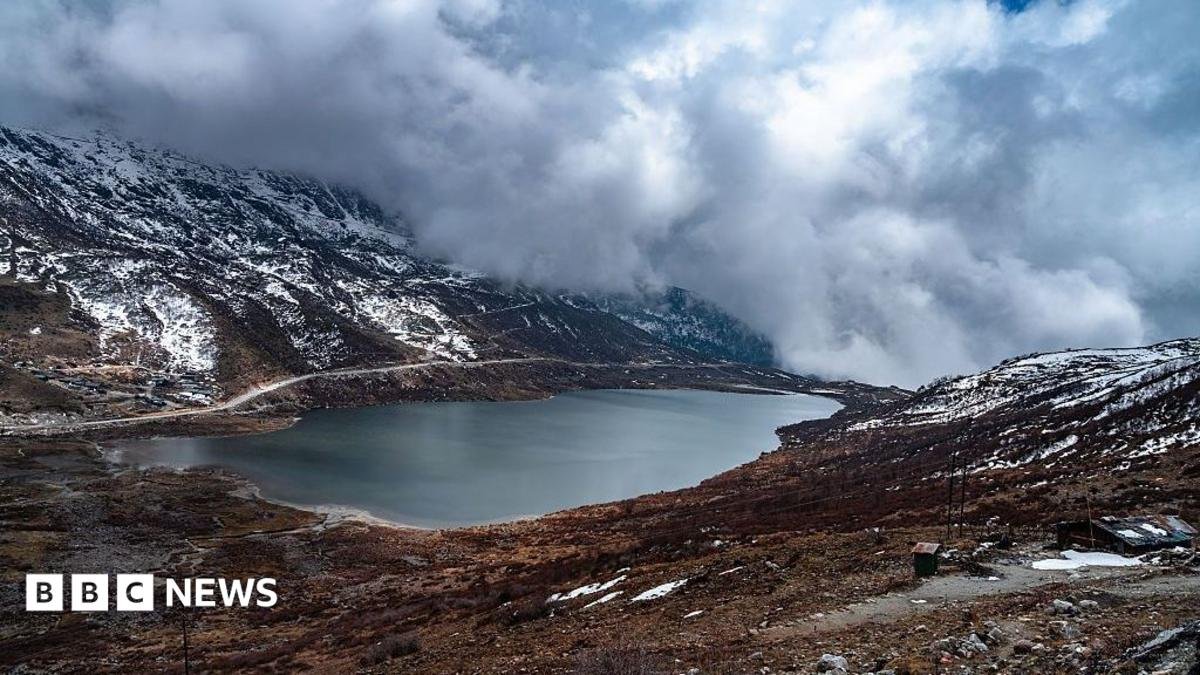
A startling new climate assessment has ignited urgent discussions across India’s policy circles, revealing that Himalayan glaciers—the “Third Pole” of the planet—are receding at an unprecedented rate. The report, which synthesizes decades of satellite imagery and geological data, warns that the rapid melting of these frozen reservoirs poses an existential threat to India’s hydrological stability, national economy, and the millions of people residing in the foothills.
The Great Drying: A Crisis for the Indus and Ganges
For decades, the Himalayas have served as a reliable water tower for the Indian subcontinent, feeding the perennial river systems that sustain the country’s agricultural heartlands. However, the current pace of glacial retreat threatens to disrupt this delicate balance. Scientists highlight a “peaks and valleys” scenario: in the short term, the increased runoff from melting ice may cause devastating flash floods and debris flows in states like Uttarakhand and Himachal Pradesh. In the long term, however, once the glaciers shrink past a critical threshold, the flow of major rivers—including the Indus, Ganges, and Brahmaputra—will diminish significantly.
This potential reduction in water volume during the dry season could cripple India’s food security. With over 60% of India’s agriculture remaining dependent on rain-fed or glacial-fed irrigation, a decline in river levels threatens the livelihoods of hundreds of millions of farmers and could lead to severe spikes in food inflation.
Economic and Infrastructural Vulnerabilities
The economic ramifications of this environmental shift are multifaceted. Beyond the immediate impact on agriculture, India’s massive hydroelectric power infrastructure is under threat. Much of India’s renewable energy strategy relies on the consistent flow of glacial-fed rivers to power dams. As meltwater patterns become erratic, the reliability of these plants comes into question, potentially destabilizing energy grids that are already struggling to keep pace with the nation’s growing industrial demands.
Furthermore, the report notes that the increased frequency of “Glacial Lake Outburst Floods” (GLOFs) puts critical infrastructure, such as bridges, mountain roads, and settlements, at constant risk. The cost of disaster management and reconstruction, which has already climbed into the billions of rupees over the last five years, is projected to accelerate as the topography of the high-altitude landscape becomes increasingly unstable.
Policy Shifts and the Path Forward
The findings have prompted calls for a massive overhaul of India’s climate adaptation policies. Experts argue that India must move beyond reactive disaster management and toward a proactive, landscape-based resilience strategy. This includes the massive restoration of high-altitude wetlands, which act as natural sponges, and the implementation of more sophisticated water-harvesting technologies to manage the volatile seasonal flows.
On the international front, the report adds weight to India’s stance in global climate negotiations. As a nation that contributes relatively little to global greenhouse gas emissions yet bears a disproportionate burden of the Himalayan meltdown, India is increasingly using such findings to demand greater climate finance and technology transfers from industrialized nations.
“We are essentially living on borrowed time,” noted one climate researcher associated with the study. “The Himalayas are not just a static mountain range; they are the lifeline of the Indian economy. If we do not treat their protection as a national security priority, we are risking a water crisis that could define the second half of this century.”
As the government evaluates these findings, the consensus among scientists is clear: the era of glacial stability is over. The challenge now lies in how effectively the nation can pivot toward sustainable water management and climate-resilient infrastructure before the “Third Pole” reaches a point of no return.
Disclaimer: This content is auto-generated for informational purposes only.
Source: Read Original News