








Himalayan Glaciers Near Critical Tipping Point, New Report Warns
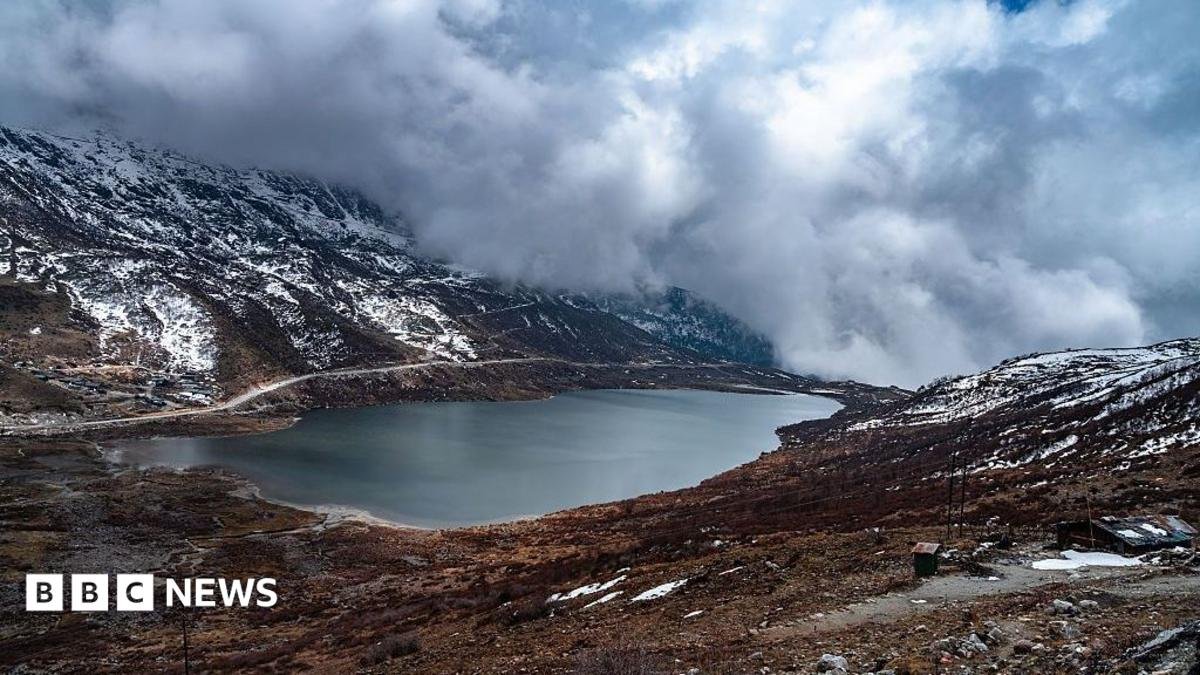
The Himalayas, often referred to as the “Third Pole,” are facing a climate catastrophe that threatens the stability of an entire continent. A ground-breaking new report from Systemiq highlights that the ecological systems underpinning this vast mountain range are nearing a dangerous tipping point, endangering the lives and livelihoods of millions across South Asia. Experts are warning that the rate of glacial retreat has accelerated significantly over the last ten years, creating a crisis that requires immediate, collective action.
Tackling the ‘Black Carbon’ Crisis
While much of the global debate around climate change focuses on greenhouse-gas emissions—a challenge that requires international consensus—the report identifies a powerful, localized lever for change: black carbon. Systemiq researchers estimate that approximately one-third of the current Himalayan glacial melt is directly attributable to black carbon pollution, much of which originates from brick kilns located in the plains.
When this soot settles on snow and ice, it reduces the surface albedo, causing the glaciers to absorb more sunlight and melt at an alarming rate. Unlike global carbon emissions, which are difficult to curb overnight, black carbon is a pollutant that India and its regional neighbors can address directly through technological upgrades in industry and stricter emission regulations. By cleaning up these industrial processes, the region could significantly slow the rate of glacial decline.
Rethinking Tourism and Infrastructure
The human impact on the mountains is not limited to air pollution. The report draws attention to the massive influx of tourism in the Indian Himalayan region, which sees nearly 400 million visitors annually. Researchers argue that current models, which prioritize sheer visitor volume, are unsustainable. The report calls for a shift toward “high-value” tourism, where the economic benefits are retained and reinvested within local mountain communities to bolster environmental protection rather than merely exhausting local resources.
Furthermore, the report outlines ten priority transitions needed to safeguard the region. These include the expansion of glacier monitoring networks and the implementation of robust, trans-boundary disaster early-warning systems. Strengthening disaster preparedness is essential, with experts recommending that governments establish pre-agreed protocols for evacuations and infrastructure protection to be triggered as soon as hazards emerge.
A Call for Trans-border Cooperation
The challenges facing the Himalayas are inherently interconnected, ignoring the political borders etched into the landscape. Pema Gyamtsho, director general of the International Centre for Integrated Mountain Development (ICIMOD), emphasized that the risks are becoming increasingly complex and “cascading.” As glaciers retreat, high-mountain slopes become unstable, leading to unpredictable landslides and flood events that ripple downstream across international boundaries.
“No single country can address these hazards alone,” Gyamtsho noted. The research underscores that the safety of hundreds of millions of people depends on shared risk information and collaborative investment in climate resilience. As the Himalayas serve as the water tower for Asia, protecting this ecosystem is not merely an environmental concern—it is a foundational requirement for the economic and physical security of the entire subcontinent. The time for unilateral action has passed; the urgency of the moment demands a unified, science-led strategy to protect the region from reaching a point of no return.
Disclaimer: This content is auto-generated for informational purposes only.
Source: Read Original News