









The Ford Mustang has remained a centerpiece of American automotive culture since its introduction in the 1960s. As the market shifts toward electrification and complex digital interfaces, the Mustang stands as one of the few remaining bastions of traditional internal combustion muscle. While the latest models provide modern refinements and high-output performance, the price of entry into the new-car market can be steep. Fortunately, the secondary market offers a deep catalog of performance platforms that deliver substantial power and handling dynamics for a fraction of the cost of a modern showroom vehicle.
Evaluating the Performance-to-Value Ratio
For buyers seeking high-speed performance without the burden of a heavy car payment, looking toward previous generations of the Mustang provides a compelling financial strategy. Several iterations of the Mustang, particularly those produced in the 1980s and the early 2000s, currently trade at values significantly lower than the MSRP of a base 2026 model. These vehicles serve as excellent entry points for enthusiasts who prioritize mechanical engagement and customization potential. By analyzing valuation data from industry experts, it is clear that certain models have depreciated to a point where they represent significant mechanical value.
The Turbocharged Experiment: 1985 Ford Mustang SVO
The Ford Mustang SVO represents a unique chapter in the nameplate’s history. Developed by Ford’s Special Vehicle Operations department, this vehicle utilized a turbocharged 2.3-liter inline-4 engine, standing in stark contrast to the V8-dominated muscle car segment of the era. The 1985.5 model year, in particular, saw output rise to 205 horsepower. Beyond the engine, the SVO featured suspension and brake upgrades that prioritized handling precision over raw straight-line acceleration. Currently, these vehicles offer an affordable way to own a piece of Ford performance history, with market values remaining stable, making them a relatively low-risk acquisition for those interested in a focused, nimble driving machine.
The Fox Body Utility: 1989 Mustang 5.0 LX
The Fox body platform is widely recognized for its high power-to-weight ratio and its enduring popularity in drag racing circles. The 1989 Mustang 5.0 LX is a prime example, offering a robust 5.0-liter V8 engine capable of delivering 225 horsepower. This model is celebrated for its ability to produce sub-15-second quarter-mile times, a figure that remains respectable even by modern standards. For budget-conscious buyers, the hatchback and convertible configurations of the 5.0 LX often trade at a lower price point than the more coveted coupe, providing a high-performance engine and a classic rear-wheel-drive architecture at an accessible price.
Retro Styling and Modern Muscle: The 2005 GT
When Ford introduced the S197 generation in 2005, the company successfully married modern engineering with the aesthetic cues of the original 1960s Mustangs. Under the hood lies a 4.6-liter modular V8 engine generating 300 horsepower. This platform is frequently cited as the quintessential bridge between the analog driving experience of the past and the safety and reliability requirements of the modern era. With a 0-to-60 mph time of approximately 5.2 seconds, the 2005 Mustang GT provides a balanced performance profile. It remains one of the most reliable entry points for those looking for a daily-drivable sports car that maintains a distinct muscle car identity.
The Efficiency Shift: 2015 Mustang EcoBoost
As consumer preferences shifted toward better fuel efficiency and lighter chassis dynamics, Ford introduced the EcoBoost engine to the Mustang lineup. The 2015 model marks a significant milestone in this transition. Despite having four fewer cylinders than the traditional GT, the 2.3-liter turbocharged unit produces 310 horsepower. This model year benefits from a sophisticated independent rear suspension setup, which fundamentally transformed the handling characteristics of the Mustang compared to older, solid-axle predecessors. For those who prioritize agility and modern infotainment integration, the 2015 EcoBoost is a highly functional and efficient performance vehicle that holds its own in both city driving and technical road segments.
High-Output Sophistication: 1999 SVT Cobra and 2007 GT500
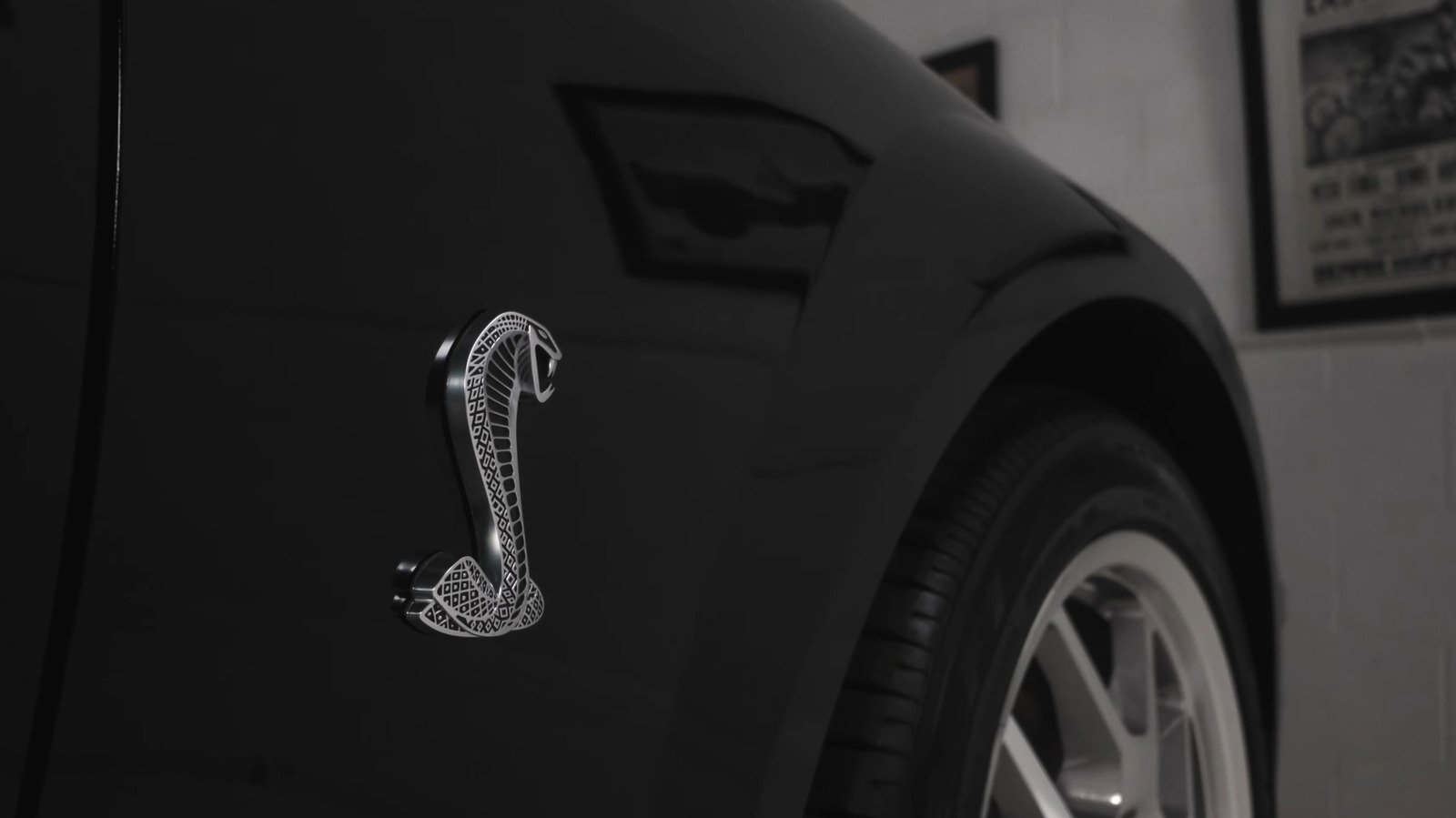
At the higher end of the used performance spectrum, vehicles like the 1999 SVT Cobra and the 2007 Shelby GT500 offer elevated engineering standards. The 1999 SVT Cobra features a 320-horsepower quad-cam 4.6-liter V8 and advanced independent rear suspension, offering a more refined driving experience than the standard GT models of that year. Moving to the 2007 Shelby GT500, the stakes are raised significantly with a 500-horsepower output. While these vehicles often carry higher acquisition costs due to their limited production status and collector value, they provide a level of performance—including launch control and high-speed stability—that rivals modern sports cars. These models demonstrate that for a specific segment of the enthusiast market, investing in a high-performance variant can provide superior long-term value and an uncompromised experience behind the wheel.
Disclaimer: This content is auto-generated for informational purposes only.
Source: Read Original News