







Summer 2026: Extreme Heat Pushes Welsh Wildlife to the Brink of Collapse
As the scorching heat of summer 2026 continues to batter the UK, experts are warning that the country’s natural ecosystems are facing a profound crisis. From record-breaking river temperatures to forests suffering from “summer branch drop,” the relentless climate conditions are stressing wildlife to a point where recovery may take years.
A Crisis in the Waterways
The lower River Wye reached a staggering 27.7°C in late June—a temperature typically associated with tropical marine conditions. For David Mee, a lead specialist adviser at Natural Resources Wales (NRW), the data is deeply alarming.
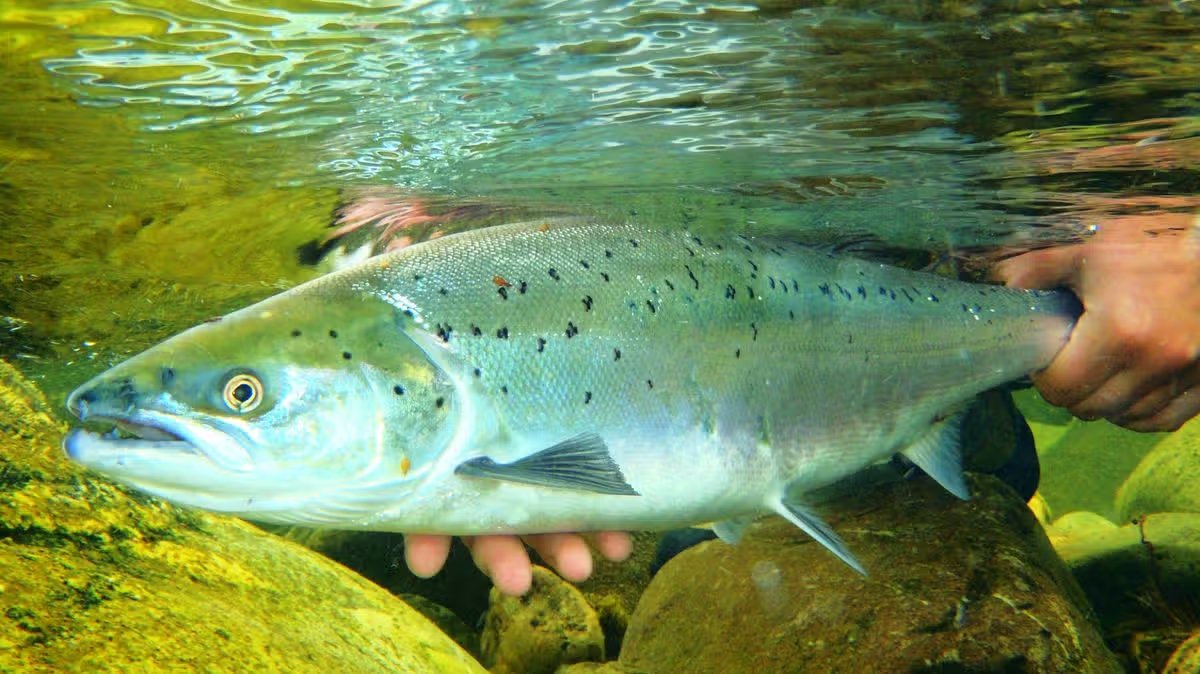
“Salmon are probably the most vulnerable freshwater fish to low river flows and high temperatures,” Mr. Mee explained. “We are fairly close to a point where many of our 22 principal salmon rivers may no longer be able to sustain their iconic fish populations.”
The threshold for survival is narrow. When water temperatures exceed 20°C, the risk of mortality for salmon—particularly during catch-and-release angling—rises sharply. Between March and August, the lower Wye saw temperatures surpass this critical threshold on 72 separate days. At 27°C and above, the environment becomes lethal for adult salmon, while even egg development is compromised at temperatures above 12°C.
While mass die-offs have been avoided thus far, the cumulative effect of repeated heatwaves over the last six years is reaching a tipping point. Efforts are underway to mitigate these risks through peatland restoration and increased tree planting along riverbanks to provide essential shade, though experts warn that these measures are still in their infancy.
Forests Under Pressure
The stress of the heat is equally visible on land. Trees across Wales and England are turning brown prematurely, and many are shedding branches in a phenomenon known as “summer branch drop.”
Professor Mary Gagen, a geographer at Swansea University, likens the process to an act of survival. “What trees are doing in a drought is getting rid of things they can’t spend energy on,” she said. As soil moisture vanishes, trees struggle to maintain the “straw-like” internal water columns required for photosynthesis. Some are even experiencing “cavitation,” where air bubbles infiltrate the trunk’s water vessels, effectively pulling the tree’s internal transport system apart.
This volatility has contributed to an increased wildfire risk, with recent, unusual blazes in Carmarthenshire serving as a grim reminder of how flammable the landscape has become.
The Resilience and Vulnerability of Pollinators
The impact is not uniform across all species. While the Bumblebee Conservation Trust reports that many wild bumblebee populations are struggling as they literally overheat at temperatures above 40°C, honeybees appear to be faring better.
Gruffydd Rees, a beekeeper managing 500 hives across West Wales, noted that honeybees possess a “built-in air conditioning system” that allows them to regulate hive temperatures through vibration and fanning. Despite a dry spell that halted the late-summer nectar flow, Mr. Rees anticipates a better-than-average harvest, highlighting the remarkable adaptability of these insects.
A Long Road to Recovery
The UK’s three warmest years on record have all occurred recently—2022, 2023, and 2025—with climate scientists confirming that human-induced climate change has made such extremes significantly more likely.
While recent rainfall and cooler temperatures offer a brief respite, the environmental toll remains heavy. “It’s going to take quite some time for our rivers to recover,” says Mr. Mee. As the nation grapples with these record-breaking temperatures, the resilience of the UK’s natural world is being tested as never before.