








The Green Revolution in Your Backyard: Why Americans Are Ditching the Traditional Lawn
For years, the pristine, chemically-treated carpet of green grass was the ultimate American suburban status symbol—a holdover from European aristocracy that suggested wealth and order. But across the United States, that rigid aesthetic is being uprooted. From Highland Park, Illinois, to Fort Collins, Colorado, homeowners are trading their pesticide-heavy turf for thriving, biodiverse ecosystems, sparking a national movement to turn private property into a sanctuary for nature.
From Turf to Habitat
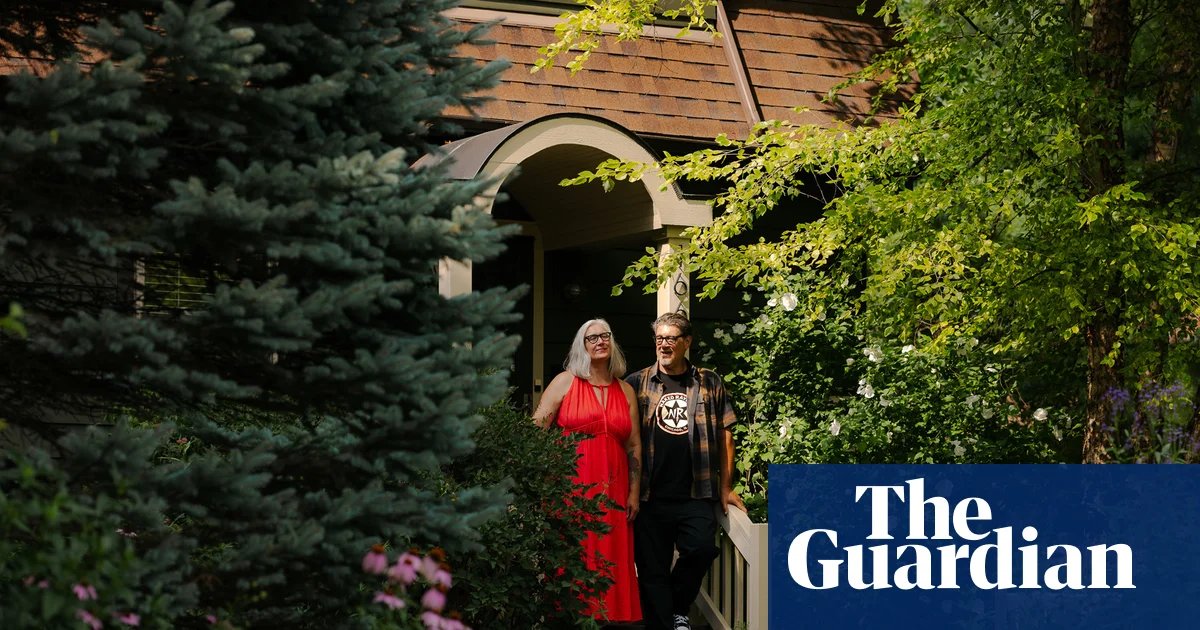
James Reed McGuire and Crystal Fritz were unlikely pioneers. After moving from Chicago to the suburbs, they found themselves staring at a lifeless patch of lawn. McGuire, an avid birder, grew frustrated with turf that offered nothing to the local environment. With no horticultural training, the couple began the difficult but rewarding process of “rewilding” their yard.
“It brings us a lot of peace and tranquility in a very troubled world,” says McGuire. Today, their garden is a bustling haven for birds, butterflies, bees, and even foxes. Their transformation of the property was so impactful that the National Wildlife Federation designated it a Certified Wildlife Habitat in 2023.
The Problem with the Perfect Lawn
Entomologist Doug Tallamy, a leading voice in the movement, notes that the obsession with lawns has environmental consequences that go deeper than aesthetics. Most residential lawns consist of non-native grass species with shallow roots, which fail to sequester carbon or effectively manage water runoff. This results in chemical-laden water entering local watersheds and a collapse of the local food web, which relies on native insects that cannot survive on non-native grass.
“We are headed towards a sixth extinction event,” Tallamy warns. “The way we landscape in between the parks and reserves does not sustain biodiversity.”
A Cultural and Legislative Shift
The tide is beginning to turn. In Colorado, author and academic Camille Dungy spent a decade transitioning her yard to a native-heavy landscape. While she retained some space for her child to play, her commitment to biodiversity has paid off. As more residents embrace the trend, legislative barriers are falling; Colorado has even passed laws prohibiting homeowners’ associations from banning “water-wise” landscaping.
Across the country, the momentum is building:
- Incentives: States like California offer rebates for “xeriscaping,” while Minnesota and Pennsylvania provide financial support for converting turf to native plantings.
- Property Value: Real estate agents are increasingly identifying biodiversity as a major selling point for modern homebuyers.
- Policy Change: Virginia has moved to ban the sale of certain invasive plant species, and local programs in places like Florida are actively encouraging wildlife nesting.
Empowerment Through Gardening
One of the most compelling aspects of the rewilding movement is the immediate, tangible reward. Unlike purchasing an electric vehicle or installing solar panels—where the impact on the planet can feel abstract—gardening allows homeowners to watch nature reclaim its space in real-time.
“You see the biodiversity come back to your yard,” Tallamy says. “Even though you’re not saving the whole planet, you are saving the piece of the planet that you ‘own’ in a very functional way.”
For those looking to begin their own journey, experts recommend starting small: remove a patch of turf, research native species through resources like the Homegrown National Park initiative, and prioritize plants that support local pollinators. As Fritz notes, the work is hard, but the impact is profound. By changing our relationship with our own backyards, we are collectively stitching together a more resilient future.