






Iceland Rejects Resumption of EU Accession Talks in Narrow Referendum Defeat
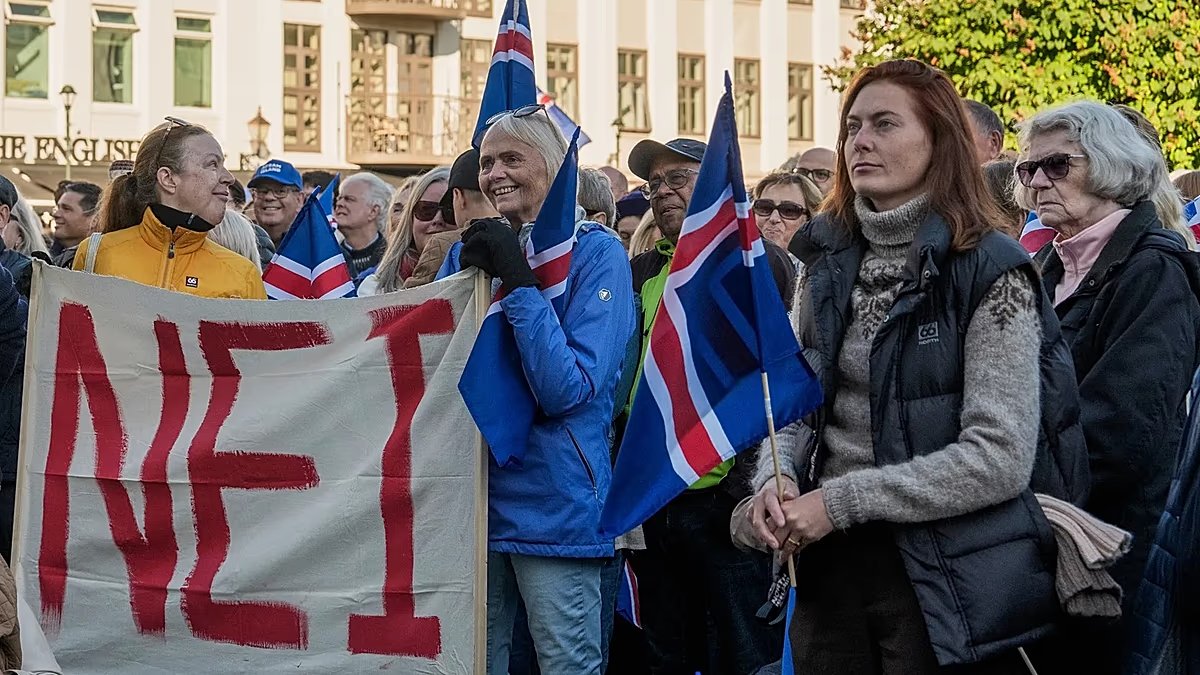
REYKJAVÍK – Iceland has narrowly voted against restarting negotiations to join the European Union, settling a contentious debate that has simmered in the Nordic nation for over a decade.
Official results confirmed on Sunday morning showed that 52.8% of voters cast their ballots against resuming the talks, while 47.2% favored a return to the negotiating table. The referendum saw a robust turnout of 82.5%, reflecting the high stakes the issue holds for the island nation’s 400,000 residents.
The result effectively shelves the prospect of EU membership for at least two years, providing a definitive, if temporary, conclusion to a political campaign that highlighted deep divisions between urban centers and rural districts.
A Tale of Two Icelands
The night began with a surge of optimism for pro-EU campaigners. Initial tallies from the capital, Reykjavík, showed strong support for the “Yes” camp, with Reykjavík North reporting 57.5% in favor.
However, the political map shifted dramatically as results arrived from the country’s coastal and agricultural regions. In areas heavily reliant on the fishing industry—where skepticism toward EU quota regulations has remained entrenched for years—the “No” vote surged, with some districts delivering majorities exceeding 65%.
The decisive moment arrived when the Southwest constituency, the second-largest in the nation, reported its final tally of 53% against accession. This result solidified the trend, pushing the national count permanently into the “No” column and capping a tense, closely watched electoral process.
Historical Context and Political Fallout
Iceland first applied for EU membership in 2009, driven by an economic crisis that pushed the nation to the brink of collapse. Those ambitions were frozen in 2013 when a euroskeptic coalition government took office and effectively stalled the process.
Prime Minister Kristrún Frostadóttir, who led the current Social Democratic-led government, had revived the question this year. Her administration argued that the increasingly volatile global geopolitical climate made it imperative to test the public appetite for closer integration with Europe.
While the referendum carries no binding legal force, the government had pledged to respect the will of the voters. Following the announcement, Prime Minister Frostadóttir, Foreign Minister Þorgerður Katrín Gunnarsdóttir, and Education Minister Inga Sæland scheduled a joint press conference to address the nation and discuss the path forward.
No Fundamental Change to Current Ties
Despite the rejection of formal accession, Iceland’s day-to-day relationship with the European Union remains unchanged. The country remains a committed member of the European Economic Area (EEA) and the Schengen passport-free zone. These existing frameworks ensure that Iceland maintains deep economic and mobility ties with the bloc, providing the benefits of market access without the political integration required by full membership.
As the political dust settles, the government now faces the challenge of addressing the clear regional disparities that defined the vote. For now, however, Iceland’s vote against further EU accession talks marks a significant moment of introspection for a nation striving to balance its sovereign identity with the realities of a shifting global landscape.