








Delhi Gears Up for BWF World Championships with Innovative Pest Control and Revamped Infrastructure
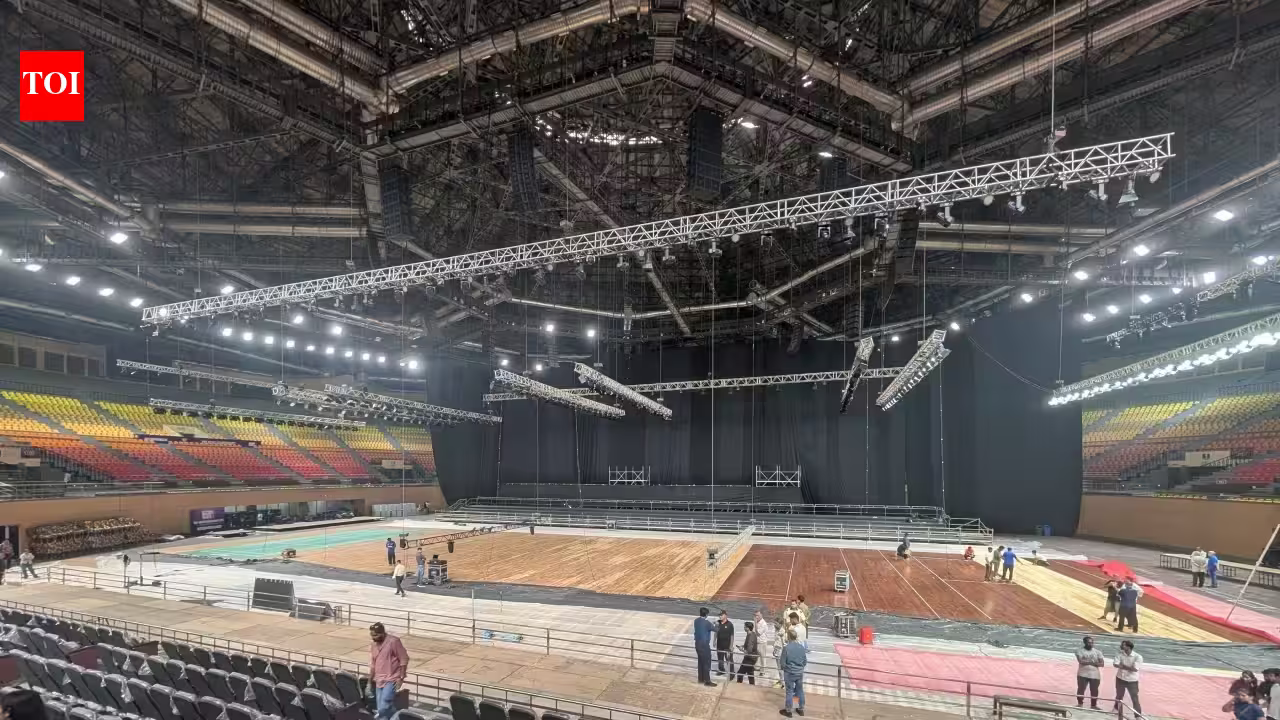
New Delhi: The Indira Gandhi Indoor Stadium, a prominent sports arena in the heart of New Delhi, has undergone a significant transformation in anticipation of the BWF World Championships. Returning to India after a 17-year hiatus, the prestigious badminton tournament, commencing August 17, aims to host the world’s elite players, administrators, fans, and VIPs in an environment free from past disruptions.
A primary objective of this extensive overhaul is to prevent a recurrence of the logistical challenges faced during the India Open earlier this year, particularly issues concerning pigeons and monkeys. During the January event, play was notably halted in a match between HS Prannoy and Loh Kean Yew due to pigeon interference. Furthermore, Denmark’s Mia Blichfeldt vocally criticized the hygiene standards of the practice and warm-up facilities, citing dirty areas and bird droppings near the training courts.
While the Badminton Association of India (BAI) initially refuted these claims, collaborative efforts involving BAI, the Sports Authority of India (SAI), and the Sports Ministry are ensuring no stone is left unturned to guarantee a seamless and pristine environment for the upcoming championships.
In a strategic move to deter monkeys, traditional wooden doors have been replaced with a sophisticated double-door entry system at the four-court premises and the training facilities at the KD Jadhav Stadium. Simultaneously, vents have been meticulously sealed to prevent pigeons from entering the venue. Adding to these physical barriers, six advanced plug-and-play machines, imported from the US, have been installed. These devices are designed to emit noises mimicking predatory birds, serving as an auditory deterrent. Additionally, roof ducts have been filled with non-toxic gel, providing a slippery surface to discourage birds from perching.
Preparations for the championship commenced as early as February, gaining considerable momentum by May. Hundreds of dedicated workers and contractors from the Central Public Works Department (CPWD) have been working tirelessly for weeks to ensure the successful execution of the tournament.
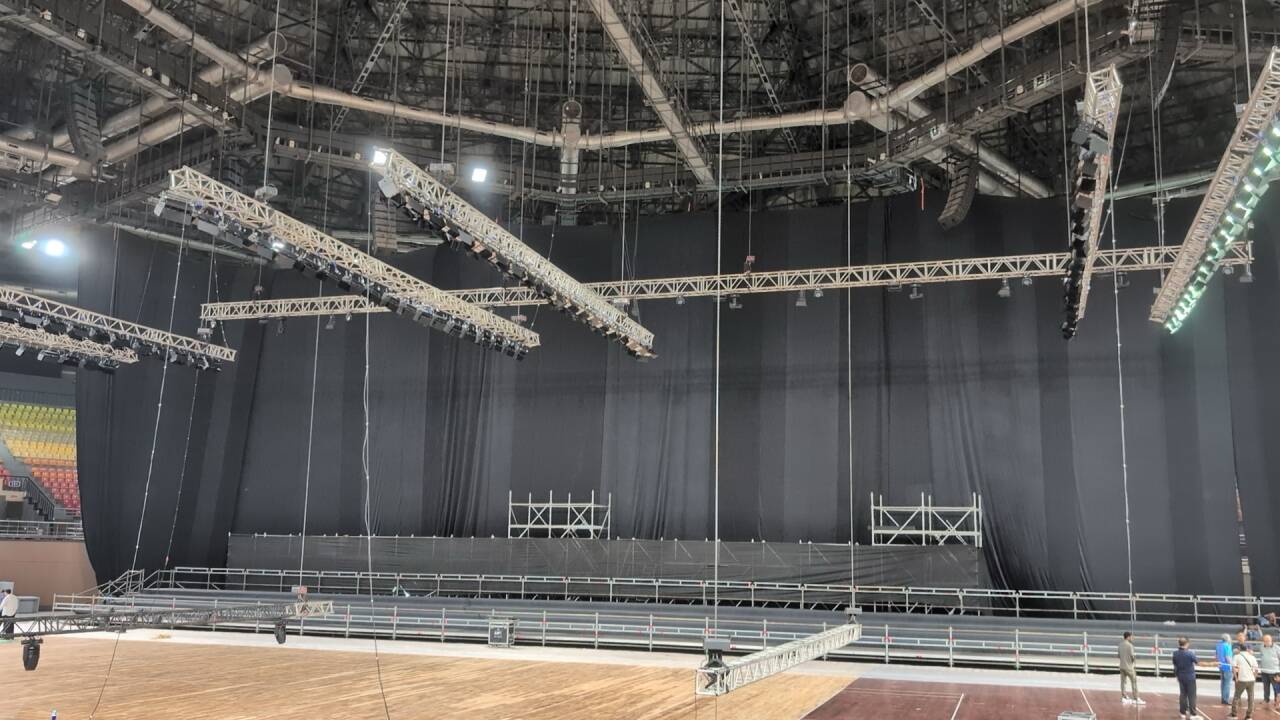
Machines from the US have been brought in to tackle pigeons during the BWF World Championships in New Delhi. (Image: TimesofIndia.com)
“The order for the pigeon gel went out in April, and it was imported only recently; it arrives in 10 days. It is a plug-and-play machine and can be imported from one stadium to another,” a source tracking developments told TimesofIndia.com. The source further elaborated, “The only hiccup is that it can’t be used at one place for a long period. The pigeons get accustomed to it and understand that this is not natural. But in the last 15-20 days of tests, it has worked well.” The castor oil-based gel, installed on the roof’s surface at the Indira Gandhi Indoor Stadium, is designed to cause birds to slip, thereby keeping them away from the arena.
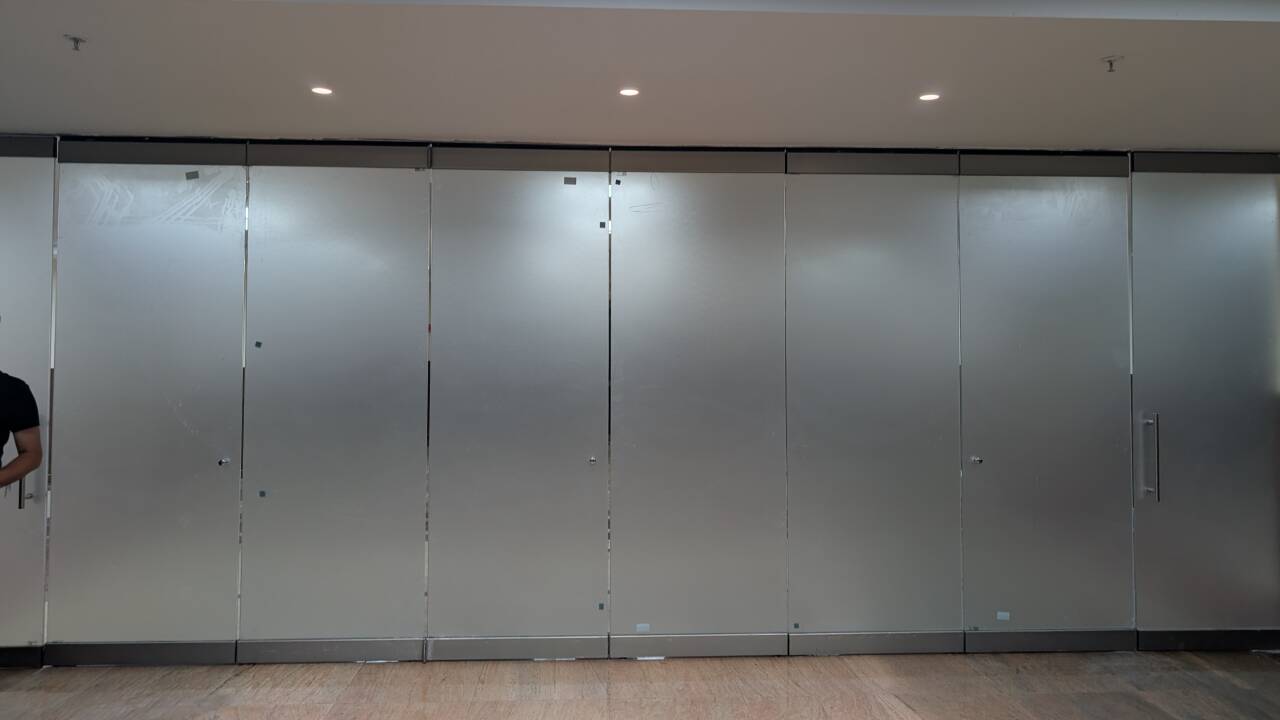
Glass doors have been installed at the Indira Gandhi Indoor Stadium in New Delhi as part of the infrastructural overhaul. (Image: TimesofIndia.com)
Monkeys have historically posed another significant challenge for organizers. During the India Open, a full-grown rhesus macaque was spotted roaming the upper tiers of the stands. To combat this, a comprehensive ₹20 crore revamp includes fitting 16 entrances with new glass doors and an automatic double-entry system.
In a unique and rather traditional approach, if technological solutions fall short, a four-member team led by Delhi-native Jabbar has been enlisted. Born into a lineage of “professional monkey whisperers,” Jabbar and his team are tasked with making noises similar to those of a langur, a natural predator of macaques, to deter any encroaching monkeys. Earning ₹25,000 a month, Jabbar expresses confidence in his and his team’s vocal prowess to effectively manage any simian intrusions, ensuring the BWF World Championships proceeds without a hitch.