








India Unveils Landmark Nuclear Modernization: SHANTI Bill Opens Door to Private Investment and Ambitious Energy Goals
New Delhi, India – India’s Department of Atomic Energy (DAE) has launched a comprehensive public consultation on its draft rules and regulations, marking a pivotal moment in the modernization of the nation’s nuclear legal framework. These regulations stem from the recently enacted Sustainable Harnessing and Advancement of Nuclear Energy for Transforming India (SHANTI) Bill, 2025, a landmark piece of legislation poised to reshape India’s clean energy landscape and facilitate the ambitious target of 100 GWe of nuclear capacity by 2047.
The SHANTI Bill, which completed its legislative journey in December, consolidates various aspects of nuclear development under a single, overarching structure. A key innovation of the new act is the enabling of limited private participation in India’s historically state-controlled nuclear sector, a move that is expected to inject new dynamism and investment into the industry.
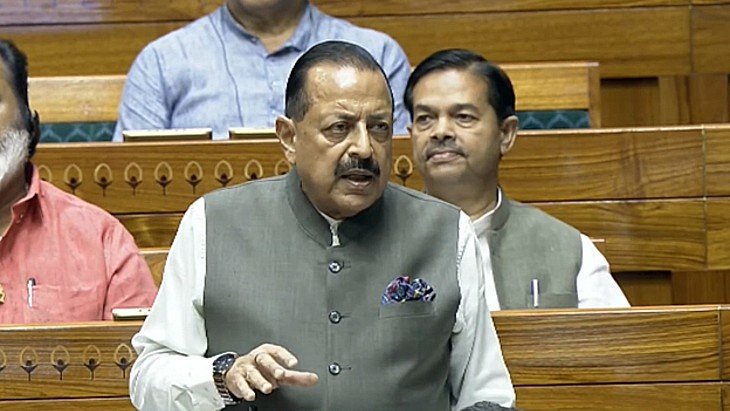
Minister of State Jitendra Singh underscored this shift in a statement to the Lok Sabha on August 12, affirming that the SHANTI Act will "enable a wider participation of both public and private sectors" in India’s nuclear energy endeavors. This progressive step aligns with the nation’s broader clean-energy transition goals and its long-term vision for energy security.
Beyond opening doors to private entities, the SHANTI Act is a comprehensive overhaul of India’s nuclear governance. It repeals two foundational laws – the Atomic Energy Act, 1962, and the Civil Liability for Nuclear Damage Act, 2010 – and in doing so, modernizes and streamlines the regulatory environment. Crucially, the legislation also grants statutory recognition to the Atomic Energy Regulatory Board (AERB), India’s nuclear regulator, bolstering its independence and authority.
The newly proposed rules and regulations outline a streamlined licensing process, introducing a "single composite licence" for the "building, owning, operating, decommissioning" of nuclear power reactors. This definition of "nuclear reactor" is forward-looking, encompassing "deuterium-tritium reaction based fusion reactors" alongside traditional nuclear fission-based reactors, signaling India’s commitment to exploring advanced nuclear technologies.
Furthermore, the framework details licensing procedures for a wide array of activities, including fuel cycle facilities, uranium and thorium exploration, mining, and processing. It also covers the manufacture of radiation sources, non-power applications, and the intricate processes of foreign and domestic trade and transportation of nuclear fuel, equipment, technology, and radioactive substances.
A significant provision within the draft rules addresses the import of foreign-designed reactors. A license will only be granted for designs that have received certification or approval from the regulatory body in their country of origin. The DAE defines "country of origin" as nations "self-reliant in nuclear reactor design and supply chain ecosystem whose regulatory approvals are trusted globally." Such designs must also be "operational either in country of origin or any other foreign country," ensuring a proven track record. The regulations also stipulate that any imported or domestically acquired technology must not "adversely affect the interest of India, does not constitute an unreasonable risk to public health and safety and is in conformity with the national policies framed under the Act."
To facilitate early-stage project development, the licensing authority can grant in-principle approval for projects where a site or technology has not yet been finalized. This allows applicants to proceed with negotiations with reactor technology vendors and to acquire land and other necessary infrastructure, thereby accelerating project timelines.
The DAE made these crucial documents public on August 14, and interested individuals and organizations have until September 4 to submit their suggestions and feedback. This public consultation period underscores the government’s commitment to a transparent and inclusive process as India embarks on this transformative chapter in its nuclear energy journey. The modernization efforts enshrined in the SHANTI Bill and its accompanying regulations are set to propel India towards its ambitious clean energy targets, securing a sustainable and energy-independent future.