







The Great Energy Irony: How India Became a Vital Gasoline Supplier to Russia
In a striking reversal of global energy trade dynamics, Russia—a nation consistently ranked among the world’s top crude oil producers and exporters—has been forced to turn to one of the world’s largest importers for its fuel needs. As domestic production falters under the weight of geopolitical conflict, Russia has increasingly relied on Indian refiners to bridge a widening gap in its gasoline supply.
The Impact of Infrastructure Strikes
The catalyst for this shift is a sustained campaign of Ukrainian drone strikes on Russian energy infrastructure. According to data from energy analytics firm Vortexa, these repeated attacks have severely crippled domestic refineries, with some reports indicating that domestic fuel production capacity has dropped by as much as 70%.
The resulting domestic shortage has reached such critical levels that Moscow has been forced to import petroleum products, even while maintaining strict limitations on domestic fuel sales. In August alone, Russia’s seaborne gasoline imports surged to approximately 125,000 barrels per day (kbd), totaling nearly 470,000 tonnes for the month. Reports indicate that over the last two months, Indian refiners have supplied Russia with as much as 1 million barrels of gasoline.
The India-Russia Refining Loop
Much of the gasoline being sent to Russia is sourced from the Vadinar refinery in Gujarat, operated by Nayara Energy—a firm that is 50% owned by the Russian oil giant Rosneft.
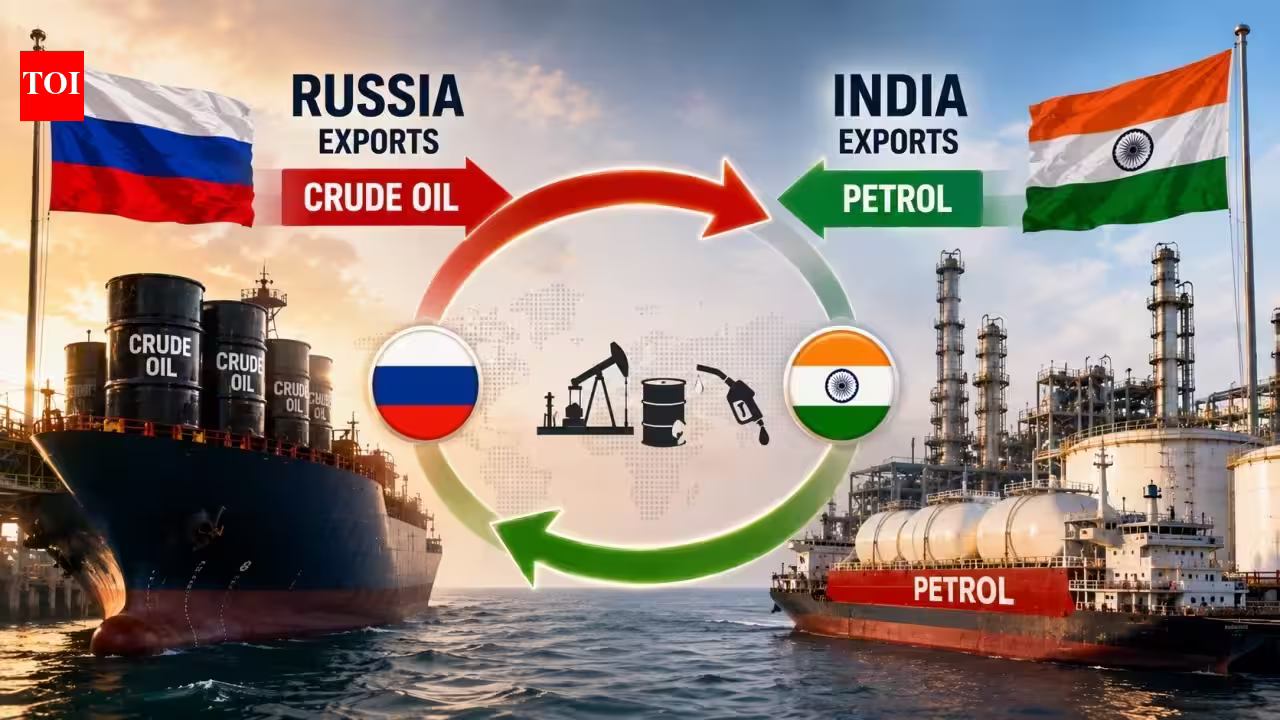
This situation highlights a complex economic feedback loop. Since 2022, India has ramped up its imports of discounted Russian crude to historic levels, peaking at over 2.6 million barrels per day in June and July. By refining this Russian crude and shipping a portion of it back as finished gasoline, India has effectively become an essential link in Russia’s supply chain.
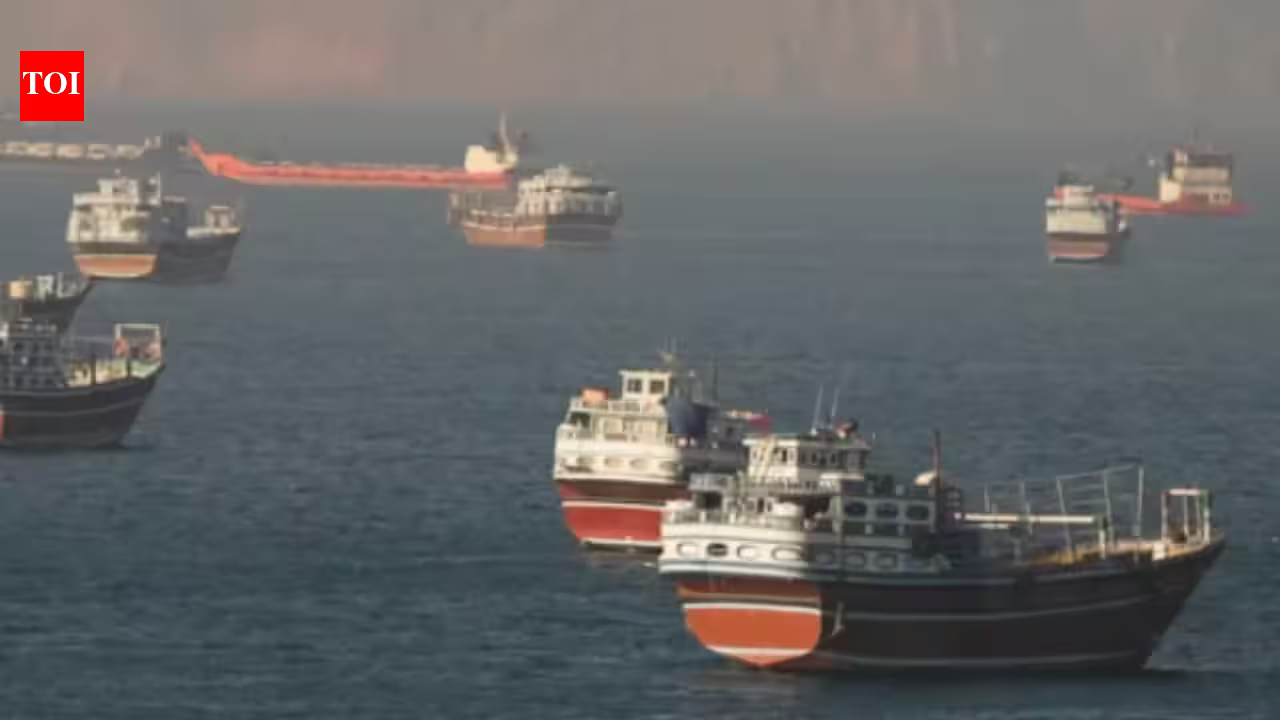
The logistics behind this trade are as shadowy as they are significant. Vortexa reports that all gasoline cargoes originating from India and arriving in Russia in August were transported via sanctioned fleets. Much of this transit involved “dark” ship-to-ship (STS) transfers in the Mediterranean, where vessels frequently disabled their automatic identification system (AIS) signals to avoid detection.
Shadow of Future Sanctions
While this trade helps stabilize Russia’s internal fuel market, it may soon face new international hurdles. A legislative proposal in the United States, the “Lindsey O. Graham Sanctioning Russia and Iran Act of 2026,” looms on the horizon. If passed, the bill would empower the U.S. President to impose tariffs of up to 100% on nations that purchase large quantities of energy from Russia.
Under the proposed framework, the U.S. Trade Representative would identify the five largest importers of Russian energy—a list likely to include China, India, Slovakia, Hungary, and Azerbaijan. While the bill allows for potential exemptions for countries taking active steps to reduce their reliance on Russian energy, it also introduces secondary sanctions targeting the “shadow fleet” of tankers currently facilitating these secretive transfers.
For now, as Indian refiners continue to play a pivotal role in Moscow’s energy security, the situation remains a focal point of global trade, demonstrating how regional conflicts can fundamentally reorder the flow of the world’s most critical commodities.