








UN Watchdog Issues Scathing Report on Human Rights Violations in India
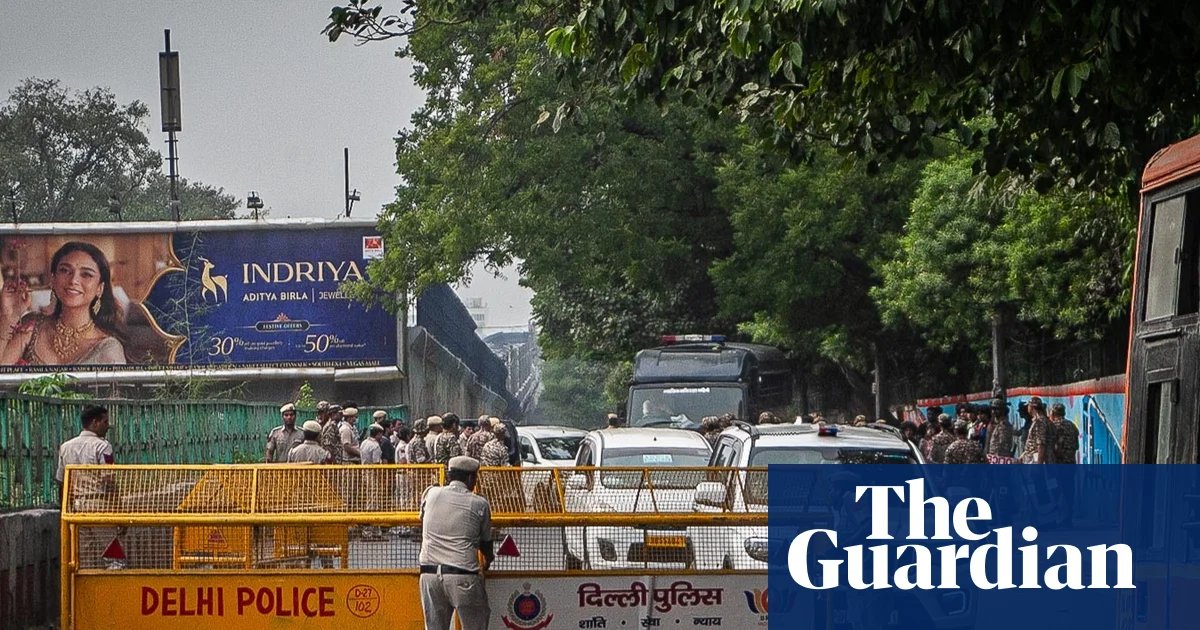
GENEVA – A United Nations committee has issued a stark warning to New Delhi, calling for immediate reforms to address systematic violence, racial profiling, and extrajudicial abuses against the country’s most vulnerable populations.
In a wide-ranging report released on Tuesday, the UN Committee on the Elimination of Racial Discrimination (CERD) expressed “grave concern” over reports of large-scale human rights violations perpetrated by Indian law enforcement. The findings follow the committee’s recent review of the country’s compliance with international human rights standards—the first such assessment of India since 2007.
A Pattern of Systemic Abuse
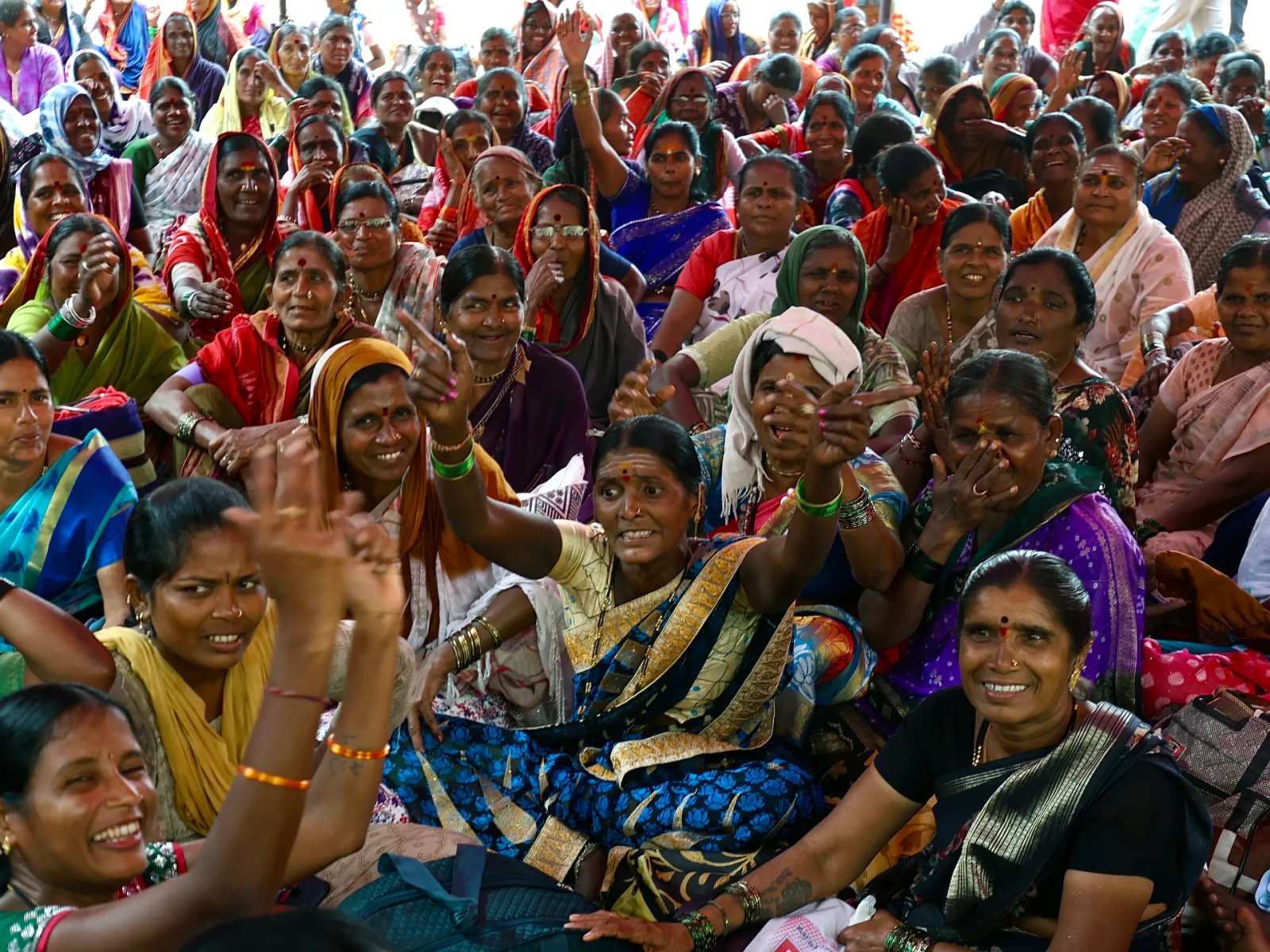
The 18-member panel of independent experts documented a harrowing list of grievances, including excessive use of force, arbitrary and prolonged detention, torture, sexual violence, and extrajudicial killings. According to the committee, these abuses disproportionately target Indigenous and Tribal Peoples, marginalized castes—specifically Dalits—and non-citizen populations.
The report highlights that India’s deep-rooted caste system continues to serve as a primary determinant of social status, restricting access to essential resources, education, and economic opportunities for millions.
Focus on Hate Crimes and Profiling
Beyond issues of caste-based violence, the CERD emphasized an urgent need for the Indian government to confront the rise in hate crimes targeting Bengali-speaking Muslims. The committee also pointed to an alarming trend of racial profiling, noting that law enforcement operations have increasingly targeted Rohingya refugees, migrants, and asylum seekers.
“Police stops and identity checks involving racial profiling have reportedly led to arbitrary arrest and detention without due process, as well as torture and mistreatment,” the committee stated. Furthermore, the UN body cautioned against the ongoing practice of deporting individuals who require international protection, urging the Indian government to refrain from collective expulsions.
India’s Response
During the review process earlier this month, the Indian delegation was led by Solicitor General Tushar Mehta. In a formal statement issued following the committee’s findings, India’s mission defended its record, emphasizing the nation’s “pluralism, diversity, scale and complexity.” The mission highlighted the country’s existing “constitutional and legal framework and safeguards” designed to ensure equality, dignity, and opportunity for all citizens.
The Weight of International Scrutiny
While the opinions and recommendations set forth by the CERD are non-binding, they carry significant international reputational weight. As a signatory to the Convention on the Elimination of All Forms of Racial Discrimination, India is obligated to eradicate segregation and ensure equality before the law for all individuals.
The committee’s findings have brought renewed attention to the country’s human rights landscape, with the UN calling for transparent, independent investigations into all claims of abuse to ensure that those responsible for violence are brought to justice.
For more details on the proceedings, you can view the full report on the recent human rights review.